As Trinidad and Tobago’s recently concluded state of emergency (SoE) moves into the rearview mirror, senior political and academic figures are sounding alarms over two major unresolved issues: potential hundreds of millions in state liability for unlawful detentions, and systemic human rights risks stemming from the government’s use of preventive detention orders (PDOs).
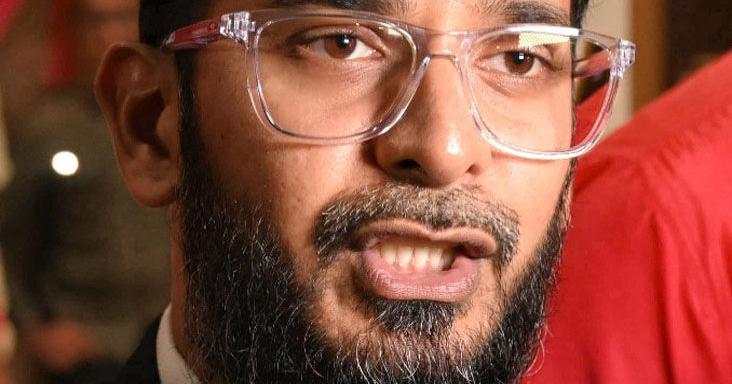
People’s National Movement (PNM) Senator Sanjiv Boodhu is the latest to flag the long-term fiscal danger of the emergency measures, which ended Tuesday. In a telephone interview marking the end of the SoE, Boodhu laid out a clear warning: hundreds of individuals detained without criminal charges under PDOs are poised to file compensation claims against the state, a financial burden that will not fall on the current administration alone, but on future governments and coming generations.
“ You cannot detain 600 people under these orders, release them without any charges, and expect them to walk away without seeking damages for violated rights,” Boodhu argued. He drew direct parallels to the 2011 state of emergency, when the PNM inherited pending litigation after taking office and ultimately paid out millions of dollars in compensation to wrongfully detained individuals. Boodhu stressed that history is set to repeat itself without proactive accountability from the current government.
Beyond fiscal risk, Boodhu is calling for full independent auditing of the government’s official data on PDO detentions. Currently, public numbers fail to distinguish between detainees who were issued PDOs before criminal charges were filed, and those who were already facing charges when the preventive orders were implemented. He said the public deserves clear, verified data on how many detainees still have active court cases pending against them, a level of transparency the current administration has not provided. Boodhu also questioned the government’s claims that the SoE successfully reduced crime, calling for the release of granular, community-level crime statistics so citizens can independently evaluate whether the emergency measures delivered tangible public safety benefits. The debate comes as the government weighs advancing the Special Operations Bill (SOB), legislation that would create new targeted security powers for communities grappling with violent crime.
Joining the criticism, leading criminologist Dr. Randy Seepersad has raised fundamental human rights alarms over the confirmed detention numbers. Official data shows 574 people were detained under active PDOs during the SoE, with only 240 facing criminal charges and 334 released without ever being formally accused of a crime. Speaking during an appearance on CCN TV6’s *Morning Edition* on the day the SoE expired, Seepersad said the large share of uncharged detentions cannot be reconciled with basic human rights protections.
“If people are held in lengthy detention without ever being charged, that is a clear signal that the state did not have sufficient evidence to justify depriving them of their freedom in the first place,” Seepersad explained. He went on to outline the long-term, life-altering harm of unnecessary detention, especially for low-income workers who are primary caregivers for their families. Many detainees will lose their jobs as a result of their time in custody, he noted, pushing them deeper into social and economic disadvantage that extends far past their release.
“Deprivation of liberty changes a person’s life in permanent, fundamental ways. Any time the state chooses to exercise these extreme emergency powers, we have to ask what safeguards are in place to prevent abuse,” Seepersad said. He proposed mandatory judicial review as a critical check on preventive detention powers, noting that while the process can cause procedural delays, it sets a high legal bar that forces the state to justify detentions before a neutral third party. That standard protects innocent people from arbitrary deprivation of freedom, he argued.
Seepersad did offer a measured take on the proposed Special Operations Bill, noting that draft legislation includes core judicial safeguards, including independent oversight of security actions, and provisions for targeted social interventions that address the root causes of crime. He backed that approach, saying any long-term crime reduction strategy must invest in wrap-around support including psychologists, social workers, and educators, particularly for vulnerable young people at risk of gang involvement. He also confirmed that his independent analysis of crime data does show an overall drop in both serious and non-serious offending during the duration of the SoE, a rare point of agreement with the government’s public assessment.