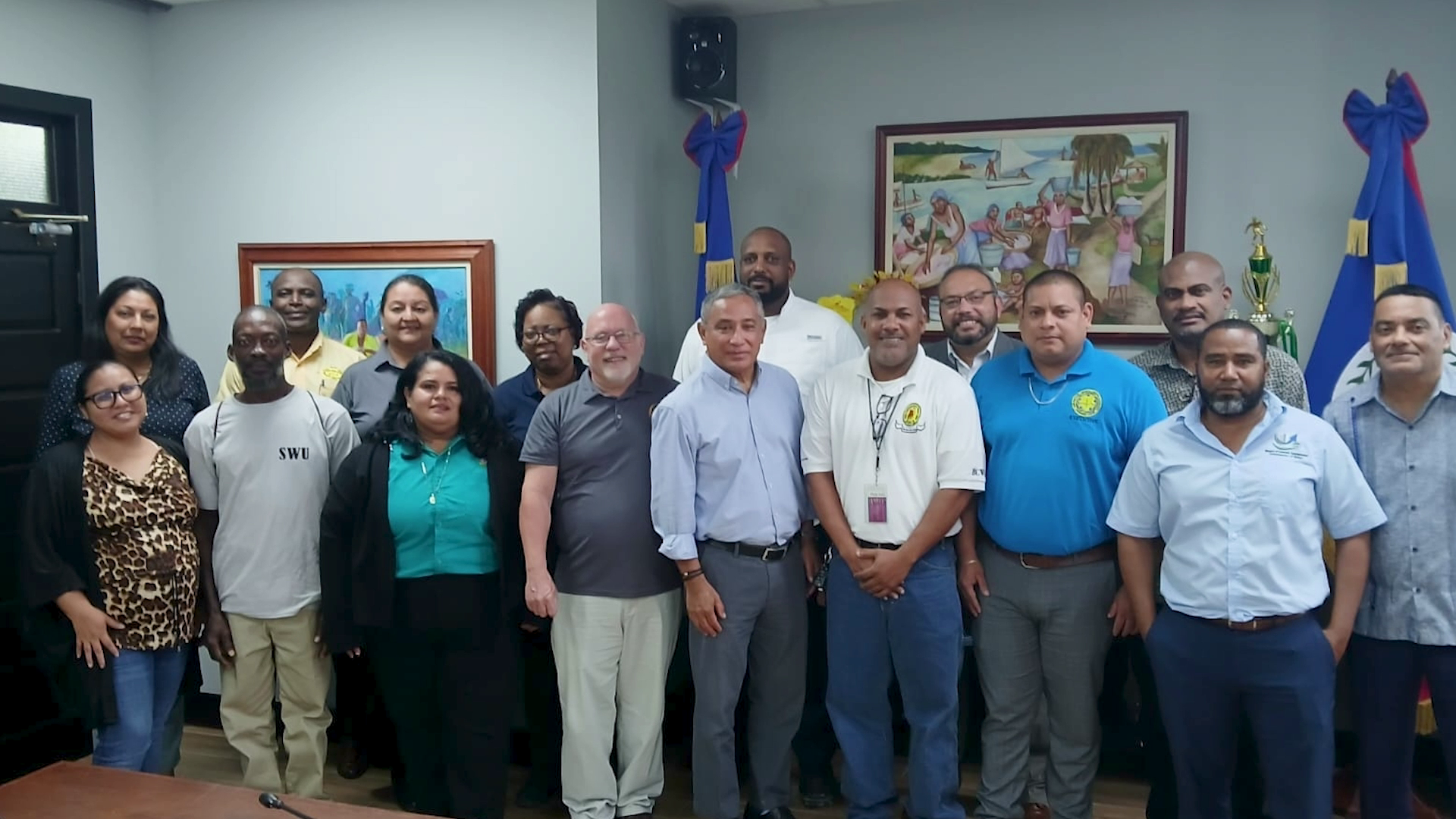
For more than three years, healthcare workers at Belize’s Karl Heusner Memorial Hospital (KHMH) have waited for tangible progress on a contract that would deliver better pay, improved working conditions, and long-overdue worker protections. What was initially projected to be a six-month negotiation process has dragged on for 42 months, leaving core demands for salary increases, new allowances, and upgraded workplace policies unmet. Now, a new union leadership team is steering the conversation, and early signs suggest a breakthrough may finally be within reach.
The situation marks a pivotal moment for KHMH’s staff, who have only held formal union recognition for seven years. In the 31-year history of the country’s flagship public hospital, no collective bargaining agreement (CBA) has ever been finalized between workers and management. For current union leadership, securing this first-of-its-kind agreement is far more than a procedural win—it is a commitment to delivering tangible improvements to frontline staff who provide critical care to patients across Belize.
Roy Briceño, who took office as president of the Karl Heusner Memorial Hospital Workers’ Union (KHMHAWU) in October 2025, laid out the new negotiating team’s approach in an on-camera interview for local evening news. Briceño explained that since taking leadership, he, his executive board, and the union’s legal team have conducted multiple thorough reviews of the draft framework left by the previous union administration, refining priorities before re-engaging with hospital management. “Right now we have met with management and sat over in making agreements and adjustment to what is the framework to set the presidency of how we will go along with, in terms of addressing the table discussion about the CBA,” Briceño said. “But I must say, management have been very receptive, very positive about it. Us union have been very optimistic, working hard and making sure that everything is in there when it comes in respect for the betterment for our workers here at KHMH.”
When asked to outline the union’s core non-negotiable demands, Briceño made clear that frontline workers’ unique job risks are a top priority. The union is pushing for formal hazardous duty allowances to compensate staff for the inherent risks of their daily work in a major public hospital, as well as travel allowances for workers who commute to the facility. Beyond financial adjustments, the union is also negotiating for more sustainable working schedules and broader upgrades to workplace conditions, alongside a meaningful salary increase to recognize the demanding work of KHMH’s care team.
After years of broken promises and repeated stalled talks, both workers and union leadership are cautiously optimistic that the new negotiation dynamic will deliver results. With management showing unprecedented openness to the union’s priorities, the hospital’s staff are now waiting to see if this new chapter of talks will finally end their multi-year wait for a landmark collective bargaining agreement that delivers on their most pressing needs.