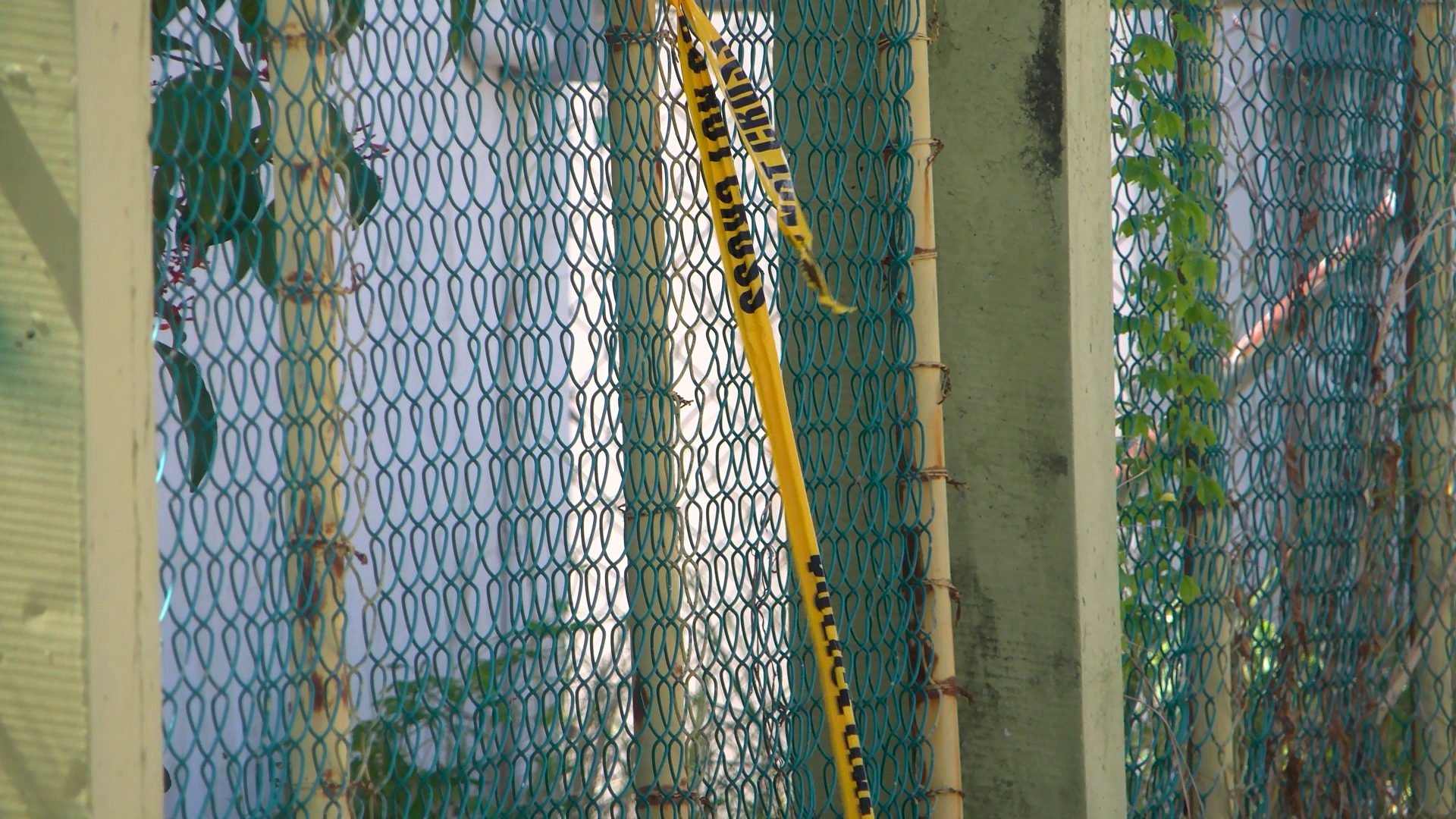
As Belize prepared to mark its 45th year of independence in September 2026, a wave of unanticipated deadly gun violence swept across the nation, replacing the usual atmosphere of national celebration with widespread fear and grief.
The string of attacks began on Sunday, when 62-year-old Jose “Bones” Sosa Sr. was gunned down while relaxing outside his home in the northern district of Orange Walk. His family has shared that while Sosa had previous encounters with law enforcement earlier in his life, he had stepped away from that lifestyle in recent years, choosing to keep to himself, care for his household, and assist neighbors whenever possible. “He wasn’t perfect, but he was trying to change,” his son told reporters. Even so, lingering ties to his past ultimately caught up to him, leaving his loved ones grappling with senseless loss and no confirmed motive from investigating officers.
Just three days later, three more men — Deovan Hall, Anthony Perry Jr. and Dennis Guevara — were killed in separate shooting incidents across the country within a single 24-hour window. Perry’s girlfriend, Allyssa Teul, echoed the shock and confusion shared by all the victims’ families, saying, “No one ever saw this coming. Everyone who knew him knows he was an innocent, loving person.”
By September 18, the streak of violence continued with another shooting of a young man in Belize City, pushing the nation’s annual murder count even higher and marking one of the deadliest weeks Belize has recorded in recent years. As law enforcement teams work to piece together details and motives for each attack, residents across the country are increasingly demanding answers: what is driving this sudden spike in violent crime, and what steps are national authorities taking to curb the bloodshed before more lives are lost?
Local attorney and community advocate Audrey Matura says the current wave of violence is not an isolated crisis, but the result of deep-rooted systemic issues that have festered for years. She argues that unequal distribution of national resources has locked generations of Belizeans in cycles of poverty, creating conditions that leave young people disproportionately vulnerable to recruitment into criminal activity. While not all people living in poverty turn to crime, Matura notes that systemic underinvestment has stripped marginalized communities of critical public resources that would prevent crime in the first place: quality public education, expanded social services, accessible affordable healthcare, and stable, well-paying employment opportunities.
“When resources are diverted away from the communities that need them most, we rob young people of the chance to build stable, legal lives for themselves,” Matura explained. “If we want to truly reduce crime, we have to start empowering people from childhood, not just respond to violence after it happens.” She emphasized that increased police patrols and harsher sentencing alone cannot solve the crisis — long-term, targeted investment in vulnerable communities is the only sustainable path to ending the cycle of violence that is tearing Belizean communities apart.
This report comes as Belize prepares to mark its independence anniversary under a cloud of grief and uncertainty, with communities across the country mourning the lives cut short by the recent surge in attacks.