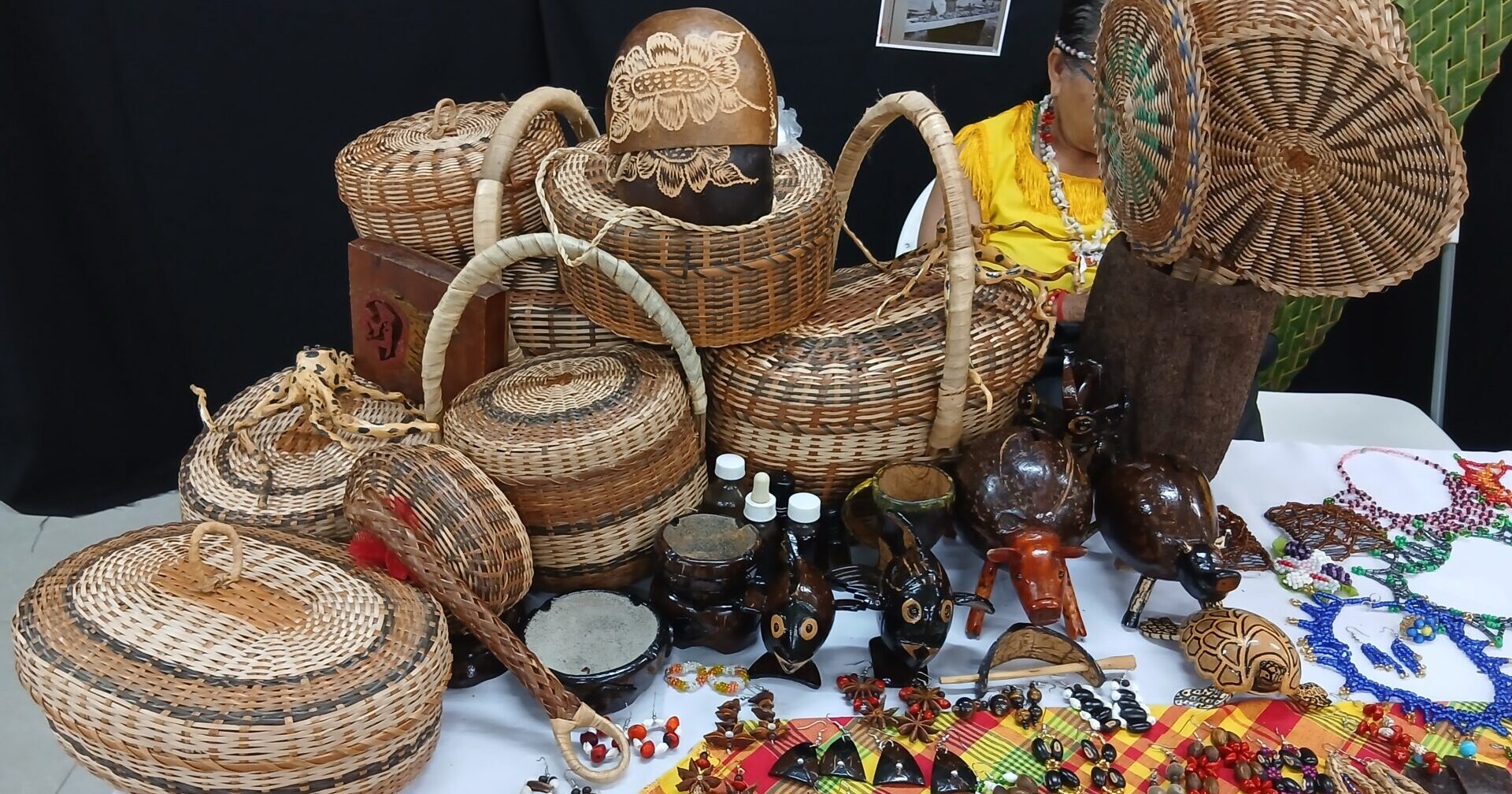
A vivid celebration of centuries-old indigenous creativity touched down in Dominica’s capital Roseau this week, as Kalinago artisans gathered for a two-day showcase of traditional handcrafts hosted at Prevo Cinemall. Held September 17–18, 2026, the exhibition is a collaborative effort between Prevo Cinemall, the Kalinago Council, and independent craftspeople and vendors based in the Kalinago Territory. The core mission of the initiative is to create a accessible, local platform for Kalinago makers to elevate their work, connect with domestic shoppers, and boost sales of their authentic handmade goods within Dominica.
This cultural showcase forms a key closing event for Kalinago Week 2026, a 9-day celebration running from September 11 to 19 anchored by the theme “Honouring Our Past. Celebrating Our Culture. Building Our Future.” The annual observance brings focus to the unique identity, history, and ongoing contributions of the Kalinago people, the indigenous community that has inhabited Dominica for generations.
Attendees who turned out for the exhibition were treated to a diverse array of handcrafted goods, each piece reflecting centuries of Kalinago tradition, specialized skill, and irreplaceable cultural heritage. Artisans displayed a wide range of creations, from handwoven bags and straw hats to intricately designed necklaces, each work demonstrating the meticulous craftsmanship and intergenerational indigenous knowledge that has been preserved and passed down through Kalinago communities for hundreds of years.
In addition to showcasing emerging and established makers, the exhibition also paid special tribute to the decades-long contributions of one of the Kalinago Territory’s most revered creative voices. Veteran Kalinago artist Faustulus Frederick was honored with the Prevo Cinemall Cultural Heritage Award in recognition of his lifelong work advancing Kalinago art, documenting indigenous history, and preserving both Kalinago culture and the broader national heritage of Dominica. Frederick brings a unique historical context to his work: he previously served as Kalinago Chief from 1975 to 1978, a tenure that overlapped with Dominica’s critical transition to full national independence.
Organizers emphasized that beyond driving sales for local artisans, the exhibition fills a larger cultural role: it brings much-needed public attention to the quality and cultural significance of Kalinago-made arts and crafts, while fostering direct connections between makers and local consumers who want to support indigenous cultural preservation through their purchases.