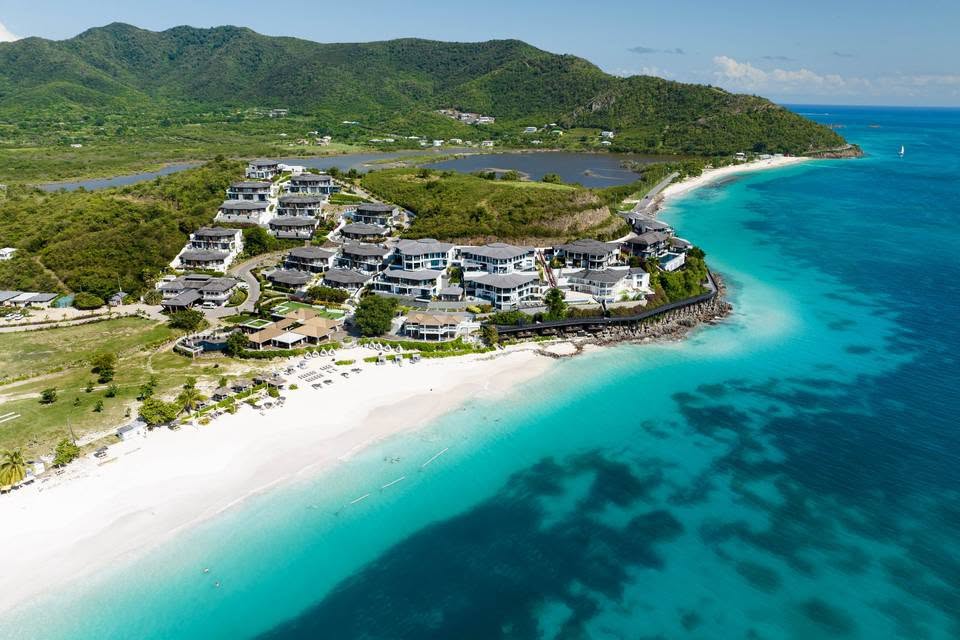
As one of the world’s most tourism-dependent small island nations, Antigua and Barbuda is taking a proactive, data-driven step to balance industry expansion with environmental and cultural preservation. The country’s Ministry of Tourism, Civil Aviation, Transportation and Investment has launched an ambitious new planning initiative designed to ensure that the sector’s future development remains sustainable, inclusive, and aligned with the Caribbean nation’s long-term national priorities.
At the core of this forward-looking agenda is a comprehensive national tourism carrying-capacity study, a first-of-its-kind assessment for the destination that will quantify the maximum level of tourism activity the islands can support without eroding the core assets that draw millions of visitors each year. Unlike traditional growth metrics that focus solely on increasing visitor numbers, this study centers protection of the natural ecosystems, cultural heritage, and local communities that form the irreplaceable foundation of Antigua and Barbuda’s tourism brand.
The assessment will generate critical empirical data to guide all future tourism planning and development decisions, at a time when the country is seeing consistent expansion across key sector areas: rising air passenger volumes, growing cruise ship calls, expanding hotel room inventory, and rising foreign and domestic investment in tourism infrastructure. Beyond just measuring visitor volume limits, the study will also evaluate the current capacity of core public infrastructure, the ability of local communities to absorb growth without disrupting quality of life, and the carrying capacity of fragile natural resources ranging from coral reefs to coastal beaches. It will also analyze how much economic value from tourism expansion is retained locally, to ensure host communities see tangible benefits from growth.
Minister Charles Fernandez emphasized that sustainable tourism growth cannot be measured by annual visitor arrival counts alone. “Our beaches, our coral reefs, our unspoiled coastlines, our rich cultural heritage, and our vibrant communities are not just amenities — they are the very reason visitors choose Antigua and Barbuda over hundreds of other destinations,” he noted. “Protecting these assets is non-negotiable if we want our tourism industry to thrive for decades to come.”
Fernandez added that the study is a key part of long-term strategic planning that looks out 10, 20, and even 30 years, with intentional consideration of how development will impact infrastructure needs, air connectivity, future investment opportunities, product diversification, climate resilience, and environmental protection. The minister reaffirmed that tourism will remain a top national priority for Antigua and Barbuda, as it continues to be the single largest driver of GDP, employment, and national development. But he stressed that all future growth must be rooted in evidence-based policy, empirical data, and intentional strategic planning, rather than unfettered expansion.
Moving forward, the Ministry will continue to strengthen its policy and planning frameworks to support balanced sustainable growth, with the explicit goal of safeguarding the natural and cultural resources that will underpin the industry and deliver shared prosperity for current and future generations of Antiguans and Barbudans.