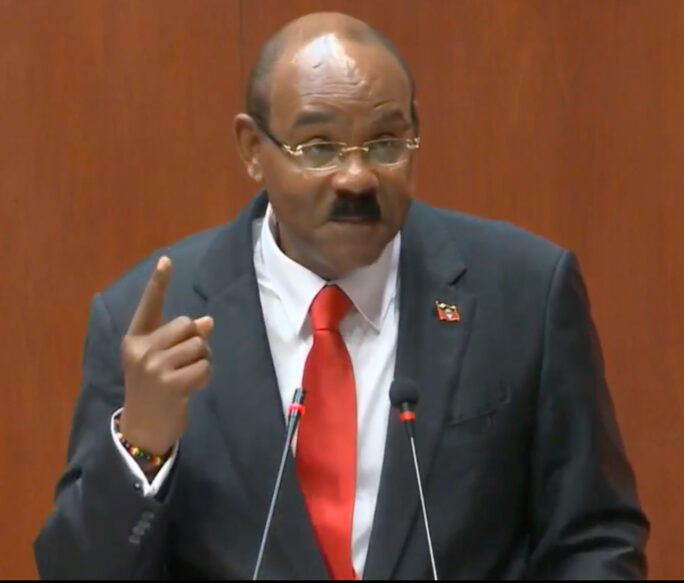
A fiery public exchange has erupted over a radical criminal justice proposal in Antigua and Barbuda, with Prime Minister Gaston Browne doubling down on his call for legal chemical castration as an optional sentencing option for repeat child sexual offenders, while launching a scathing rebuke of his outspoken critic, attorney Edwin.
Browne hit back hard after Edwin labeled his proposal as irresponsible, attacking the prime minister in personal terms. In a forceful response, Browne rejected the characterization of his plan as a political gimmick, emphasizing that it was born out of a growing public anger over persistent soft sentencing for heinous crimes against children.
The prime minister pointed to a longstanding gap between law and practice in the Caribbean nation: while Antigua and Barbuda currently carries a maximum sentence of life imprisonment for statutory rape, lenient sentencing norms in the country’s courts have resulted in repeat offenders walking free after serving just two or three years behind bars for repeated rapes of underage girls. He argued that such disproportionately short punishments fail to deliver any meaningful justice to the young victims who have endured traumatic, repeated abuse.
Turning his criticism directly to Edwin, Browne accused the defense attorney of prioritizing his own professional income and client protection over the rights and well-being of violated children. He claimed that attorneys who represent these perpetrators often lack any empathy for the young survivors who face lifelong harm from sexual exploitation, stressing that criminal offenders are not the only group entitled to legal protections. Short multi-year sentences for repeated child rape can never amount to justice, Browne insisted.
Compared to harsher alternatives such as the death penalty or 30-year prison terms that critics have referenced, Browne framed court-supervised, legally grounded chemical castration as a pragmatic, viable alternative sentencing option that would address the failure of current sentencing practices.
With general elections scheduled to take place in Antigua in 2031, Browne made clear he would not backtrack on his statement. He called on Edwin to end personal attacks, show respect for differing views, and confront the systemic failure that enables lenient sentencing for child sex offenders. Closing his response, Browne challenged Edwin: while the prime minister says he is fighting to secure justice for vulnerable young people targeted by abuse, the attorney is only fighting to protect his own income stream that comes from defending convicted criminals. Browne repeatedly pressed Edwin to answer where his empathy is for the girls and boys who have endured repeated violation at the hands of pedophiles.