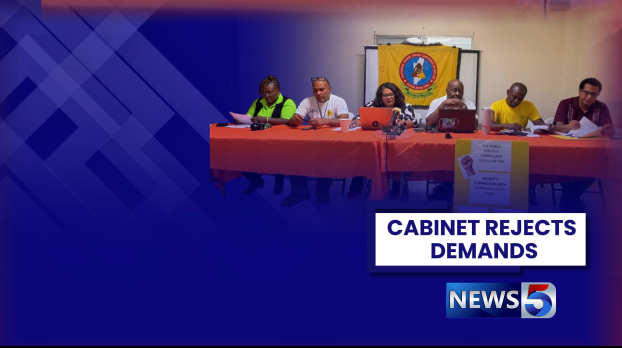
On September 16, 2026, Belize’s Cabinet issued a formal response to a slate of demands put forward by the nation’s labor unions, drawing a clear line against core proposals while offering targeted compromises and committing to sustained ongoing dialogue between the government and organized labor.
Three of the unions’ most high-profile demands targeted leadership and governance at the country’s major telecommunications provider BTL and the national Public Utilities Commission: unions called for the removal of BTL’s chairman and all government-appointed directors, a full restructuring of BTL’s board of directors, and a complete overhaul of the Public Utilities Commission. In its official response, the Cabinet flatly rejected all three demands. Government officials justified the rejection by noting that existing national legislation does not support the actions unions have called for, and added that current leadership at BTL has overseen satisfactory financial results that merit retaining their positions.
The government also maintained an uncompromising stance on the proposed Revenue Authority Bill, a key piece of fiscal reform legislation. Cabinet officials warned that pulling the bill from the legislative process would derail Belize’s broader economic and governance reform agenda, and could ultimately damage the country’s international credit outlook.
Despite the rejection of several core demands, the Cabinet signaled it remains open to collaboration and negotiation with labor groups across a range of issues. The government has offered to partner with unions during the implementation of upcoming policy transitions, and committed to holding quarterly formal meetings with national labor leaders.
Additional areas open for continued discussion include revised frameworks for teacher workloads, increased investment in classroom resources across the country’s education system, and expanded institutional and financial support for the University of Belize. Beyond labor-specific issues, the government also pledged to advance work on a slate of long-stalled governance priorities: new protections for whistleblowers, formal campaign finance regulation, national civil asset recovery initiatives, and the process of filling the currently vacant national Ombudsman post.
This response leaves Belize at a negotiating crossroads: while several of the unions’ most significant demands have been turned away, the government has emphasized that channels for dialogue remain open, setting the stage for future engagement between organized labor and national leaders.