Grenada has etched its name into the history of regional climate action, becoming the first member of the Organisation of Eastern Caribbean States (OECS) to host a specialized capacity-building initiative under the bloc’s landmark Climate Finance Action Platform (CFAP). The event marks a watershed moment for collective regional efforts to expand access to climate, nature and sustainable finance, turning national and regional climate commitments into investment-ready projects that boost community resilience, advance low-carbon development and deliver tangible economic and social benefits across all OECS member states.
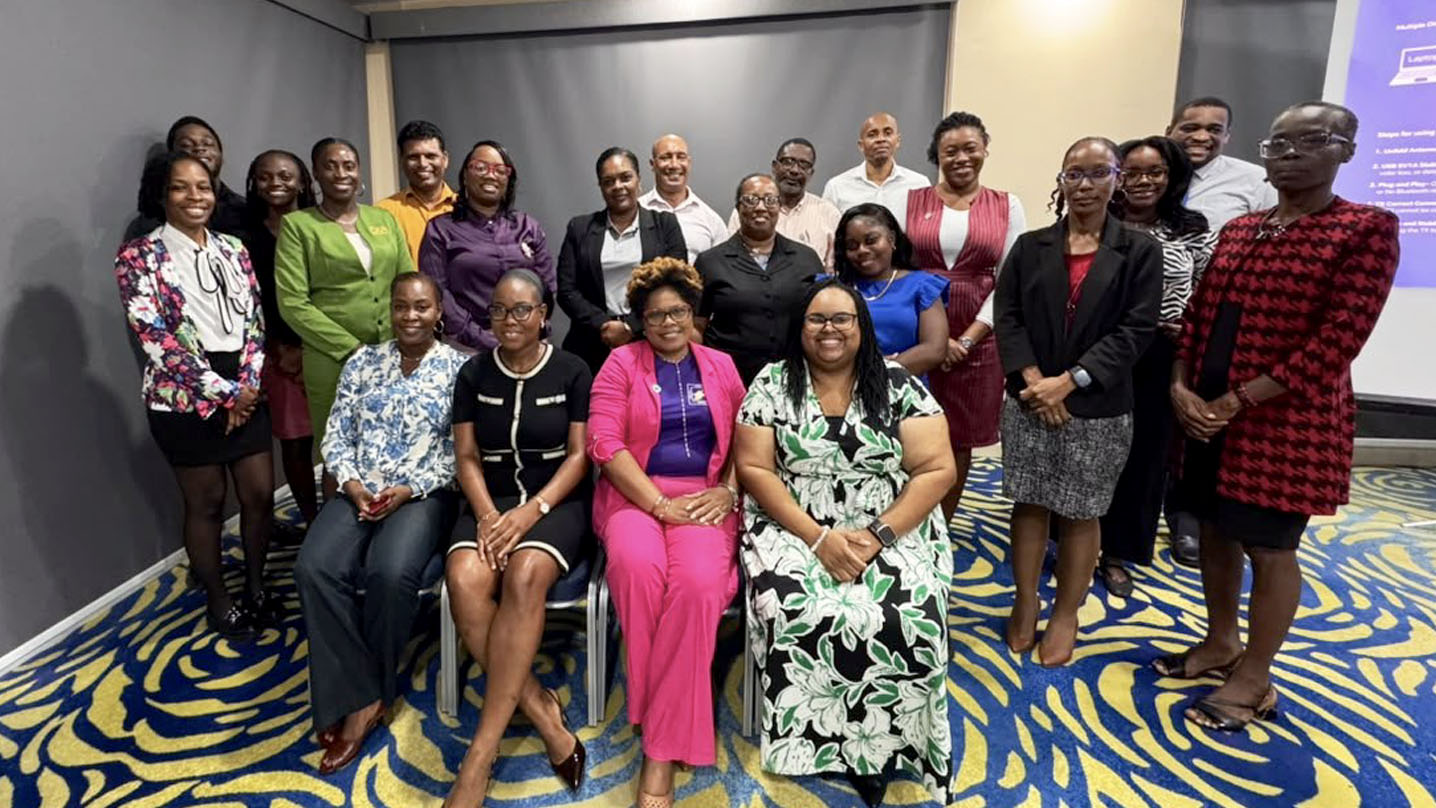
Titled *Strengthening Grenada’s Capacity to Access, Mobilise and Deploy Climate Finance*, the full-day session was held on September 10, 2026 at the Radisson Grenada Beach Resort. It drew cross-sectoral participation from senior representatives of key government ministries and agencies, including members of Grenada’s national Climate Change Sectoral Focal Point Network, as well as specialists focused on climate action, public finance, economic planning, public investment and project delivery.
This tailored training forms a core component of a broader CFAP country mission to Grenada, delivered by the OECS Commission with generous financial backing from the European Union through the EUROCLIMA Programme and its Technical Assistance Facility. The EU’s funding has enabled the OECS Commission to launch and operationalize the CFAP, which provides targeted technical support and skills-building to member states looking to strengthen climate finance coordination, improve project preparation, boost investment readiness and scale up resource mobilization.
Speaking at the opening of the session, Titus Antoine, Director of Climate Resilience at Grenada’s Ministry of Climate Resilience, the Environment and Renewable Energy, underscored the urgent need for sustained investment in national capacity to unlock much-needed climate funding. “Strengthening our climate finance capacity is non-negotiable if Grenada is to turn our climate and development priorities into tangible action,” Antoine explained. “This session has deepened our collective understanding of how the global climate finance landscape is evolving, the full range of financing opportunities and instruments now available, and what it takes to develop robust, investment-ready projects. Building this expertise and capacity across government will put Grenada in a far stronger position to mobilize the funding we need to deliver on our climate goals and build a more resilient, sustainable future for all Grenadians.”
The training curriculum was designed to give participants hands-on insight into the changing global climate finance ecosystem, existing funding sources and instruments, and the unique opportunities available to small island developing states (SIDS) like Grenada. A central focus of the session was strengthening the country’s ability to turn broad climate priorities into thoroughly prepared, investment-ready projects that can be matched to the most appropriate funding sources. Participants also engaged in reflective discussions about Grenada’s past experience accessing climate finance, key lessons learned from previous projects, and opportunities to strengthen implementation, impact tracking and future investment pipeline development.
Dr. Sherry Constantine, a senior climate finance expert leading the technical assistance through EUROCLIMA, emphasized the critical importance of strengthening every stage of the process from priority-setting to funding access. “Accessing climate finance is far more than just identifying a fund and submitting an application,” Dr. Constantine noted. “We have to start with our core climate and development priorities, translate those priorities into well-designed investment projects, prepare those projects to meet the rigorous standards that financiers require, and then match them to the funding sources and instruments that fit best. The CFAP exists specifically to help OECS member states strengthen this entire end-to-end pathway from priority to investment.”
The session also introduced participants to the full suite of support services that CFAP will offer to all OECS member states, including a dedicated Project Preparation Facility, a regional Knowledge Hub, ongoing targeted capacity-building initiatives, comprehensive financing-source mapping, climate finance matchmaking between project developers and funders, and investment mobilization support. These services have been intentionally designed to address longstanding barriers that have held back climate action across OECS member states, including fragmented institutional coordination, low overall climate finance readiness, underdeveloped project pipelines, prohibitive project preparation costs, limited private sector engagement, and persistent challenges matching viable investment opportunities with appropriate funding sources.
Shanna Emmanuel, a representative of the OECS Commission leading the CFAP initiative, highlighted the platform’s member-driven governance model. “The CFAP is being developed as a platform owned and led by OECS member states themselves,” Emmanuel explained. “These in-country engagements are absolutely essential to making sure the support we deliver is practical, targeted and responsive to national priorities. Grenada’s trailblazing experience here, and the rich discussions that emerged from this first capacity-building session, will help shape how the platform supports all member states moving forward.”
The Grenada mission is part of a broader rollout of CFAP engagement across all OECS member states, designed to ensure the platform addresses the unique national climate finance priorities and capacity needs of each country. Key takeaways and insights from the Grenada session will be used to develop a customized CFAP Country Support Package for Grenada, covering ongoing capacity building, targeted project preparation support and investment mobilization assistance. As the first country-level capacity-building session held under the CFAP initiative, the Grenada engagement marks a critical milestone in helping OECS member states turn ambitious climate priorities into fully financed, investment-ready projects that deliver on the ground.