Along the sun-drenched coastlines of Florida, one of the most devastating invasive species crises in modern marine history is unfolding. Prized once for their striking striped fins and dramatic appearance in home aquariums, red lionfish have exploded in population across the state’s iconic coral reef systems, leaving a trail of ecological destruction in their wake.
Native to the Indo-Pacific region, lionfish were first spotted off Florida’s Atlantic coast in the 1980s, widely believed to have been introduced when private aquarium owners released unwanted specimens into open water. With no natural predators in the Western Atlantic, their population has grown exponentially: a single female lionfish can produce more than two million eggs per year, allowing the species to spread rapidly from shallow coastal estuaries to deep offshore reefs.
The impact on native marine life has been catastrophic. Lionfish are voracious predators, consuming more than 50 species of small native fish and crustaceans, including juvenile reef fish that play critical roles in maintaining reef health and controlling algae growth. Studies have shown that invasive lionfish can reduce native reef fish populations by up to 80% in heavily infested areas, throwing the entire delicate reef ecosystem out of balance. This destruction also hits hard at Florida’s coastal economy, which relies heavily on healthy reefs for commercial fishing, recreational diving, and coastal storm protection.
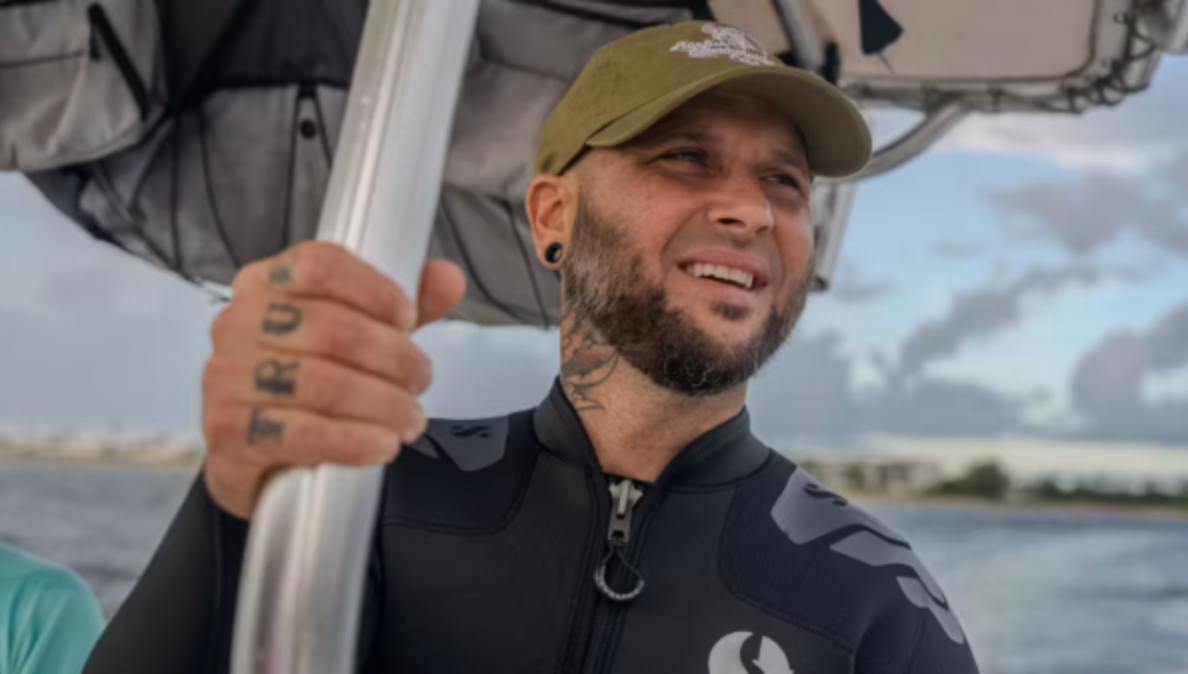
Against this growing crisis, one local activist has launched a one-man campaign to turn the tide. Unlike many large-scale conservation efforts that can be slow to secure funding and government approval, he has taken a hands-on, grassroots approach, dedicating hundreds of hours every month to culling lionfish from infested reefs. Armed with a modified spear and specialized diving gear, he leads regular dives into high-priority reef zones, removing as many as hundreds of lionfish per trip. Beyond direct culling, he also works to educate local recreational divers, boaters, and restaurant owners about the invasion, encouraging more community participation in control efforts. He has even partnered with local chefs to promote lionfish as a sustainable seafood option, creating a market incentive for commercial divers to target the invasive species.
While his effort alone cannot eliminate the established lionfish population, marine biologists say that grassroots, community-led control efforts like his are critical to slowing the invasion’s spread and protecting the most ecologically valuable reef areas. As climate change continues to put additional pressure on Florida’s coral reefs, controlling invasive species like lionfish has become one of the most urgent priorities for marine conservation in the region. The activist’s work stands as a powerful example of how individual action can contribute to protecting one of the world’s most threatened marine ecosystems.