Scheduled for a formal launch this Friday, Belize’s long-awaited energy transformation is moving from promise to tangible action, thanks to a secured $125 million grant agreement between the Belizean government and the United States government via the Millennium Challenge Corporation (MCC).
For years, Belize has grappled with persistent energy insecurity, marked by widespread rolling blackouts and mandatory load shedding that have disrupted daily life and economic activity. While multiple large-scale investment pledges from global institutions and international partners — including an 80-megawatt solar project from the International Finance Corporation, a 40-megawatt development from the World Bank, and a combined 40-megawatt solar and 20-megawatt battery storage initiative from Saudi Arabia — remain in preliminary planning stages, Belize’s Ministry of Public Utilities confirms the MCC funding is fully secured and ready for immediate implementation.
Of the total $125 million Belize Compact grant, more than $40 million is allocated directly to addressing the country’s most pressing energy challenges. Dr. Leroy Almendarez, CEO of the Ministry of Public Utilities, explained that the initiative takes a holistic approach to rebuilding Belize’s energy ecosystem, rather than focusing solely on new generation capacity.
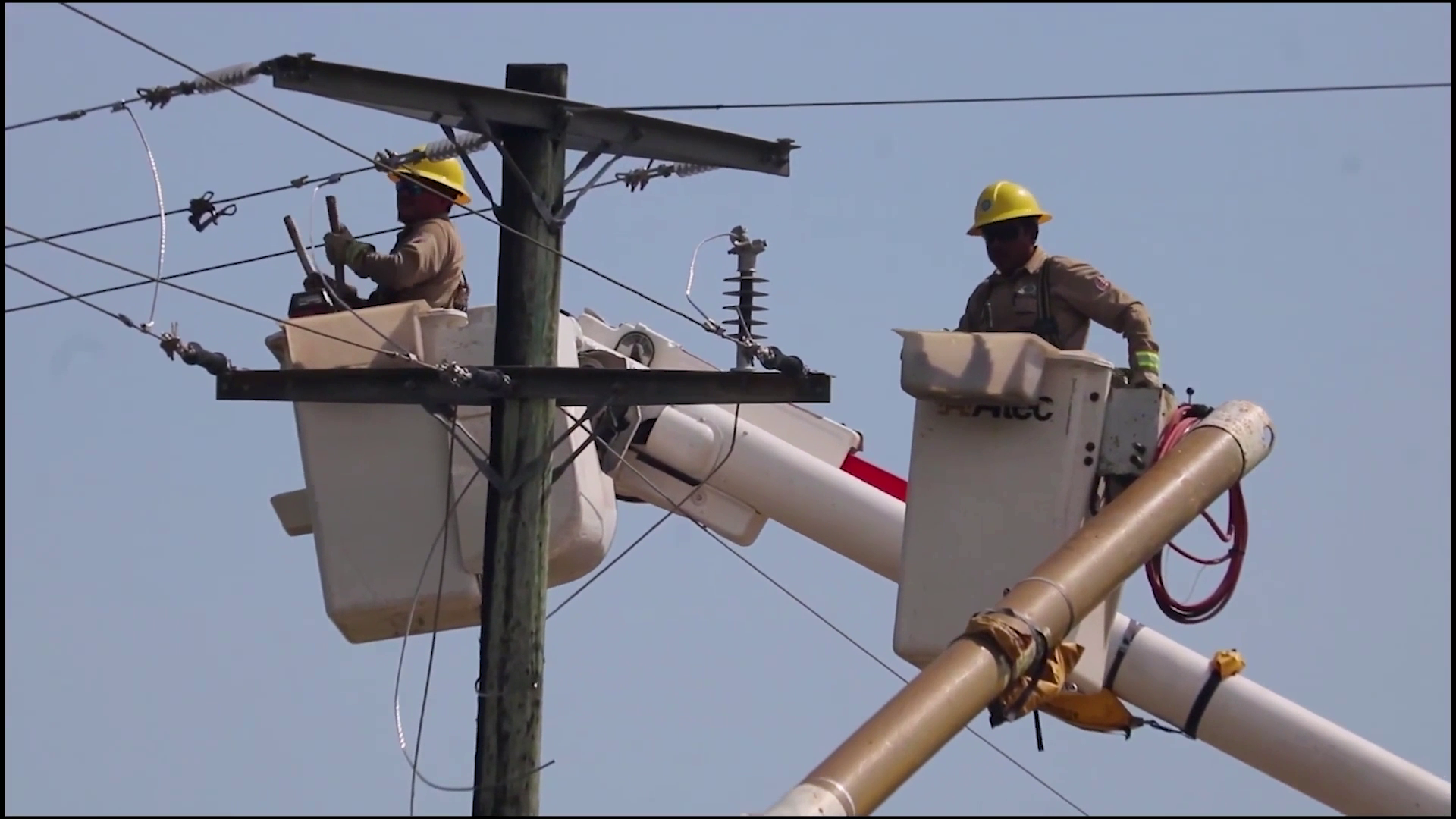
A common misconception, Almendarez noted, is that Belize’s abundant sunlight is a ready-made solution to its energy shortages. In reality, tapping into that renewable potential requires updated infrastructure, strengthened transmission networks, clear regulatory frameworks, and integrated distribution systems that can handle variable renewable energy inputs. The MCC compact addresses these gaps: it includes upgrades to national energy grid infrastructure, such as a submarine cable connecting the key tourism hub of San Pedro to the main grid, and updates to national grid codes that will streamline how new energy capacity is integrated into the existing system.
Beyond ending disruptive outages and boosting domestic energy generation, the overarching goal of the investment is to drive down long-term energy costs for Belizean households and businesses. As other planned projects move through development in the coming years, the MCC compact is expected to lay the foundational framework that will allow those future investments to operate effectively, creating a more stable, sustainable, and affordable energy future for the country.