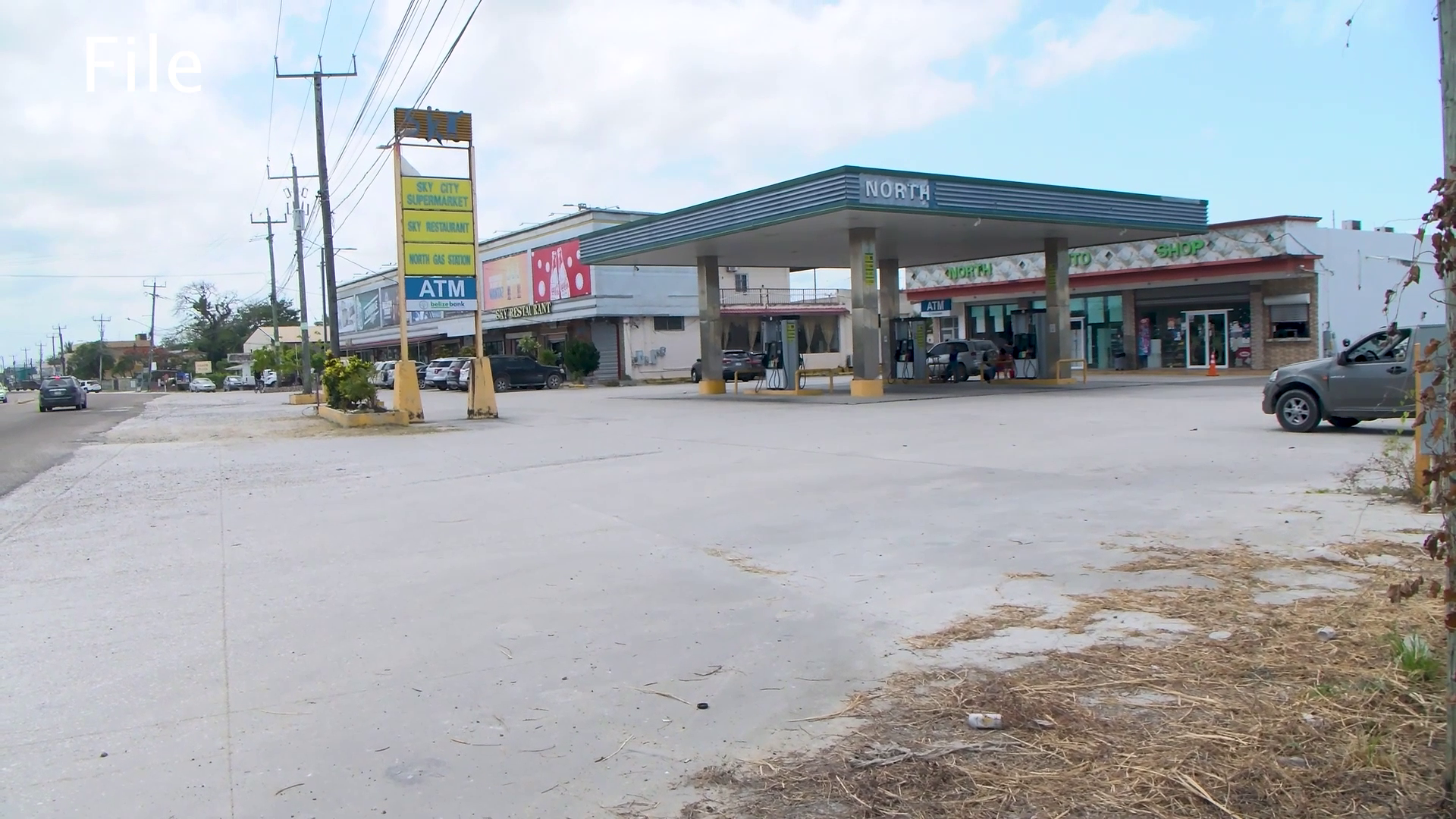
September 15, 2026 — A crippling spike in diesel prices has pushed the national average well above $15 per gallon in Belize, sending ripple effects through the entire economy that threaten to raise costs for everyday consumers far beyond just private motorists. What began as sticker shock at fuel pumps has expanded into a broad economic pressure point: public and private bus operators, freight companies, logistics firms and small businesses that rely on diesel to move people and goods across the country are already absorbing sharp cost increases, with many expected to pass these extra expenses onto shoppers and commuters in the coming weeks.
As public frustration mounts, demands for government intervention to ease the burden have grown louder. In comments to reporters this week, Belize Prime Minister John Briceño confirmed that administration officials are actively reviewing a range of potential relief measures to address the crisis. But the prime minister also issued a stark warning about the difficult trade-offs facing the government: revenue from fuel taxes forms a critical backbone of funding for public services and national social programs, leaving policymakers walking a tight rope between delivering relief to citizens and maintaining long-term government fiscal sustainability.
Briceño explained that for decades, successive Belizean governments have relied on fuel import excise taxes as a stable, easily administered source of public revenue. Unlike more complex tax streams that require extensive enforcement, fuel imports are straightforward to track and tax, creating a predictable stream of funding for core government priorities. “When a million gallons of fuel enter the country, we know exactly how much revenue we can collect,” Briceño noted, pointing to the inherent reliability of the tax.
The government has already adjusted fuel taxes to offset prior price increases, Briceño confirmed, revealing that these previous cuts have already cost the national government more than $40 million in lost revenue. The prime Minister said he would meet with the financial secretary within 48 hours to evaluate what additional relief is feasible given the current fiscal landscape.
To put Belize’s crisis in global context, Briceño noted that extreme diesel prices are not unique to the small Central American nation: some locations in California already sell diesel for more than $15 per gallon, while prices in Miami top $13 per gallon. He added that large economies like the U.S. benefit from massive import volumes that create more buffer for revenue, a advantage Belize cannot match as a smaller market.
Briceño emphasized that the government shares the public’s frustration and would eliminate fuel taxes entirely if it were fiscally possible, noting that the revenue funds non-negotiable core programs ranging from public education and healthcare to critical infrastructure development across the country. “If we could scrap the tax and still keep all these vital services running for the Belizean people, I would do it happily,” he said. “But we need this revenue to keep the government functioning. We have to balance our commitment to delivering relief to citizens with our responsibility to maintain long-term financial stability for the nation.”
This report is adapted from a televised evening newscast transcript, with all statements verified and formatted for online publication.