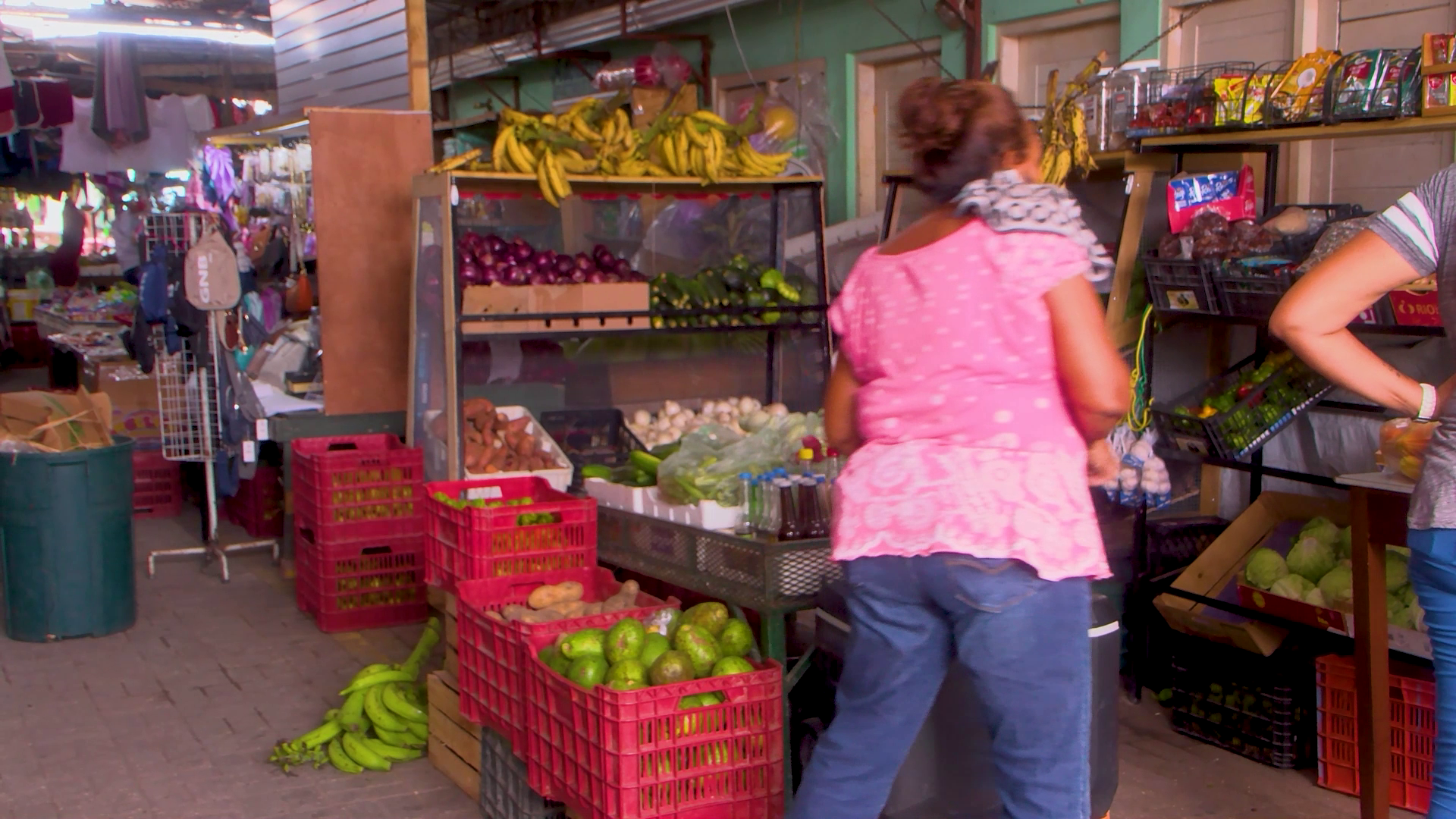
On September 15, 2026, tensions over rising food costs in Belize have come to a head at Michael Finnegan Market, where local vendors are sounding the alarm over what they call exorbitant pricing for staples including onions and potatoes from the Belize Marketing and Development Corporation (BMDC). As the sole authorized importer of specific agricultural goods from Mexico, BMDC controls the supply chain that moves these products from international producers to local wholesalers, and ultimately to the retail vendors who serve shoppers at community markets. Vendors report they are caught in an unsustainable financial squeeze: they are forced to pay inflated costs for inventory from BMDC, but consumers are unwilling to accept the corresponding price hikes that would let vendors recoup their expenses. Now, BMDC’s top leadership is breaking its silence to explain the root causes of the price surges that have left producers, vendors and consumers alike struggling. In an official response to vendors’ complaints, BMDC Administrator Valentin Carrillo outlined two core factors that have pushed acquisition costs far higher than 2025 levels. The first major driver is dramatic shifts in the Mexican peso-U.S. dollar exchange rate. Last year, the exchange rate hovered around 8.5 pesos to the dollar; as of 2026, the rate has shifted to 7.8 pesos per dollar. That 60-cent difference per dollar translates to an almost 10% increase in purchasing costs for imported goods before any other markup is added, Carrillo explained. The second major factor impacting prices is the growing fallout of climate change, which has disrupted agricultural production on both sides of the Belize-Mexico border. Unfavorable weather conditions have reduced overall crop yields for staple produce, while input costs for planting and maintaining crops have also jumped, forcing producers to raise their base selling prices. Carrillo also addressed concerns about produce quality, noting that BMDC imports new shipments twice a week specifically to maintain the freshest possible inventory for local markets. He acknowledged that extreme heat, which has hit 38 degrees Celsius in the region, creates storage challenges: staple crops like onions and potatoes require consistent cool storage between 7 and 8 degrees Celsius, and warming during final distribution to market stalls can accelerate spoilage, compounding vendors’ challenges. Beyond explaining price shifts, Carrillo reaffirmed BMDC’s unique role in Belize’s food supply chain: the national Ministry of Agriculture designated the corporation as the only authorized importer for these Mexican goods, a policy put in place to enforce consistent quality standards for food sold to Belizean consumers. This report is a transcribed version of an evening television newscast, with all Kriol-language statements rendered using a standardized spelling system for accessibility.