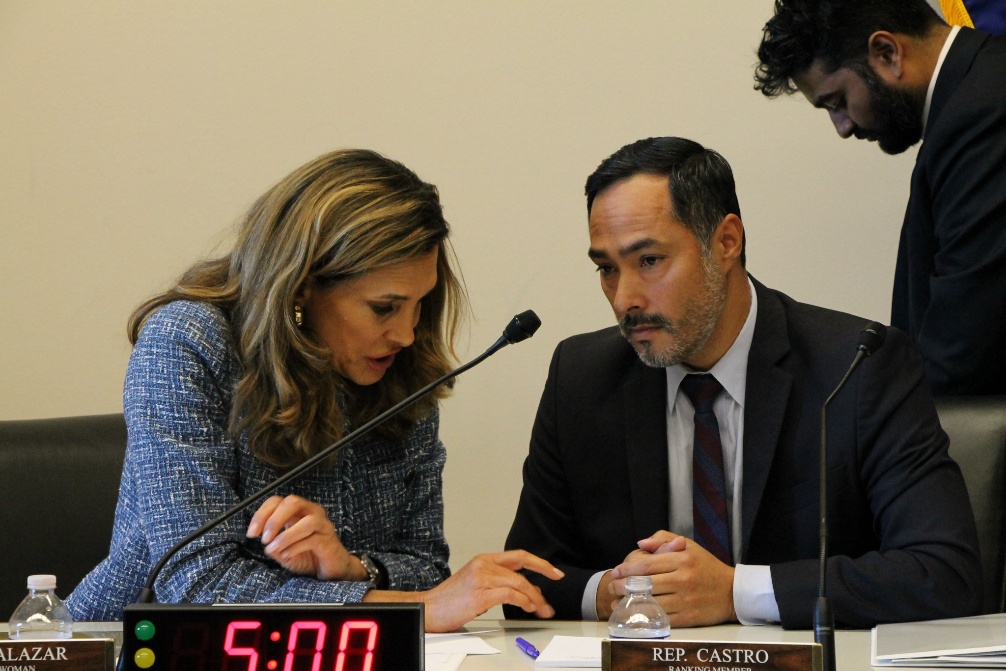
A key congressional Democrat has launched a formal push to force the Trump administration to turn over thousands of undisclosed documents tied to a controversial energy project involving Venezuelan oil reserves, launching a new oversight fight over the opaque deal. On Wednesday, during a routine hearing of the House Foreign Affairs Committee’s Western Hemisphere Subcommittee, U.S. Representative Joaquin Castro — who represents Texas’s 20th Congressional District and serves as the subcommittee’s top-ranking Democrat — introduced a formal motion to issue subpoenas for the records.
Castro’s motion targets both federal executive agencies and private sector entities that participated in the deal, which granted the Texas-based North American Blue Energy Partners (NABEP) equity shares and operational control of 17 active oil fields across Venezuela.
In floor remarks opening debate on the motion, the Texas lawmaker emphasized that congressional oversight of the executive branch is a core constitutional duty that cannot be sidelined in this case. He noted that the push for transparency has been nearly a year in the making, with billions of dollars in potential revenue and assets hanging in the balance. Contracts for the project have already been finalized and awarded, Castro said, but lawmakers and the public remain in the dark about where funding for the initiative is originating and how proceeds from future oil production will be distributed.
The deal has outsize human stakes, Castro argued, pointing to the widespread suffering of the Venezuelan people amid ongoing political and economic instability in the South American nation. He added that large numbers of Venezuelan American residents in his own district and that of subcommittee Chairwoman María Elvira Salazar are demanding answers about the opaque deal, as well as an end to systemic corruption that has drained Venezuela’s national resources for decades.
Castro specifically called out NABEP figure Alejandro Betancourt, who has a history of past legal and ethical controversies, stressing that Congress cannot allow the deal to move forward without public scrutiny. “We need to stand up for ourselves as a Congress, as a legislative body, as a branch of government,” Castro said, framing the motion as a critical step to reassert legislative oversight authority. It remains unclear whether the Republican-led subcommittee will bring the motion to a vote in the coming weeks.