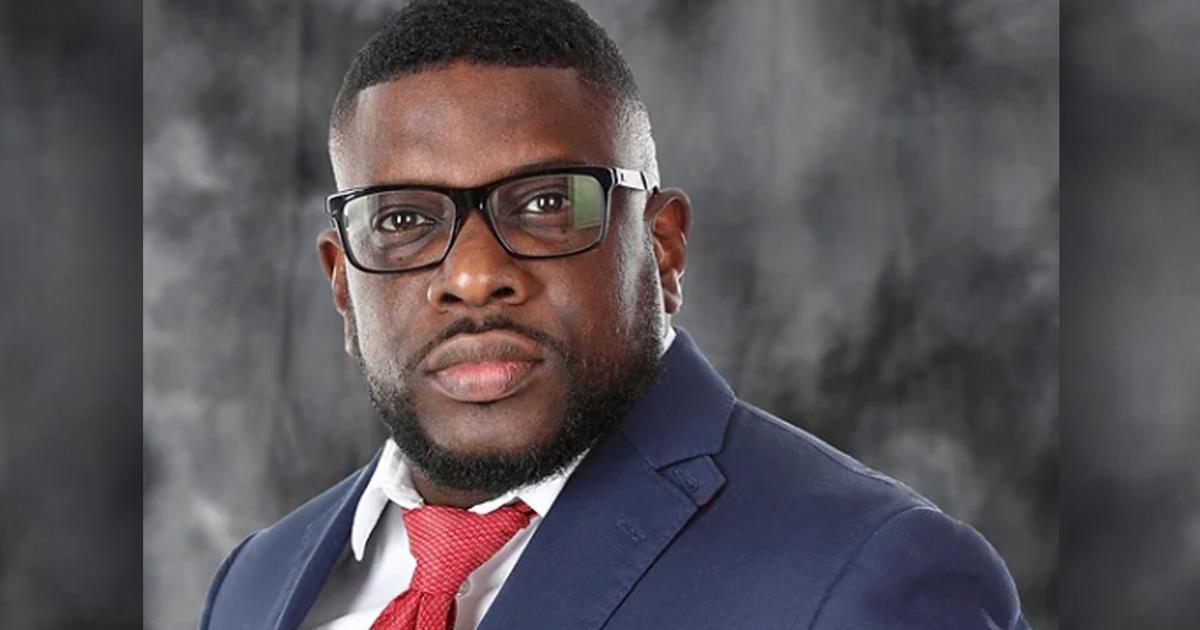
A major telecommunications firm in Trinidad and Tobago is pushing back forcefully against a wave of misconduct allegations brought by its former interim top executive, drawing clear lines around contractual terms and corporate governance standards in a formal legal response.
Telecommunications Services of Trinidad and Tobago (TSTT) has issued a comprehensive rebuttal to pre-action letters submitted by attorneys representing Keino Cox, the company’s former acting chief executive officer. In the response filed Thursday, September 10—addressed to two pre-action protocol letters dated August 26 and September 8 from Cox’s legal team—company representative Samantha Singh-Poona, TSTT’s attorney, voiced disapproval over the widespread circulation of Cox’s correspondence among employees who have no direct connection to the dispute, labeling the move “wholly improper”.
The firm pushed back against any negative speculation stemming from its request for extra time to craft a response, noting that a full, thorough legal review of the complex claims required additional lead time. At the core of TSTT’s argument is a clear breakdown of the terms of Cox’s temporary appointment: the company emphasized that Cox’s tenure as acting CEO was set to expire on July 31, 2026, and carried no implicit or explicit contractual or legal guarantee that the role would be renewed. Per TSTT’s official position, the company’s board and chairman retain full discretionary authority to end an acting appointment at any time, for any reason or no reason at all.
Cox’s allegations of misconduct in public office were rejected outright, with the firm clarifying its legal status: TSTT is a private sector entity governed by general company law, not a public authority exercising sovereign state power, meaning its executives and directors cannot be categorized as public officers. The company also dismissed Cox’s reliance on a prior legal precedent, the TSTT v Ravi Balgobin Maharaj case, calling the citation “misplaced”.
Underlining core corporate governance principles, TSTT noted that company directors hold fiduciary duties to the organization as a whole, not to individual staff members. Any formal obligations to Cox, the firm added, are exclusively outlined in his standard employment contract, with no additional obligations implied.
The company also came to the defense of its Corporate Secretary, Viveka Pargass, who has been targeted by multiple allegations from Cox. After the company’s full board reviewed all claims of misbehavior against Pargass, no evidence of wrongdoing was uncovered, TSTT confirmed. Allegations of a conflict of interest tied to Pargass’s other directorship were also refuted: the company confirmed the role was properly disclosed to Cox, who acknowledged the information upfront. On claims related to unapproved hiring, TSTT explained that Pargass only acted on formal guidance provided by the company’s human resources department, and any minor procedural gaps rest with the HR team, not the Corporate Secretary. The firm went a step further, suggesting that Cox’s allegations against Pargass are retaliatory, timed in response to her push for stricter adherence to proper governance protocols at the firm.
TSTT also addressed the decision to place Cox on administrative leave, explaining the move was a standard procedural step to protect the integrity of an ongoing independent investigation into internal matters. The firm confirmed that Cox continues to receive full remuneration and has not lost any of his contractual entitlements during the leave period.
The company denied claims of chairman interference and procurement irregularities, noting it will issue additional comment once it receives more detailed information about these specific allegations. It also pushed back on claims of improper conduct and insufficient documentation tied to a recent bond refinancing process, releasing a full timeline of events to clarify Pargass’s limited role: the Corporate Secretary’s only responsibility in the process was distributing documents drafted by external legal counsel, TSTT confirmed.
On Cox’s request for pre-action disclosure, TSTT argued that the demand is legally unfounded and premature, noting that the former acting CEO has not demonstrated any provable quantifiable loss or damage stemming from the company’s actions. The firm added that it will fully uphold procedural fairness standards in any future legal proceedings tied to the dispute.
In closing, TSTT rejected every allegation brought by Cox in its entirety. The company confirmed it is fully prepared to vigorously defend itself against any future legal action Cox may initiate, and reserved its right to submit evidence of potential criminal misconduct to relevant law enforcement authorities should the situation warrant it.