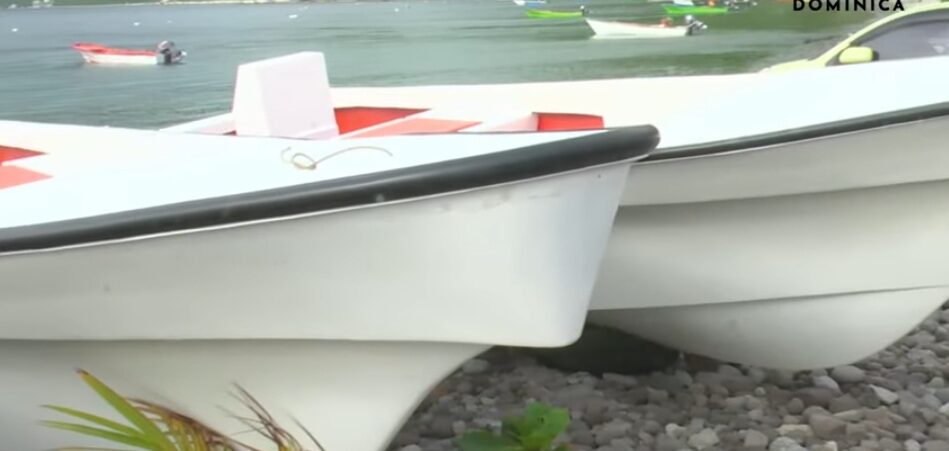
Small island nations across the Caribbean have long watched climate change erode the marine ecosystems that underpin their food security, cultural identity, and economic stability. This week, one regional step forward aims to turn the tide for local fishing communities: the Ministry of Agriculture, Fisheries, Blue and Green Economy of the Commonwealth of Dominica is preparing to officially launch the CC4FISH-II Climate Change Resilience in the Caribbean Fisheries Sector Project on September 15, 2026.
This landmark resilience-building initiative does not move forward alone. It brings together three leading global and regional environmental and development bodies for coordinated impact: the Global Environment Facility (GEF) provides core funding support, the Food and Agriculture Organization of the United Nations (FAO brings technical expertise and global fisheries insight, and the Caribbean Community Climate Change Centre (CCCCC) contributes on-the-ground regional knowledge tailored to the unique vulnerabilities of Caribbean coastal nations.
The official launch event is scheduled to kick off at 10:30 a.m. local time, organized in a hybrid format to maximize participation across the region and beyond. Attendees will have the option to join in person at a venue in Dominica, or connect remotely from anywhere in the world, breaking down barriers to stakeholder involvement that often limit small regional projects.
At its core, CC4FISH-II is designed to directly address the growing climate crisis facing Caribbean fisheries. For years, rising ocean temperatures, ocean acidification, more intense tropical storms, and shifting fish migration patterns have threatened the viability of marine resources that millions of people in the region depend on for daily sustenance and livelihoods. Fishing communities, particularly small-scale artisanal operations that form the backbone of many local economies, have borne the brunt of these changes with few resources to adapt. The new project prioritizes strengthening the adaptive capacity of the sector, building long-term resilience that can protect both marine ecosystems and the human communities that rely on them for generations to come.