Against a backdrop of rapidly expanding digital self-promotion by medical professionals, the Council of the Medical Board of Trinidad and Tobago (MBTT) has launched a comprehensive update of its regulatory guidelines governing how doctors can advertise their clinical services. This sweeping review addresses a range of emerging issues, from unregulated social media marketing and exaggerated treatment outcome claims to undisclosed financial incentives that could mislead patients.
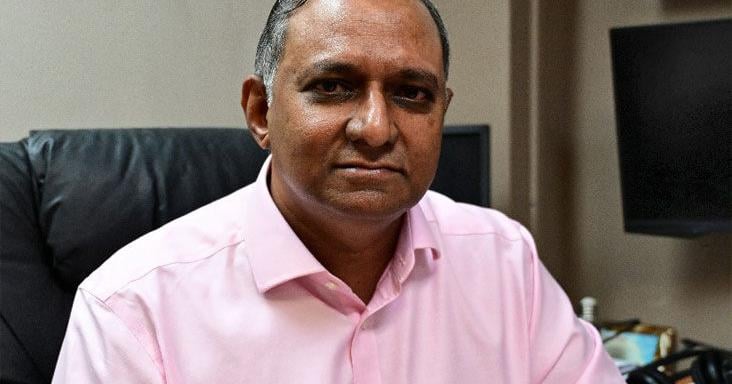
Dr. Ian Ramnarine, a cardiothoracic surgeon and MBTT Secretary, confirmed the review in an interview with the *Sunday Express*, noting that the exponential rise in doctors marketing their practices across Instagram, Facebook, TikTok and other digital platforms has created an urgent need to modernize outdated rules. While medical advertising has long been a sensitive regulatory concern for the board, the mainstream adoption of social media has upended existing frameworks, pushing leadership to re-evaluate what constitutes acceptable professional practice.
“The Medical Council takes this issue extremely seriously, and it is far more complex than many realize. Drawing a clear line between permissible communication and harmful misleading promotion is critical, because our core mandate is protecting public health. Every part of these guidelines needs to be crafted with extreme care,” Ramnarine explained.
He added that foundational ethical standards for advertising already exist, developed in a collaborative partnership with the Trinidad and Tobago Medical Association (TTMA). Now, in response to the digital shift, those foundational standards have been updated for the modern era, and the full MBTT board is set to conduct the final review of the draft framework.
When asked which specific practices have sparked the most regulatory concern, Ramnarine highlighted three key problem areas: false or unsubstantiated claims about treatment success, branded advertising centered on individual doctors, and the failure to disclose financial conflicts of interest that incentivize doctors to push specific products or procedures to patients. Currently, the regulatory body is still refining definitions of what exactly counts as inappropriate or unethical advertising, with multiple open points still under active discussion.
The updated guidelines will cover all forms of doctor-led promotion, including organic social media posts, paid sponsored content, promotional videos and patient testimonials. Several high-stakes questions remain unresolved, however: the board is still debating whether individual doctors should be allowed to advertise specific procedures, particularly elective cosmetic treatments. Current rules prohibit individual clinicians from promoting specific services, a restriction that only applies to institutional medical providers – that ban is now up for re-evaluation.
Another open question centers on whether advertising price points, discounts, limited-time special offers and promotional service packages will be permitted. Ramnarine noted that a full ban on this type of promotion remains the most likely outcome, though the discussion is still ongoing.
Ramnarine also emphasized a core ethical principle that will anchor the new guidelines: medicine is an individualized practice that requires a full patient assessment, formal diagnosis and personalized treatment plan. Any promotion of a procedure that is not clinically appropriate for a patient, but that generates personal financial profit for the clinician, will be explicitly classified as both inappropriate and unethical.
The review also covers how to regulate common marketing tools such as before-and-after treatment photos, patient success testimonials and claims of high treatment success rates. The board is also expanding existing conflict of interest disclosure rules: currently, disclosure of financial ties is already required for doctors presenting at scientific conferences and continuing medical education events, where presenters must clearly state any benefits they receive that relate to their presented work. The new guidelines will extend this requirement to doctors promoting commercial health products, including supplements, skincare items and other patient-facing wellness goods.
Additional unresolved topics include whether doctors will be banned from criticizing competing medical practices or comparing their services directly to other clinicians in advertising, as well as what specific sanctions will be imposed on clinicians found to violate the new rules. Both issues remain under active review, Ramnarine confirmed.
For context, the MBTT already maintains an established formal complaints process for concerns about unethical doctor behavior, governed by the national Medical Board Act that regulates medical practitioner registration and oversight. Instructions for members of the public to submit reports of unethical advertising are already posted publicly on the MBTT official website.
When asked how the board will balance clinicians’ right to grow their practice with the critical need to protect patients from misleading medical claims, Ramnarine said clear, proactive regulation is non-negotiable. He noted that the draft guidelines have been developed through extensive multi-stakeholder consultations to ensure all perspectives are considered. Once the draft is submitted to the full board, all public and stakeholder comments will be compiled, reviewed by the MBTT ethics committee, revised, and recirculated for further input before finalization.
While Ramnarine confirmed that a near-final draft could be circulated to board members within the next two weeks, he cautioned that this timeline does not guarantee a finalized set of rules will be released to all practicing doctors before the end of September. Once the guidelines are formally approved, Ramnarine added it is standard practice for the board to offer clarification for doctors looking to bring existing advertisements and social media profiles into compliance with the new rules. In line with the board’s core mandate, Ramnarine reaffirmed that unregulated medical advertising is not an option: “Advertising cannot be unregulated. Clear guidelines must exist to protect patients.”
The MBTT’s existing code of ethics for medical advertising, which the updated rules will replace, currently includes the following key provisions: practice location signage may only include the doctor’s name, professional qualifications, area of specialization, office hours and appointment requirements, and may only be sized for basic identification; all claims about clinician competence, experience, service quality and treatment outcomes must be factually accurate and supported by formal certification or evidence of appropriate training; promotional materials may not include financial incentives to attract patients, nor may they include third-party endorsements or testimonials about the clinician or their services; doctors may not advertise under a pseudonym, and all advertising must use their full legal name as registered with the MBTT; doctors may not attach their name to the promotion of commercial organizations, and any public comment on issues related to a linked medical, pharmaceutical or biomedical organization requires full disclosure of the professional relationship and a clarification of whether views represent the doctor or the organization.