After eight years of protracted negotiations that have outlasted two national administrations, three union presidents and three chief personnel officers, the Trinidad and Tobago government has issued a firm deadline to the Public Services Association (PSA): the union has 14 days to respond to the state’s final offer for resolving long-outstanding salary backpay claims covering 2014 to 2019.
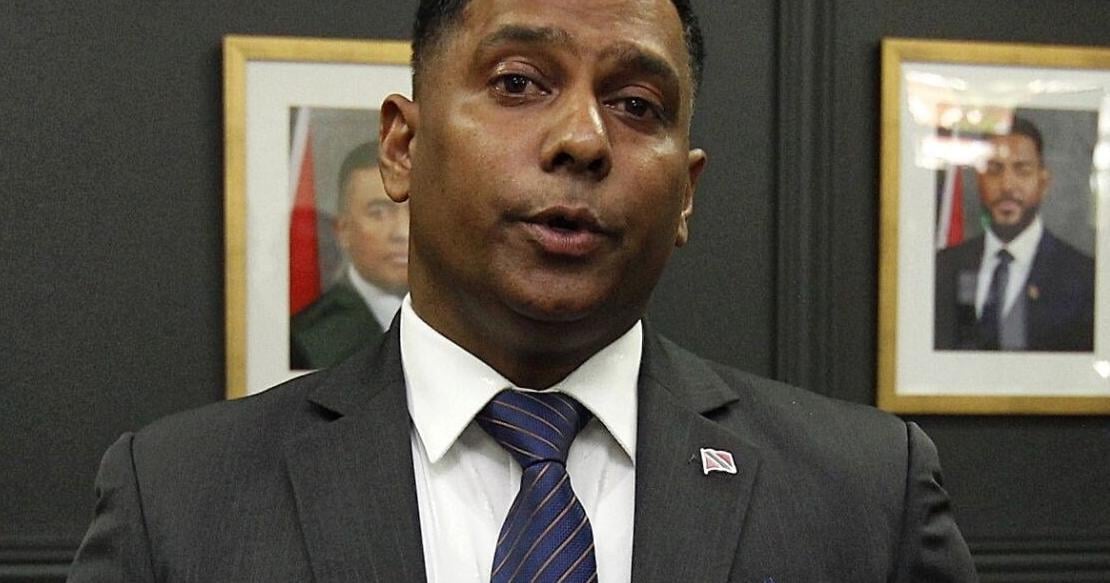
The details of the final proposal were outlined in an official statement released by the Office of Chief Personnel Officer Commander Dr Daryl Dindial, following a new round of talks held Wednesday with PSA president Felisha Thomas and the union’s executive leadership team. The meeting was convened to review the PSA’s counterproposal to the government’s original backpay framework, which was first tabled in May.
At the core of the decade-long dispute is a 2023 December Memorandum of Agreement that secured a 10% salary increase for public sector workers, but deferred negotiations on the structural breakdown of the $3.8 billion total backpay package. In May, the CPO tabled the government’s first final position: a mixed package structured as 40% cash and 60% non-cash benefits, giving the PSA four weeks to respond. The union formally rejected that offer days later, submitting a counterproposal calling for a reverse split of 60% cash and 40% non-cash or deferred benefits.
Following the rejection, PSA president Thomas publicly voiced frustration in a late July Facebook post, noting that nearly two months had passed without a formal meeting to discuss the union’s counteroffer. At the time, Thomas told public sector members that the CPO’s office had stated it was still reviewing the proposal and could not schedule a sit-down. As of Thursday, efforts by media to secure additional comment from Thomas on the latest round of talks were unsuccessful.
In his official statement on the new meeting, Dindial reaffirmed that the 40% cash / 60% non-cash structure remains the government’s non-negotiable final offer. He emphasized that the administration has structured the proposal to balance the needs of public workers with long-term fiscal responsibility, arguing that the framework is designed to protect public sector jobs amid economic pressures.
Dindial explained that the non-cash components of the package carry tangible value for workers, and in many cases require the government to forgo projected revenue to offset workers’ outstanding obligations. The only adjustment the government has made to the original May offer is a new flexible payment option: workers can choose to receive their cash portion of backpay in monthly installments spread across a three-year period, rather than a lump sum.
The CPO added that all other public sector bargaining units have already finalized negotiations for the 2014–2019 salary periods, leaving the PSA as the only major public service association yet to resolve the backpay issue. “This process must now move towards finalization,” Dindial said, noting that the government’s position has been clearly articulated after eight years of talks, and the latest framework is intended to deliver a resolution that is both fiscally responsible and sustainable for the country.
He urged the PSA leadership to seriously consider the offer in order to bring the long-running dispute to a close and deliver long-awaited certainty to thousands of public sector workers across the country. Beyond the two-week deadline for a formal response, Dindial thanked Thomas and the PSA executive for their continued engagement throughout the years of negotiations, and reiterated the government’s commitment to reaching a resolution that is fair, responsible and sustainable for all parties.
The non-cash benefits included in the government’s offer cover a wide range of worker needs: offsets for mortgage and rental obligations owed to the Housing Development Corporation and Trinidad and Tobago Mortgage Bank, settlement of outstanding personal tax liabilities, $3,500 in executive-level medical coverage, tuition fee offsets for students attending state-owned tertiary institutions, tax exemptions for purchases of new and roll-on/roll-off vehicles, plus food cards and fuel assistance.