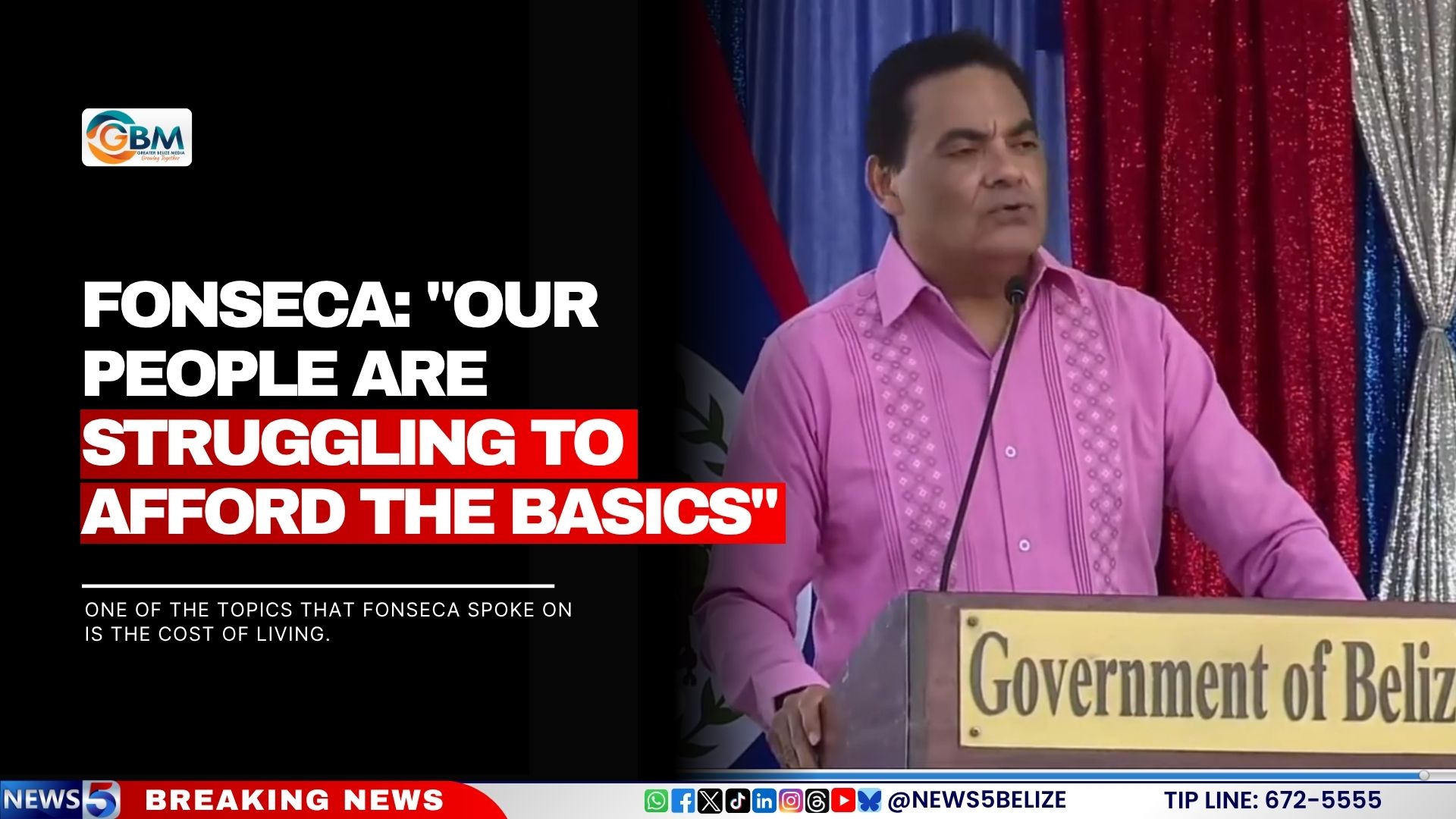
On September 10, 2026, Francis Fonseca — Belize’s Minister of Foreign Affairs, Foreign Trade, Education, Culture, Science and Technology — took the keynote stage at the 228th anniversary commemoration of the Battle of St George’s Caye in Belize City, where he laid out a sweeping policy agenda centered on addressing urgent economic hardships facing ordinary Belizeans and charting a more resilient path for national development.
Opening his address, Fonseca tied national sovereignty directly to the economic well-being of everyday citizens, arguing that a nation cannot claim full sovereignty when large swathes of its population cannot access basic necessities. He openly acknowledged the mounting pressure that skyrocketing fuel expenses, sustained food price inflation, and soaring utility bills have placed on households across both rural and urban Belize, admitting that the government’s current support packages are not sufficient to reverse the strain on working and vulnerable families.
“Existing targeted social protection measures and cost of living relief have helped soften the blow, but we recognize we must go further,” Fonseca stated. He called for a rapid expansion of cross-cutting poverty alleviation initiatives that will reach at-risk families in every corner of the country, strengthening direct social safety nets that cover core needs including food, healthcare, education, and essential public services.
To stabilize prices for basic goods, Fonseca proposed a set of practical, targeted policy interventions: bringing down the cost of core items in the average household food basket, taming volatility in electricity pricing, and mitigating the impact of unpredictable global fuel markets. He also emphasized the critical role of boosting domestic food production, noting that empowering local small-scale farmers and fisherfolk to increase output would cut Belize’s costly dependence on imported food, which in turn would lower prices for consumers at local marketplaces across the country.
Turning to his second core policy area — education reform — Fonseca detailed plans to overhaul Belize’s outdated curriculum to align with 21st century economic needs, prioritizing the development of critical thinking skills, universal digital literacy, and expanded technical and vocational education tracks that prepare students for in-demand jobs. Alongside curriculum modernization, he committed to eliminating financial barriers to secondary and post-secondary education, ensuring that no young Belizean is blocked from pursuing their potential due to an inability to pay schooling costs.
Finally, Fonseca called for bold, far-reaching economic reform to reduce Belize’s long-standing reliance on its two traditional economic pillars: tourism and agriculture. He laid out plans to support homegrown entrepreneurs through expanded access to microfinancing, cutting burdensome bureaucratic red tape that slows small business growth, and building dedicated business incubators to support small enterprises and emerging young innovators. To build a more resilient national economy, he urged the country to embrace fast-growing emerging sectors including the blue economy (ocean-based industries), green economy (sustainable renewable energy and conservation), and orange economy (creative and cultural industries), emphasizing that future economic growth must be inclusive, reaching every family and particularly those in historically underserved marginalized communities.