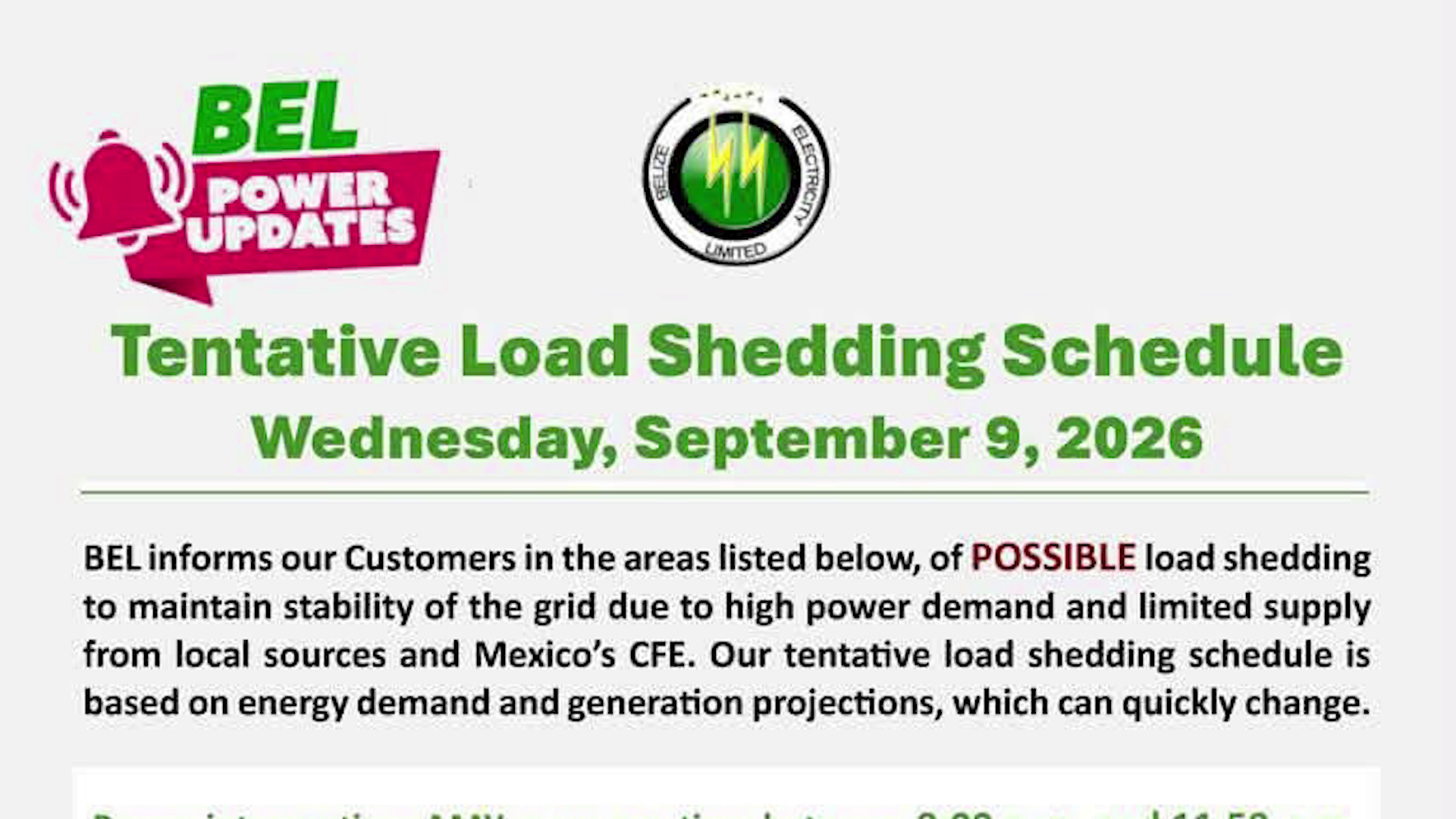
For thousands of residents across Belize, what was once a hypothetical warning about an impending energy crisis has now become a disruptive daily reality. Starting in early September 2026, communities nationwide are facing unplanned and scheduled electricity outages that can last for hours at a time, sending ripple effects through every corner of everyday life. Remote workers are locked out of job responsibilities, students face insurmountable barriers to completing schoolwork, and ordinary families are forced to swelter through unrelenting heat without access to cooling when temperatures climb.
The national energy provider, Belize Electricity Limited (BEL), has formally acknowledged that it is bracing for a sustained power generation shortfall, but frustrated consumers are demanding answers about why the blackouts have begun now and which stakeholders bear responsibility for the gap in energy supply. To address growing public confusion, Dr. Leroy Almendarez, Chief Executive Officer of Belize’s Ministry of Public Utilities, broke down the core factors driving the latest round of controlled rolling outages, commonly referred to as load shedding.
Pushing back against widespread public narratives that pin blame on energy supplier Mexico, Almendarez argued that the root issue lies in insufficient domestic energy reserves within Belize itself. Under normal operating conditions, Mexico acts as a backup energy supplier to cover gaps between domestic generation and total consumer demand. But when domestic generation falls short and Mexico is unable to provide additional power to make up the difference, BEL has no spare reserve capacity to absorb the sudden gap. The controlled outages, he explained, are a proactive measure to prevent total, nationwide grid collapse that would far outlast the current rolling cuts.
Almendarez used a concrete example to illustrate the imbalance: if total consumer demand hits 130 megawatts at peak usage, but BEL only has 120 megawatts of energy available across domestic and backup sources, the 10-megawatt shortfall creates dangerous instability for the entire electrical grid. To prevent a total system failure, grid operators must cut supply to a portion of consumers, rotating outages across different regions to distribute the impact as fairly as possible. When designing load shedding schedules, Almendarez noted, BEL prioritizes the protection of critical public services, prioritizing consistent power access for hospitals, schools, and other essential infrastructure even during periods of shortfall.
Even with these mitigation measures in place, BEL has issued formal warnings that additional outages are likely through the current day and into the next, leaving Belizean residents bracing for more disruption to their daily routines amid the ongoing energy crisis. This report is adapted from a televised evening news transcript.