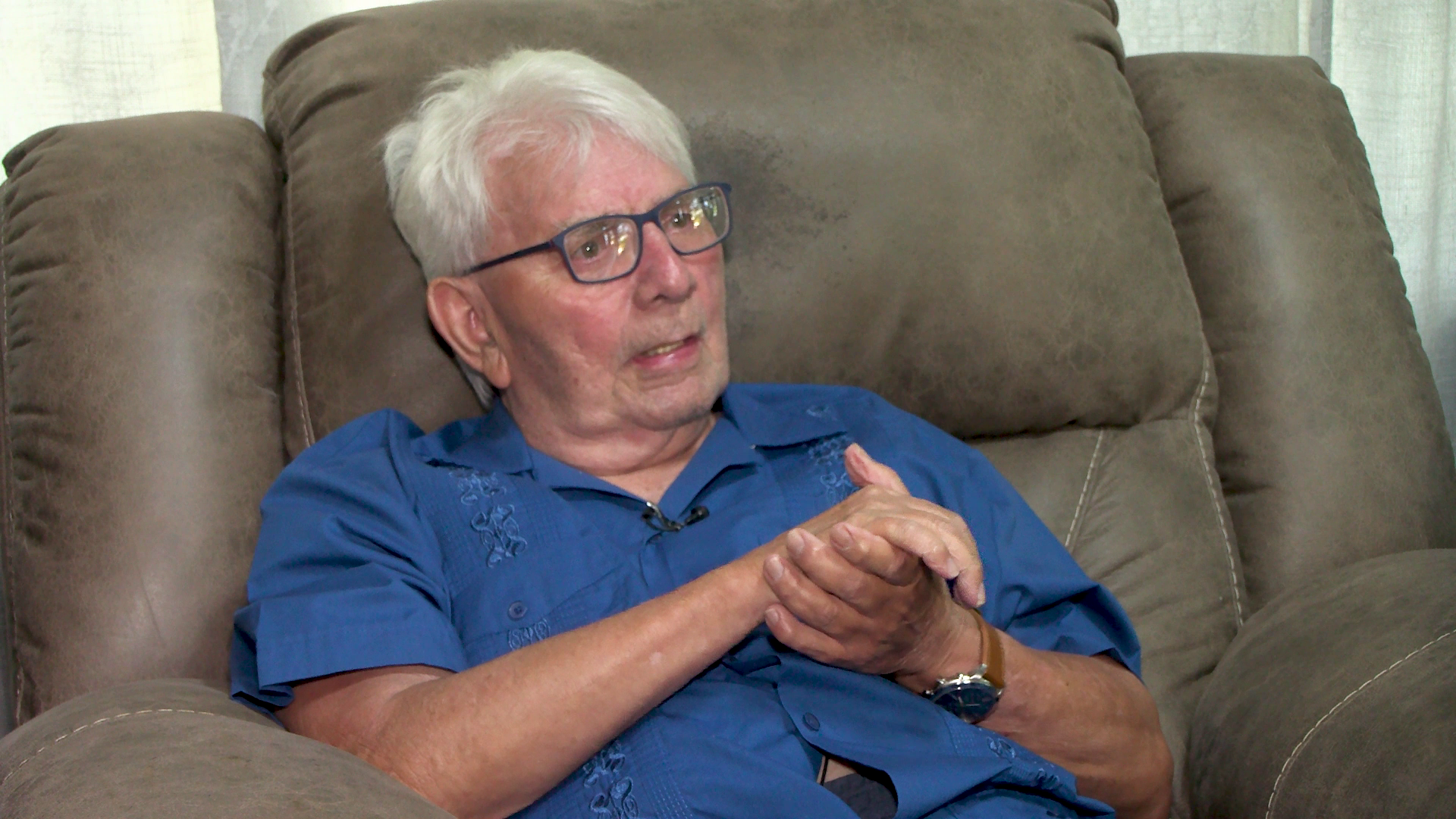
Nearly three decades after his People’s United Party (PUP) swept to power in a historic 1998 landslide win, former Belize Prime Minister Said Musa is reflecting on his administration’s transformative economic policies, arguing the government laid the enduring foundational framework that continues to drive the country’s development today.
Musa’s signature “economic train” pledge was far more than a rhetorical campaign talking point during the 1998 election cycle: it was a concrete promise to reverse years of economic stagnation, reignite sustainable growth, expand development opportunities, and put thousands of unemployed Belizeans back to work. Almost immediately after the PUP took office, Musa says, the country’s economy posted a clear, immediate upswing, fueled by targeted policy reforms designed to attract new domestic and foreign investment and expand critical public infrastructure across the country.
In a recent reflection on his administration’s work, Musa emphasized that the PUP government did not just jumpstart short-term economic momentum — it built the long-term “tracks” that current development efforts still rest on.
“The core priorities of our government were threefold: upgrade the national education system, expand access to the National Health Insurance (NHI) system, and stimulate long-term economic stability through diversification,” Musa explained. “We recognized early that Belize could not sustain its economy relying only on traditional exports like sugar and citrus. That is why we spearheaded the development of the domestic banana industry, and laid the groundwork that later allowed the business process outsourcing and call center sector to take root. Today, that call center industry is a major success story, creating thousands of stable jobs for Belize’s young people.”
Musa also highlighted his administration’s investment in technical and vocational education, pointing to the establishment of the Institute of Technical and Vocational Education and Training (ITVET) centers across the country. “We did not just build one ITVET in Belize City — we brought a skills training center to every district in Belize, training thousands of young people in a wide range of in-demand trades. That foundational investment in workforce skills means that even as new industries like artificial intelligence, computer science, and robotics emerge today, Belize has the base to build on that progress.”
Despite these claimed achievements, the legacy of Musa’s 1998 administration remains contested. Some economic historians point to the government’s heavy reliance on external borrowing during that period as the root of long-term debt challenges that Belize continues to grapple with decades later.
This report is a direct transcript of an evening television broadcast, with all Kriol language statements transcribed using a standardized spelling system for accuracy.