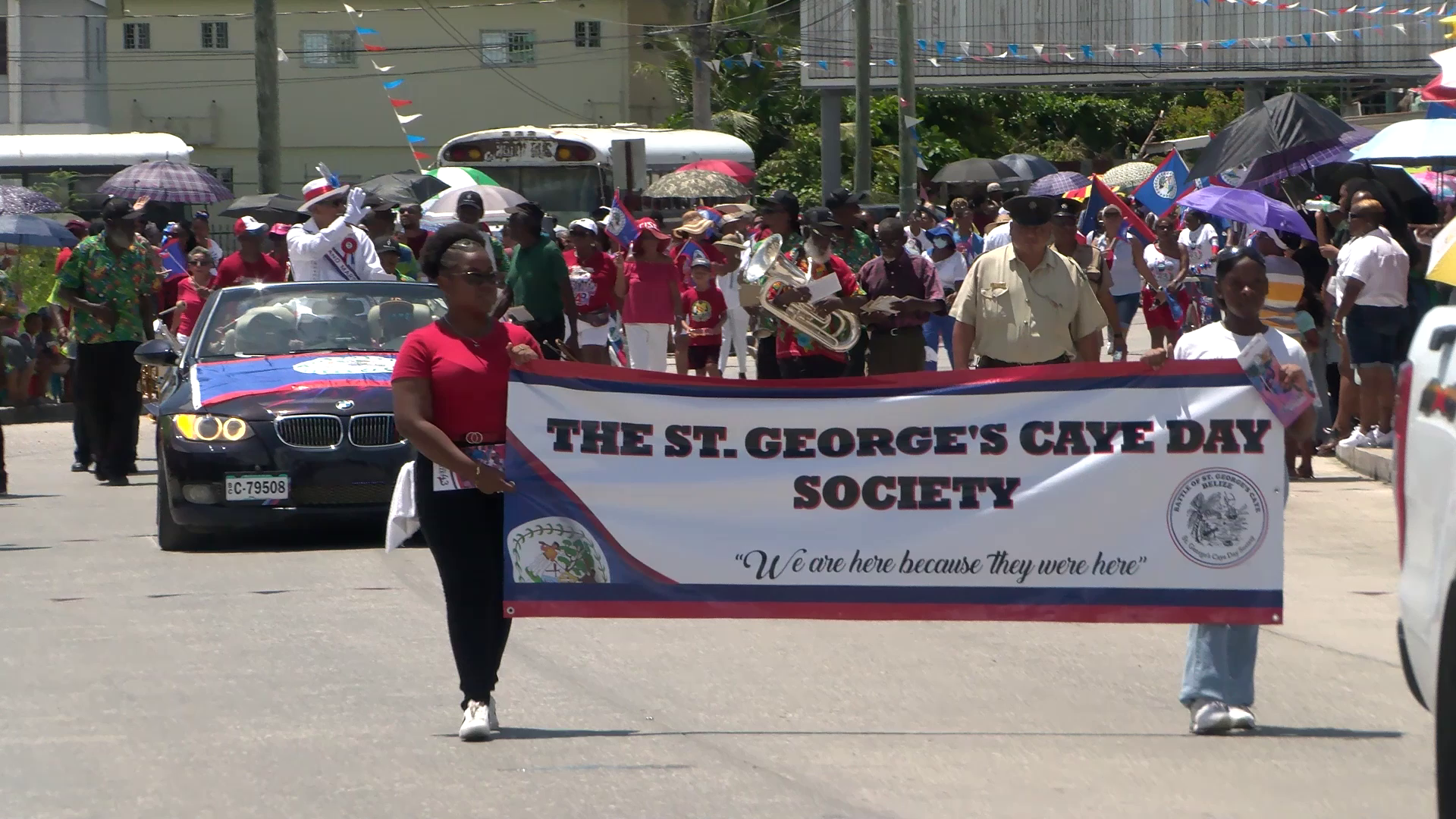
As the 2026 observance of the Battle of St. George’s Caye approaches, Belize is once again grappling with a long-simmering national debate over the historical meaning and modern relevance of the September 10 commemoration. For decades, this event has held a complicated place in the Central American nation’s collective identity, shifting in prominence alongside the country’s journey from colonial rule to full sovereignty.
Once the primary national celebration in Belize, the holiday has gradually been overshadowed in the decades following independence. After the country secured full self-governance, the ruling People’s United Party (PUP) chose to reframe national commemoration around September 21, the date Belize formally emerged as a sovereign state. Now, one of the country’s most prominent former leaders is adding his weight to calls to reexamine the holiday’s place in national life.
Former Prime Minister Said Musa, who holds the title Right Honorable, went public with his perspective in a recent televised discussion, arguing that the September 10 commemoration is inherently tied to Belize’s colonial era and should no longer be romanticized by the nation’s citizens.
Musa explained that George Price, the founding father of Belizean independence, intentionally moved the national day of celebration from September 10 to September 21 specifically to break from the country’s colonial past. “The tenth of September historically was our national day. The problem was that it was from the colonial days, the tenth of September was tied to the colonial period and Mr. Price realized that we have to break away from that. And that is why he came and proposed that we have our independence on the twenty-first of September,” Musa said.
Responding to a question from journalist Shane Williams about whether it was time to revise public education around the holiday and abandon the romantic framing of what Musa calls a colonial construct, the former prime manufacturer reaffirmed his position. He stressed that avoiding an honest confrontation with the holiday’s colonial roots would leave Belizean national identity muddled, saying “I think so, because if we don’t, to me, we will very be humbugged, if we are scared of confronting it head on. I think that is the way to go.”
This debate emerges as Belize continues to refine its national narrative decades after breaking from British colonial rule, with competing perspectives on which historical events deserve central focus in the country’s shared story. This report is a transcribed excerpt from an evening television broadcast published online.