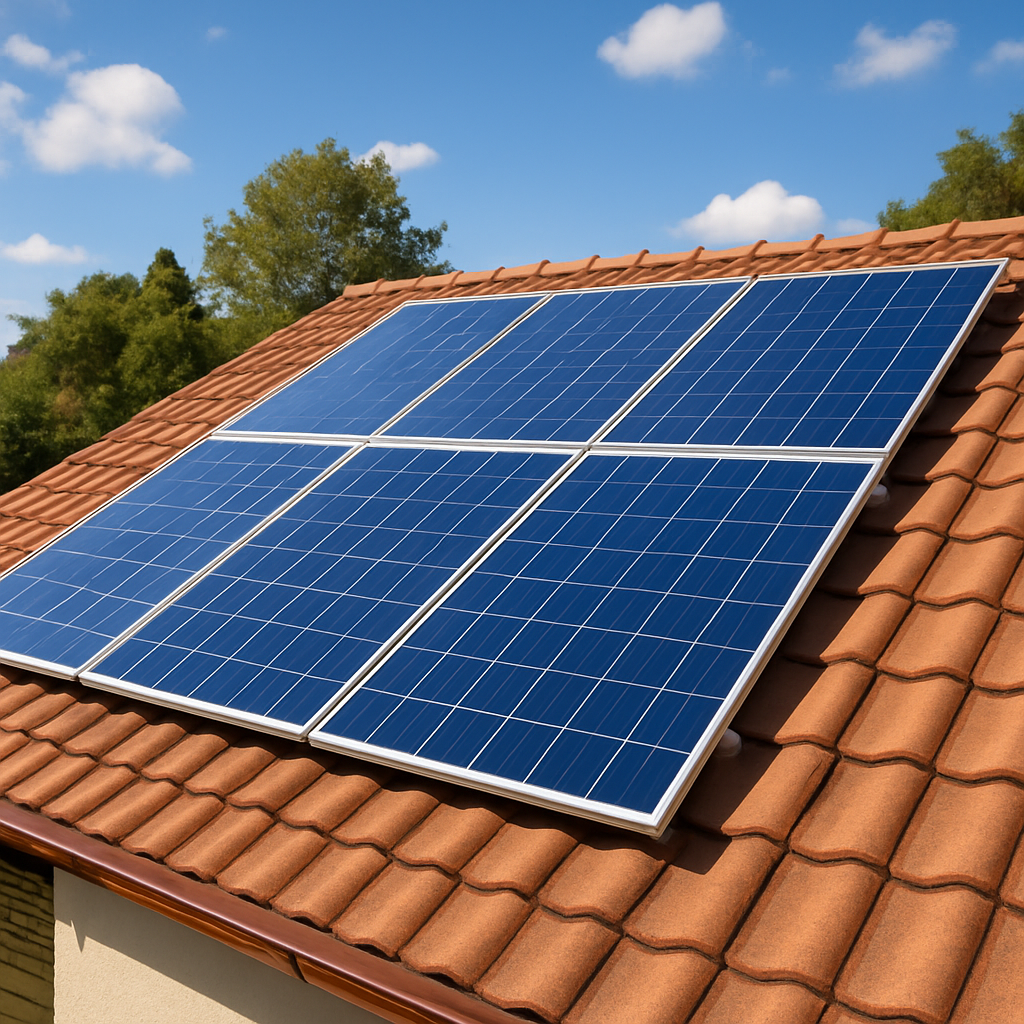
Across the small island nation of Antigua and Barbuda, a new specialized tool is empowering local stakeholders to unlock the untapped renewable energy potential sitting right above their heads: rooftops. Developed by the International Renewable Energy Agency (IRENA), the customized Antigua and Barbuda SolarCity Simulator gives homeowners, commercial operators, and public planning teams unprecedented granular data to evaluate the feasibility of rooftop photovoltaic (PV) solar installations, merging high-precision geographic mapping with detailed financial analysis.
Unlike broad regional solar potential assessments, this platform is built to deliver actionable insights at three distinct scales, catering to the needs of different users. For individual property owners, the tool allows users to zoom into a specific parcel of land and select their building, then generates a 1-square-meter resolution analysis of the roof’s solar generating capacity. Beyond raw potential, the simulator outputs key practical details: the total area of rooftop suitable for panel installation, a full year’s projected electricity output, and a typical hourly generation profile aligned with local sunlight patterns.
One of the most significant barriers to rooftop solar adoption is the uncertainty around return on investment, a gap the SolarCity Simulator is explicitly designed to fill. After generating generation estimates, the tool pulls in local cost data to produce a full financial breakdown, including expected upfront capital expenditure, projected payback timelines, and ongoing cash flow projections. To accommodate different user needs, it also allows for full customization of assumptions: users can adjust panel capacity, efficiency ratings, financing terms, and other technical and fiscal parameters to test multiple installation scenarios and find the right fit for their budget and energy needs.
For public sector planners and clean energy developers, the platform offers expanded analysis capabilities for multi-property zones and large geographic areas. At this scale, the simulator automatically maps out zones with the highest aggregate rooftop solar potential, helping policymakers and developers target infrastructure projects and set achievable national renewable energy targets. Users can also model how different policy interventions—such as generation-based subsidies, capital cost grants, or tax incentives—would impact adoption and overall generation across the region, giving planners a robust tool to design effective policy.
Beyond energy and financial metrics, the platform also quantifies the environmental benefits of rooftop solar deployment. It calculates the volume of greenhouse gas emissions and local air pollution that would be avoided by shifting to solar generation, and translates these impacts into relatable equivalents, such as the number of passenger cars removed from roads or the number of mature trees planted to sequester carbon.
IRENA notes that the broader global SolarCity platform is designed to serve dual purposes: it helps individual households and businesses estimate long-term energy cost savings from rooftop solar, while giving government regulators and energy departments a way to test the effectiveness of existing and proposed clean energy incentives. The exact launch date of the Antigua and Barbuda customized version has not been disclosed in the published implementation guidelines, but the tool is now available for use by all local stakeholders.