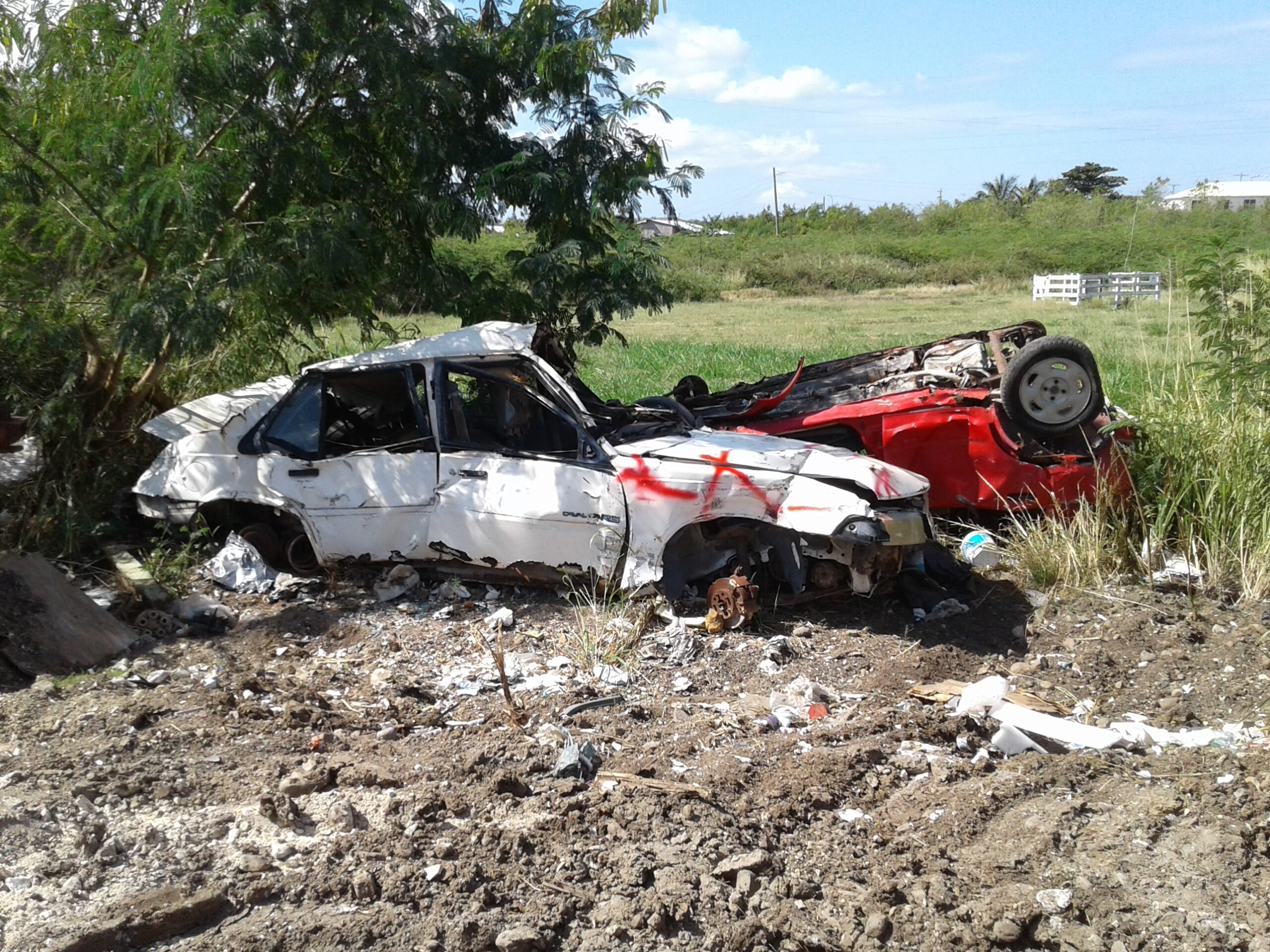
Across the twin-island nation of Antigua and Barbuda, abandoned unroadworthy vehicles left scattered along public roadways have emerged as a growing nuisance, clogging critical alternative routes and impeding smooth traffic flow. To tackle this persistent public problem, the country’s government has tabled plans to amend existing national legislation, introducing harsh new penalties that will categorize the practice as a form of unlawful littering.
During an appearance on the local *Browne and Browne Show* over the weekend, Prime Minister Gaston Browne laid out the details of the proposed regulatory changes. Under the current framework, abandoning derelict vehicles along public roads is not explicitly classified as littering, a gap that the amendment aims to close. “We’re going to change the law, and the parking of a vehicle that is not roadworthy at the side of the road will be constituted as littering,” Browne confirmed during the interview.
When it comes to penalties, the prime minister revised his initial proposal to set a higher starting fine. Early plans floated a penalty range between EC$2,500 and EC$3,000, but the updated proposal will mandate a minimum fine of EC$3,000, with the maximum penalty potentially climbing as high as EC$5,000 for repeat or severe offenders. Beyond monetary penalties, Browne has put forward an alternative penalty for non-payers: court-ordered community service valued up to the maximum fine amount, with tasks including public street cleaning and native tree planting. “If we don’t criminalize them, at least there must be some form of compensation by way of labor,” Browne explained, noting that stricter consequences are needed to deter the practice even among vehicle owners who have adequate private storage space on their own property.
The push for legislative change comes directly after senior traffic officials raised urgent concerns about the impact of abandoned vehicles on the country’s road network. Superintendent Elson Quammie, head of Antigua and Barbuda’s Traffic Department, told authorities that the problem has gotten worse as more motorists divert to secondary and community roads to avoid chronic congestion on the nation’s main highways. Many of these alternative routes, which are critical for easing peak-time travel, are now partially blocked by derelict vehicles and other unauthorised roadside obstructions.
Quammie added that ongoing targeted removal operations have already cleared abandoned vehicles from several high-problem communities, including Point and Villa. But the issue has bounced back quickly: within weeks of these areas being cleared, residents have begun leaving new unroadworthy vehicles along the road verges. With limited staffing and resources, traffic enforcement teams cannot maintain a permanent presence in every community across the country, Quammie noted, making legislative change a necessary long-term solution. Browne also highlighted specific problem spots, including a newly built concrete thoroughfare leading to Yorks Bay and Hermitage, where multiple abandoned vehicles have been left, blocking access for local residents and visitors.
While removal operations will continue in the short term to clear the most dangerous obstructions, the government is still drafting the amendment text. As of the latest announcement, no timeline has been set for the proposed changes to be introduced for debate and a vote in the national Parliament.