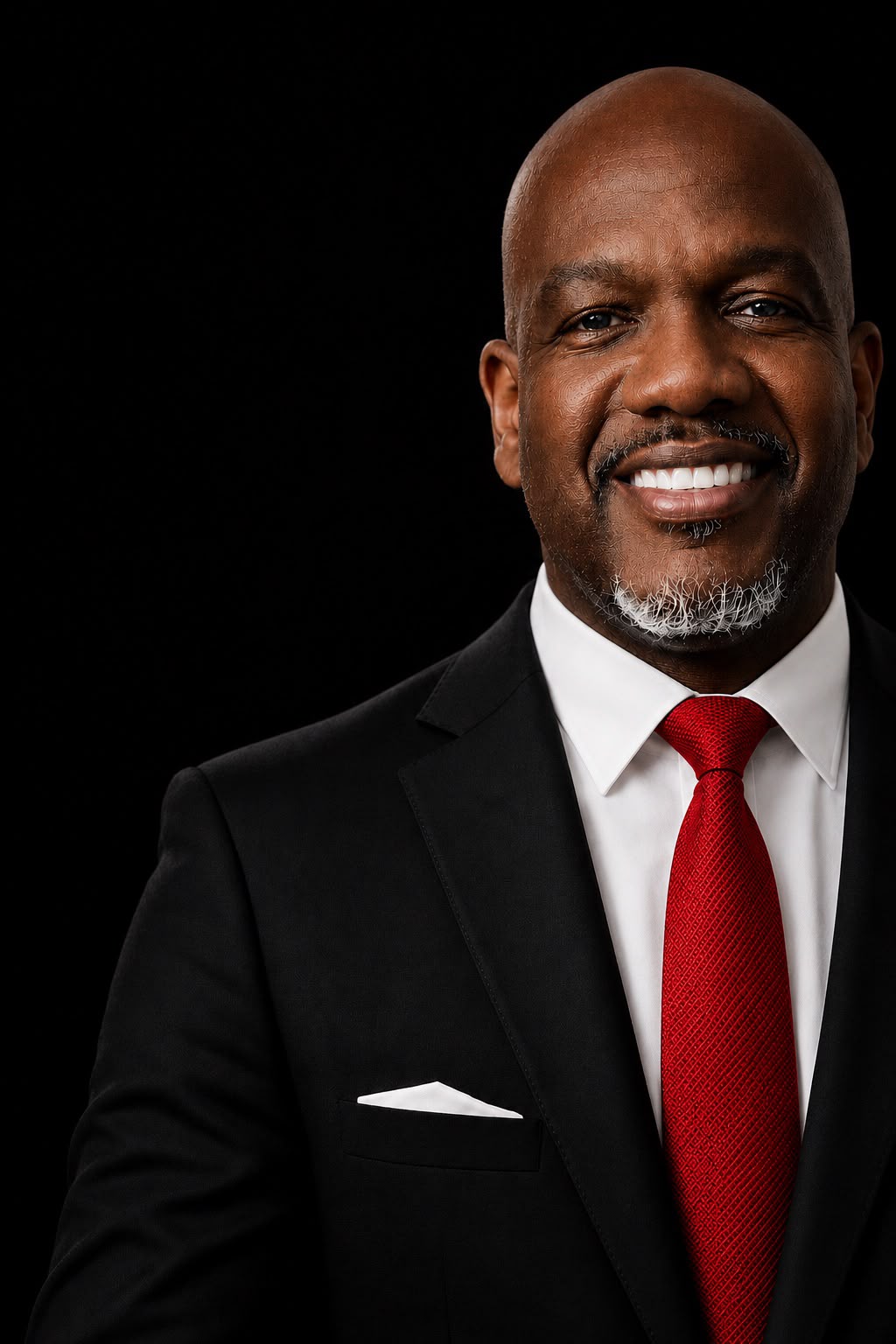
As the 2026/2027 academic year kicks off across Antigua and Barbuda, Education, Science and Technology Minister Daryll Matthew has announced sweeping new education policies that eliminate financial barriers to post-primary and tertiary learning for the nation’s students.
In an official address marking the first day of the new term, Matthew opened by highlighting the familiar, joyful chaos of the first school morning: crisp, never-worn uniforms, unworn new shoes, and the inevitable traffic jams that come when every parent in the dual-island nation heads to drop their children off at the same time. He extended well wishes to all students, and acknowledged the financial strain many families navigate over the summer break before school reopens.
Matthew made clear the transformative changes the current government has put in place ahead of this term, noting that the financial burdens families have carried for years will no longer hold learners back. For all students sitting the Caribbean Secondary Education Certificate (CSEC) and Caribbean Advanced Proficiency Examination (CAPE) this academic year, the government will cover 100% of examination fees. This change means students can select their course subjects based on their career goals and natural ability, rather than what their family can afford.
The policy expansion extends far beyond secondary school. All domestic students pursuing undergraduate degrees at the University of the West Indies will now have full tuition covered. New enrollees at the Antigua and Barbuda College of Advanced Studies also qualify for completely tuition-free enrollment. Even learners pursuing vocational training, technical certifications, and skilled trade programs at the Antigua and Barbuda Institute of Continuing Education will have all tuition fees waived.
Matthew emphasized that the policy shift carries profound national significance, a change too often watered down by repeated discussion. What this means for Antigua and Barbudan families in 2026 is simple: whether a student can reach their full educational potential is no longer tied to how much money their family has. It now depends entirely on the student’s own effort and drive.
This is no minor reform. In most countries around the world, universal tuition-free access to post-secondary education remains an unfulfilled ideal. In Antigua and Barbuda, it is formal policy, fully funded, and being implemented this very term. The government’s core rationale is rooted in national development: for a small island nation with a population of just over 90,000, wasting the potential of even one talented person carries too high a cost. Every student held back by financial barriers is a potential doctor the nation will have to import, a local business that will never launch, and a community problem that will go unsolved. Removing the cost of education is not framed as a charitable gesture, but as a deliberate investment in long-term national growth and prosperity.
Turning to the nation’s teachers and school administrators, Matthew recognized that expanding access brings new workload demands. As financial barriers are lifted, more students are enrolling in all levels of education, bringing new expectations and larger cohorts to school campuses. He acknowledged that resourcing has not always kept pace with the extraordinary effort educators put in, and extended the government’s full gratitude and respect to the education workforce. He pledged that the Ministry of Education will continue working to deliver the tools, professional training, and safe working conditions that the teaching profession deserves.
Matthew also highlighted the critical role parents and guardians play in the education ecosystem, noting that even with every door opened by the state, family engagement remains irreplaceable. Education is a partnership between the state and families, he explained, and the work of caregivers cannot be mandated by policy. Small, consistent acts — asking about homework, attending parent-teacher meetings, building relationships with teachers, and praising effort over grades — matter more than any line item in the education budget.
Addressing students directly, Matthew encouraged learners to embrace the opportunities now available to them. He acknowledged that many will face doubt — from others, and from themselves — in the coming year, particularly ahead of high-stakes examinations. He reminded students that the entire nation has made a deliberate, funded investment in their potential, choosing to spend public resources on the belief that every Antiguan and Barbudan student is capable of success. This choice was not made lightly: the government has seen firsthand what the nation’s people can achieve when barriers to access are removed.
Matthew closed with a call to action for all stakeholders: work hard, pursue curiosity beyond the limits of the syllabus, support classmates who are struggling, and aim higher than what feels conventional, because conventional thinking is not what built Antigua and Barbuda. He closed by offering blessings to students, educators, and the nation as a whole, urging everyone to make the 2026/2027 academic year a transformative one for the country.