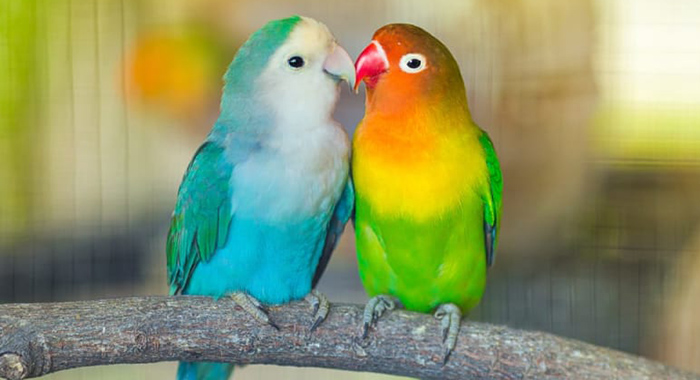
After 13 years of strict restrictions to protect local animal and ecosystem health, St. Vincent and the Grenadines has formally ended its nationwide ban on bird imports, with the policy change taking immediate effect.
First implemented in 2011, the import prohibition was crafted as a proactive defensive measure. At the time, the country’s limited veterinary infrastructure left it vulnerable to devastating transboundary avian diseases, including highly pathogenic Avian Influenza and Newcastle Disease. Beyond guarding public and animal health, the ban served two critical additional purposes: shielding the country’s small, economically vulnerable local poultry industry from outbreaks, and protecting the wild population of Amazona Guildingii—the nation’s iconic endemic national bird, which is unique to St. Vincent and the Grenadines.
In a formal press release announcing the policy shift, the Ministry of Agriculture, Forestry and Rural Transformation outlined the key changes that made lifting the ban possible. When the original restriction was put in place, the country lacked robust national diagnostic capabilities and widespread disease surveillance infrastructure. Today, targeted investments in modern laboratory testing capabilities and expanded regional cooperation partnerships have drastically upgraded the nation’s ability to identify, manage, and contain emerging animal health risks, the ministry explained.
The decision to roll back the ban aligns with global regulatory standards set by leading international bodies, the statement noted. The World Organization for Animal Health (WOAH, formerly OIE) Terrestrial Code already outlines clear, evidence-based frameworks for enabling safe trade in pet birds, while World Trade Organization Sanitary and Phytosanitary Measures (WTO SPS) principles advise against broad, blanket import bans when targeted, risk-managed alternative policies can achieve the same public health goals.
Regional alignment also factored heavily into the policy change. The ministry pointed out that fellow member states of the Caribbean Community (CARICOM) and the Organisation of Eastern Caribbean States (OECS) already allow controlled bird imports under structured certification and quarantine protocols. Harmonizing St. Vincent and the Grenadines’ rules with these regional standards will cut unnecessary trade barriers and advance ongoing efforts toward deeper regional economic integration, the ministry added.
Domestically, the nation’s Veterinary Services Division now meets all requirements to oversee the new controlled import regime. The division has upskilled its personnel through specialized training, established functional diagnostic facilities, and built tested emergency response frameworks to rapidly detect and contain any potential avian disease incursions, according to the release.
Beyond regulatory alignment, the policy shift is expected to deliver tangible socio-economic benefits for the island nation. Allowing controlled imports will support responsible pet ownership among local residents, stimulate growth for small local businesses including pet retail outlets and veterinary clinics, and create stronger connections between the country and its global diaspora, while also supporting the island’s critical tourism sector.
To maintain biosecurity protections, all imported birds will be subject to strict new requirements. Importers must obtain an official veterinary health certificate issued by competent animal health authorities in the exporting country. All birds will also undergo a mandatory minimum 28-day quarantine period in government-approved facilities, complete with required laboratory testing for high-risk avian pathogens before being released to importers, and full compliance with St. Vincent and the Grenadines’ national biosecurity standards.