For decades, the United States has leveraged tools like visa restrictions and official public designations to signal condemnation of corruption and official misconduct in nations across the globe. In Belize, this longstanding practice has fostered a widespread public perception: that the U.S. Embassy in Belmopan functions as an external accountability mechanism, stepping in to apply pressure when domestic institutions fail to rein in corrupt behavior among public officials.
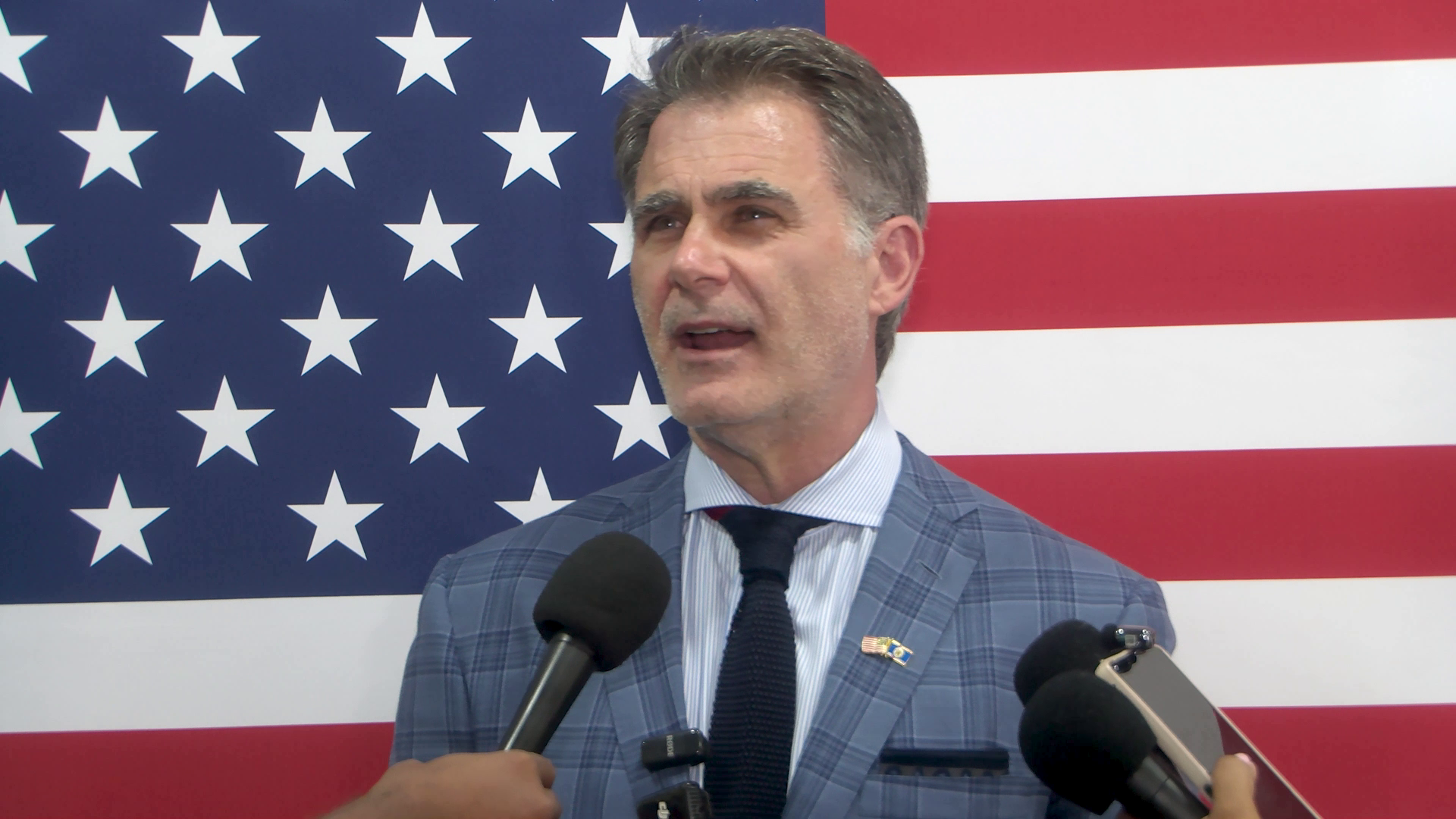
As the country welcomes a new U.S. ambassador to this Central American nation, local observers and residents have been eager to learn whether Andre Bauer, the newly appointed envoy, embraces this de facto watchdog role as part of his official mission. In a recent on-the-record interview conducted ahead of his full diplomatic induction, local journalists pressed Bauer on the core question: should the U.S. Embassy play an active role in holding Belize’s public officials accountable and shielding the country’s governance systems from systemic corruption?
Bauer’s response offered no clear confirmation of the embassy’s continued engagement in anti-corruption oversight, instead leaning into standard diplomatic framing of bilateral relations. “I don’t know that I have a direct answer for you on that,” Bauer stated. “We as a country value the relationship here. That is why we have an embassy here and a large investment and we want to continue to improve any relationship we have.”
The ambassador emphasized that constructive diplomatic ties are built on recognizing mutual national priorities, noting that open dialogue between diplomatic representatives and local leadership creates space for productive exchange. “So, we have certain things that are important to our country and you have certain things that are important to your country and that is why you try to have really good diplomatic relations,” he explained. “If leaders in your country break bread with me and we spend time together, I think we will get a mutual understanding of places that maybe we don’t agree and places that we do agree, and some of those places where, maybe from a different perspective given to me, we can say ok, well maybe I haven’t thought about it like that. And that is really what you have a diplomat for.”
This report is a transcribed excerpt from a primetime local television newscast originally broadcast on September 4, 2026. Any comments originally delivered in Belizean Kriol were transcribed using a standardized spelling system for accuracy. The full unedited broadcast is available for viewing on the outlet’s official digital platform.