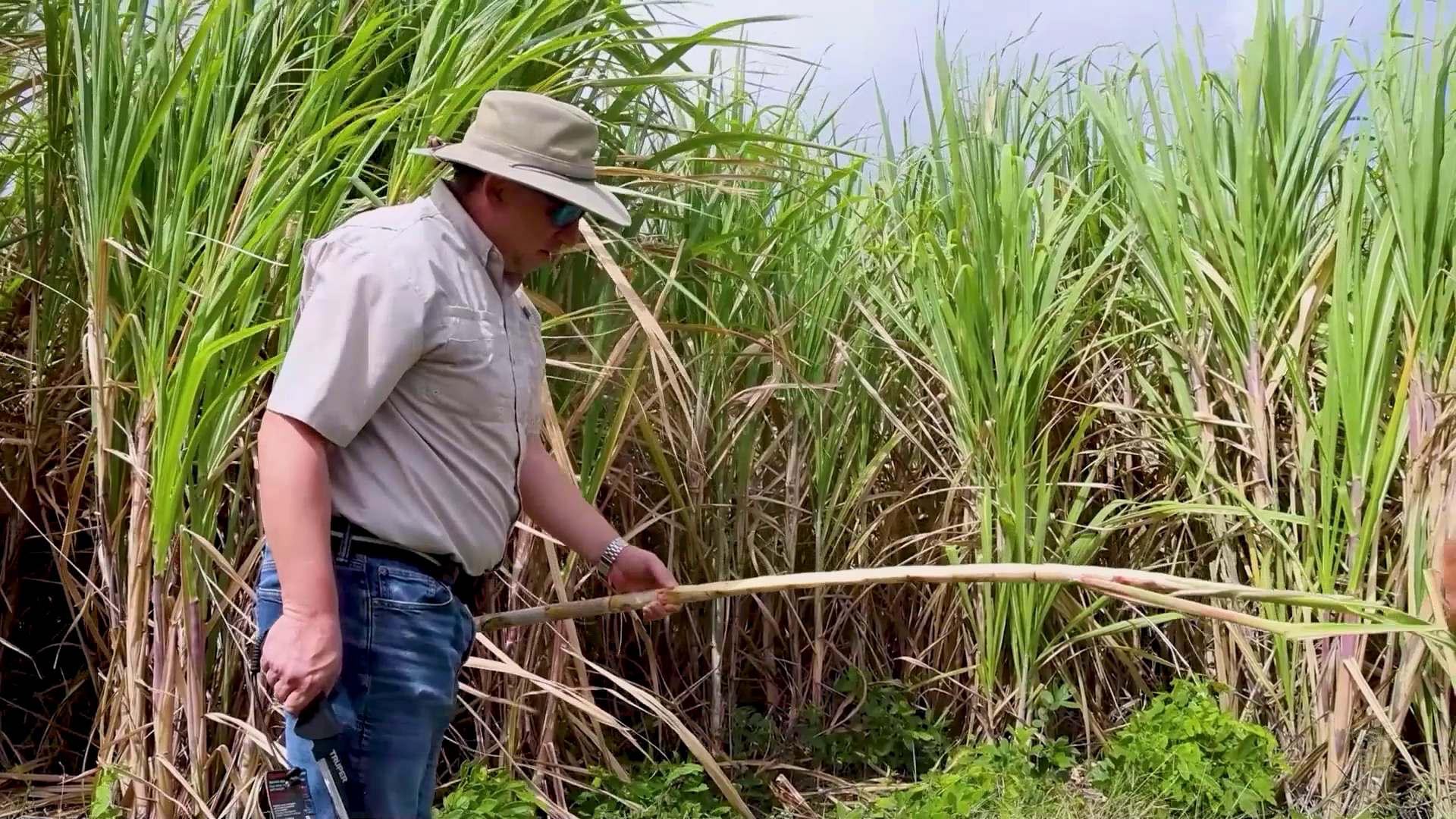
By 2026, the Central American nation of Belize is facing an escalating agricultural crisis that threatens one of its most economically vital industries: sugarcane production. A widespread combined outbreak of invasive mealybugs and fungal Fusarium disease has already swept through the country’s key northern sugarcane belt, leaving more than $12 million in production losses in its wake and pushing the government to launch a urgent, multi-million dollar response.
On September 3, Belize’s Cabinet announced it had approved a $5.2 million emergency fund to carry out large-scale pesticide and insecticide spraying across all 100,000 acres of commercial sugarcane fields in affected regions. Carlos Pol, Chief Executive Officer of Belize’s Ministry of Economic Transformation, explained that the intervention comes at a make-or-break moment for the industry. After recording steep drops in both sugarcane and refined sugar output in the previous growing season, Pol warned that failure to act quickly would lead to equal or even worse declines in the 2026 harvest.
Under the funding framework, half of the approved allocation will be disbursed as an unconditional government grant to the national sugarcane growers’ association, while the remaining 50% will be repaid by the association over the course of four upcoming crop cycles. This emergency support is not the country’s only effort to address the crisis: it supplements three existing long-term agricultural resilience projects funded by international climate and development bodies.
Already, Belize is implementing the $25 million U.S. dollar Climate Resilient Sustainable Agriculture Project (CRRESAP) backed by the World Bank, which allocates dedicated funding to pest and disease management. Complementing this initiative is a new $30 million U.S. dollar project supported by the Green Climate Fund, which focuses on long-term systemic solutions to agricultural threats, including the development and distribution of pest- and disease-resistant sugarcane cultivars and improved land management practices.
For Belize, protecting the sugarcane industry is far more than an agricultural priority: it is a core economic necessity. Pol emphasized that the sugar sector contributes roughly 14% of the country’s total gross domestic product, meaning a prolonged outbreak would not only devastate the livelihoods of tens of thousands of smallholder and commercial sugar farmers, but also send ripples through Belize’s entire national economy. With yields and livelihoods hanging in the balance, agricultural authorities have now launched a race against time to contain the outbreak before it spreads and inflicts irreversible damage on the sector.
This report is adapted from a transcribed evening television newscast originally published by local Belizean media.