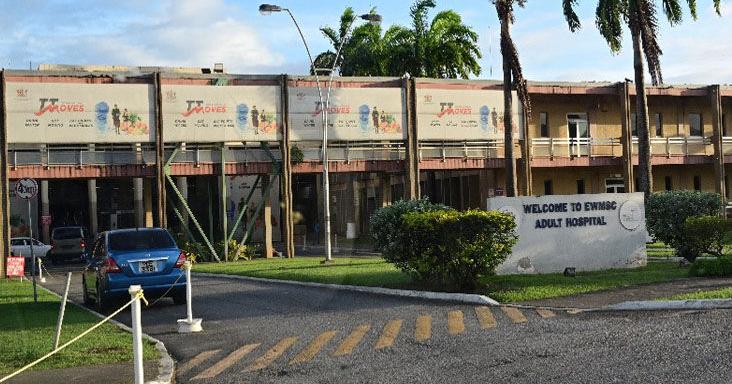
The North Central Regional Health Authority (NCRHA) in Trinidad and Tobago has opened a formal investigation following shocking revelations of alleged gang infiltration, systemic indiscipline, and workplace misconduct within its public hospital patient escort and attendant services. The investigation, announced in an official statement earlier this week, uncovered a pattern of gang association, intimidation, bullying, extortion, and violent threats embedded in the department that delivers critical patient mobility support across four regional public hospitals.
NCRHA chairman Dr Tim Gopeesingh confirmed in an exclusive interview with local outlet *Express* that the internal probe is being led jointly by the authority’s human resources division and in-house legal team. As the investigation remains in its early stages, no terminations have been issued to date, but all 400 employees under review have been ordered to submit all required employment verification documentation to confirm their eligibility for their roles.
Of the 400 staff members under review, approximately 340 work as patient escorts and 70 as hospital attendants across four major facilities: the Eric Williams Medical Sciences Complex (EWMSC), Mt Hope Women’s Hospital, Caura Hospital, and Arima Hospital. Collectively, these positions draw $4 million in annual public salary expenditures, making the scale of the alleged misconduct a major drain on public healthcare resources.
A sweeping internal audit conducted by the new NCRHA administration uncovered multiple layers of long-standing institutional failure, beginning with rampant daily absenteeism that ranges between 30% and 50% of the workforce on any given day. The audit also exposed catastrophic gaps in mandatory pre-employment screening and background checks: in a sample group of 69 audited employees, only five had submitted the legally required police certificates of good character to confirm they had no prior criminal convictions.
According to the NCRHA statement, the current leadership inherited a broken system from the previous administration, where systemic failures were allowed to fester for years. What the new administration encountered was far beyond routine operational challenges: it found an entrenched culture of non-compliance, poor performance, and organized misconduct that put both patients and healthcare staff at direct risk.
Beyond absenteeism, the audit documented persistent patterns of staff arriving late to shifts and leaving before their scheduled end of shift, widespread refusal to follow legitimate management directives, and repeated instances where employees refused to transport patients between care areas. These failures have led to frequent delays in patient transfers, which in turn have disrupted diagnostic procedures, delayed care, and created backlogs for ambulance operations across all four facilities.
Alarmingly, these service disruptions have persisted even after the NCRHA invested in additional resources, including new wheelchairs and ambulances, that the previous administration claimed were necessary to fix delays. Many of the unqualified employees were hired without meeting basic position requirements or submitting mandatory hiring documentation, raising serious questions about the integrity of past recruitment practices in the department.
To address the crisis, the NCRHA has already implemented sweeping corrective measures, including strengthened on-site supervision, mandatory ongoing professional training, standardized transparent rostering, enhanced daily attendance tracking, and increased senior management oversight. Multiple individual disciplinary cases are now active, with the authority noting that all investigations and potential disciplinary actions will follow established public sector employment protocols.
Early results from these interventions have already delivered tangible improvements, according to the NCRHA. Workforce attendance has risen dramatically, and the time required to transport patients between hospital areas has been cut drastically. The department has also regained a sense of order and calm that was missing amid the previous culture of indiscipline.
In a nod to the majority of staff who have continued to perform their duties professionally, the NCRHA emphasized that it recognizes the invaluable work done by compliant patient escorts and attendants who support patients and clinical teams every day. However, the authority made clear that it has zero tolerance for behavior that endangers patients, staff, or the delivery of public healthcare.
“There is no place within the public healthcare system for gangsterism, intimidation, bullying, extortion or behaviour that threatens employees, compromises patients or interferes with the delivery of healthcare,” the NCRHA said in its official statement. The authority confirmed that all serious allegations are being investigated thoroughly per established procedures, and that decisive action will be taken against any employee found to have engaged in misconduct. Reaffirming its commitment to cleaning up the department, the NCRHA added: “The current administration inherited these problems; it did not create them. It will not allow them to continue.”