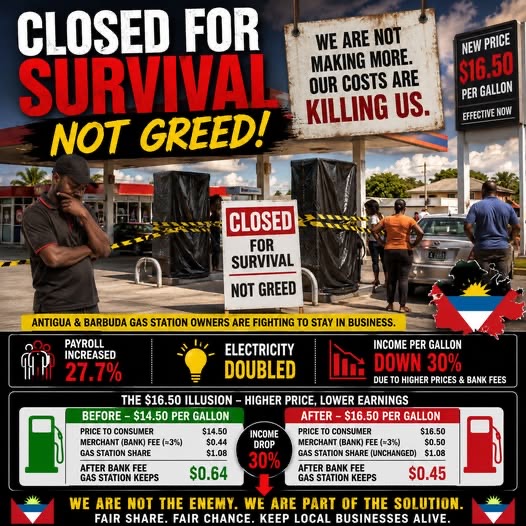
Across multiple regions, independent gas station owners have recently taken the bold step of going on strike, a move that has drawn mixed reactions from motorists, industry observers, and policymakers alike. But when examining the structural pressures and unfair practices that have pushed small fuel retailers to this point, it becomes clear their call for action is not only warranted but long overdue.
For years, most independent gas station operators have operated on razor-thin profit margins. Major oil refining companies and large fuel distribution networks control the bulk of the supply chain, allowing them to dictate wholesale fuel prices that leave little room for small retailers to cover operating costs. Expenses ranging from property rent and utility bills to employee wages have surged in recent years amid broader inflation, while unfair competition from large chain retailers and big-box stores that sell fuel at discounted rates to draw in customers for other products has further eroded small operators’ ability to stay profitable.
Many striking owners also highlight regulatory burdens that disproportionately impact small businesses. Compliance with new environmental standards, tax reporting requirements, and fuel quality regulations often comes with high administrative and upgrade costs that large corporate chains can absorb far more easily than family-owned and independent stations. What makes the situation even more frustrating is that policymakers have repeatedly ignored repeated calls for reform, leaving station owners with no other option but to halt operations to draw attention to their crisis.
Critics of the strike argue that the work stoppage drives up fuel prices for consumers and creates inconvenience for daily commuters. This concern is not unfounded, but the root of the public’s inconvenience lies not in the owners’ decision to strike, but in the broken and uncompetitive fuel market that has pushed small retailers to breaking point. If the underlying issues that forced this action are left unaddressed, consumers will face far worse outcomes in the long term: widespread closure of independent stations will leave the market even more concentrated in the hands of a few large corporate players, which will only lead to higher, less competitive prices for motorists over time.
Gas station owners do not take the decision to strike lightly. This action is not a push for excessive profits, but a fight for survival for thousands of small, often family-owned businesses that are core parts of local communities. Their demands for fairer regulation, anti-competitive practice enforcement, and more balanced wholesale pricing are rooted in legitimate economic grievance. When all factors are considered, there is no question that their industrial action is fully justified.