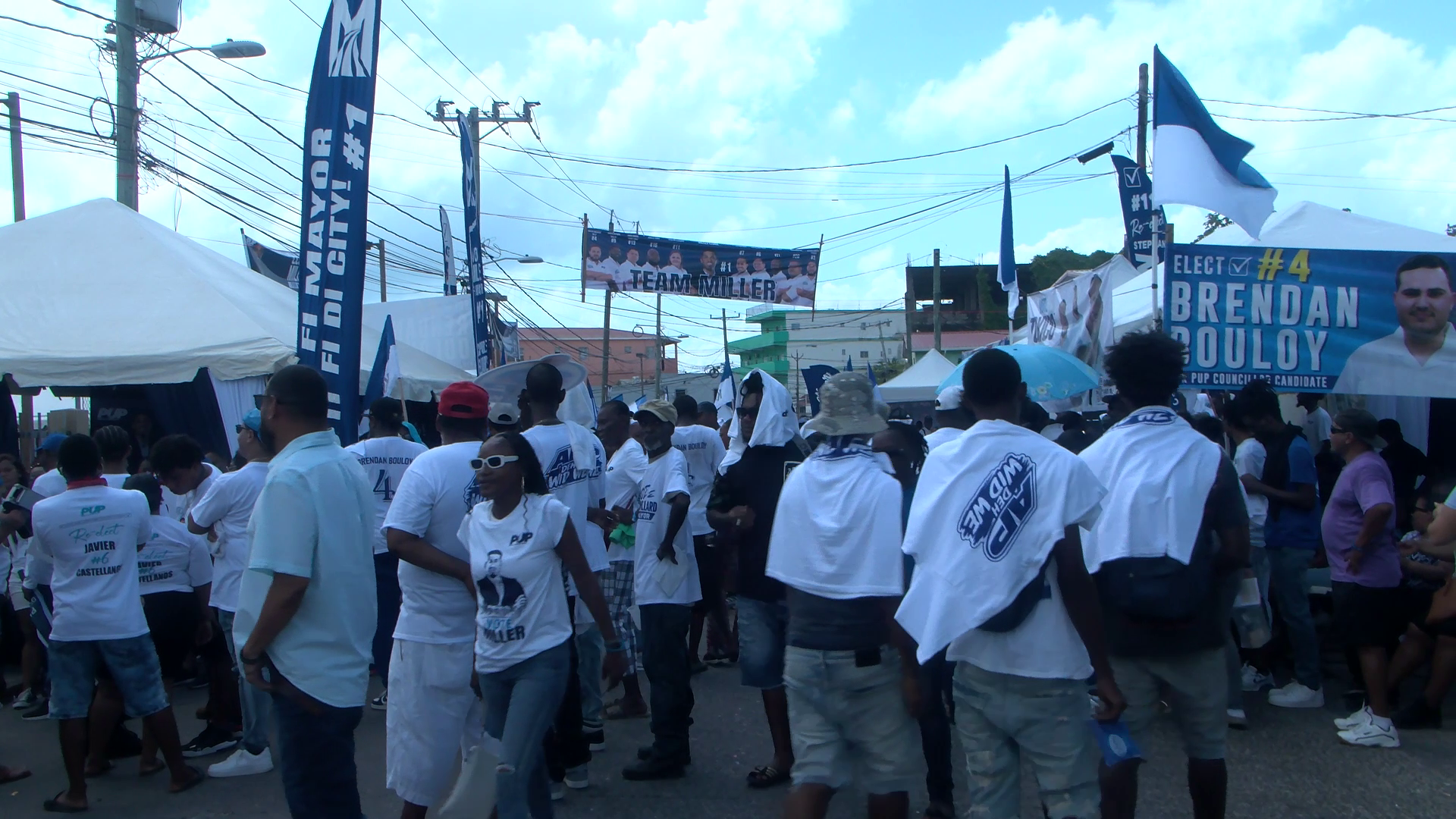
A public debate over campaign spending has erupted in Belize following Sunday’s People’s United Party (PUP) national convention, after unofficial sources pegged the total expenditure from all competing candidate camps at more than one million Belize dollars. The eye-popping estimate has sparked widespread public discussion about the growing financial barrier to entry for electoral politics, even as the party’s top leader pushes back against the figure.
PUP Chairman Henry Charles Usher acknowledged in an interview that intra-party conventions inherently carry significant operational costs, but he refuted assertions that combined spending hit the seven-figure mark. Usher broke down the key cost categories that drive convention budgets, noting that commercial advertising on major local outlets such as Channel 5 commands a particularly high price tag that eats up a large share of campaign resources. Beyond media buys, he added, conventions require funding for campaign materials such as banners, on-the-ground staffing, and complex day-of logistics: these include coordinating travel for voting delegates, setting up and staffing candidate hospitality tents, and hiring greeters and support teams to assist attendees.
“Getting into politics is an expensive endeavor and you need resources to get it done,” Usher stated, confirming that while convention-related spending is substantial, the one-million-dollar claim circulated in public is an overstatement. “Certainly what we saw out there were people coming out to support candidates, support their team and these things cost money,” he added, pushing back on analyst Paul Lopez, who told reporters that public reports peg total spending at a minimum of one million dollars, with some unofficial estimates running even higher.
The debate over convention spending has renewed momentum for campaign finance regulation in the country. PUP Minister Kareem Musa told reporters on Sunday that exorbitant election spending across all political contests can only be eliminated through comprehensive campaign finance legislation. Musa added that he expects the draft legislation to be completed by the end of 2026, setting the stage for potential reform that could reshape how political campaigns are funded and reported in Belize.
This report is based on a transcribed recording of a local evening television newscast originally published online.