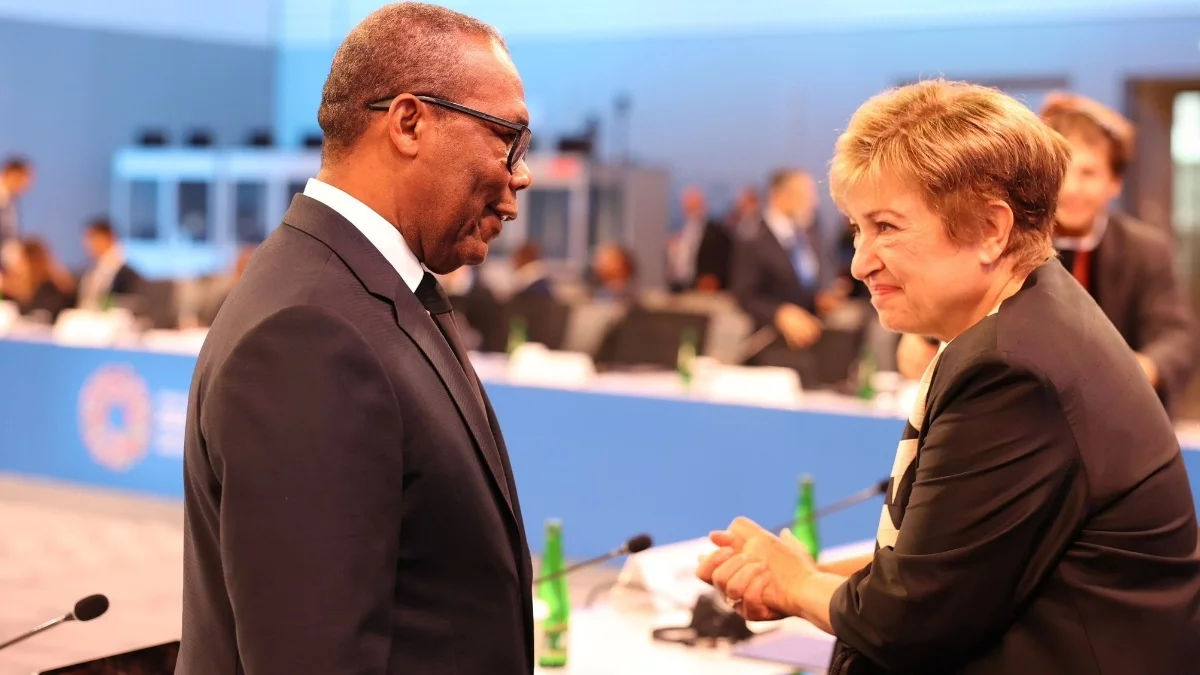
At the 2026 Caribbean Ministerial Meeting hosted in Bangkok, Thailand on October 15, Gabriel Ronald, Governor of the Bank of the Republic of Haiti (BRH), delivered a targeted address to International Monetary Fund (IMF) Managing Director Kristalina Georgieva, laying out the unique economic and demographic challenges facing Haiti and calling for tailored global support for vulnerable small and fragile states.
The gathering, centered on two defining crises facing the Caribbean region—the cumulative impact of consecutive global shocks and rapidly shifting demographic dynamics—drew Ronald’s focus to the outsized vulnerability that small island and fragile nations face when hit by external pressures. Unlike larger, more diversified economies, every new shock erodes already scarce policy space in these contexts, and the Caribbean is no exception. Current energy market volatility has worsened long-standing structural imbalances across the region, while natural disaster damage, measured as a share of gross domestic product, is six times higher in the Caribbean than in most other parts of the world.
For central banks across these vulnerable economies, Ronald argued, the core balancing act is maintaining macroeconomic and financial stability without imposing overly harsh adjustments that undermine long-term growth. For Haiti, this balance is even more critical: with nearly half of the population currently experiencing acute food insecurity, macroeconomic stability cannot come at the cost of cutting social spending or delaying the critical investments needed to build long-term national resilience. To meet this need, he emphasized, continued access to low-interest concessional financing, flexible shock-responsive funding tools, and well-phased technical assistance from global institutions remains non-negotiable for Haiti’s recovery.
Compounding these economic challenges, Ronald noted, is Haiti’s unique demographic pressure. Unlike many nations grappling with aging populations or falling birth rates, Haiti faces a crippling brain drain driven by mass emigration of young people and skilled workers. Data from an international institution shows that more than 80 percent of Haitian university graduates now reside outside the country. This ongoing outflow erodes Haiti’s long-term growth potential and strips state institutions of the skilled human capital needed to implement critical reforms, amplifying the urgency of targeted action.
“Our priority should be to create conditions that allow our young people to build their futures within their own country,” Ronald stated. Meeting this goal requires increased investment in skills development, expanded access to quality economic opportunities for youth, and more strategic collaboration with Haiti’s large global diaspora. He also noted that regional cooperation can play a key supporting role, particularly in priority areas including energy security, vocational training, skilled labor mobility, and disaster preparedness—though any collaborative framework must account for the wide gap in vulnerability and institutional capacity across Caribbean economies.
Closing his address to Georgieva, Ronald stressed that while investing in national resilience carries an upfront cost, the price of inaction would be far higher for Haiti and other vulnerable Caribbean states. He concluded by urging the IMF to continue adapting its technical assistance and financial tools to fit the unique realities of the world’s most vulnerable nations, ensuring that macroeconomic stability and investments in long-term resilience and future growth can progress hand in hand.