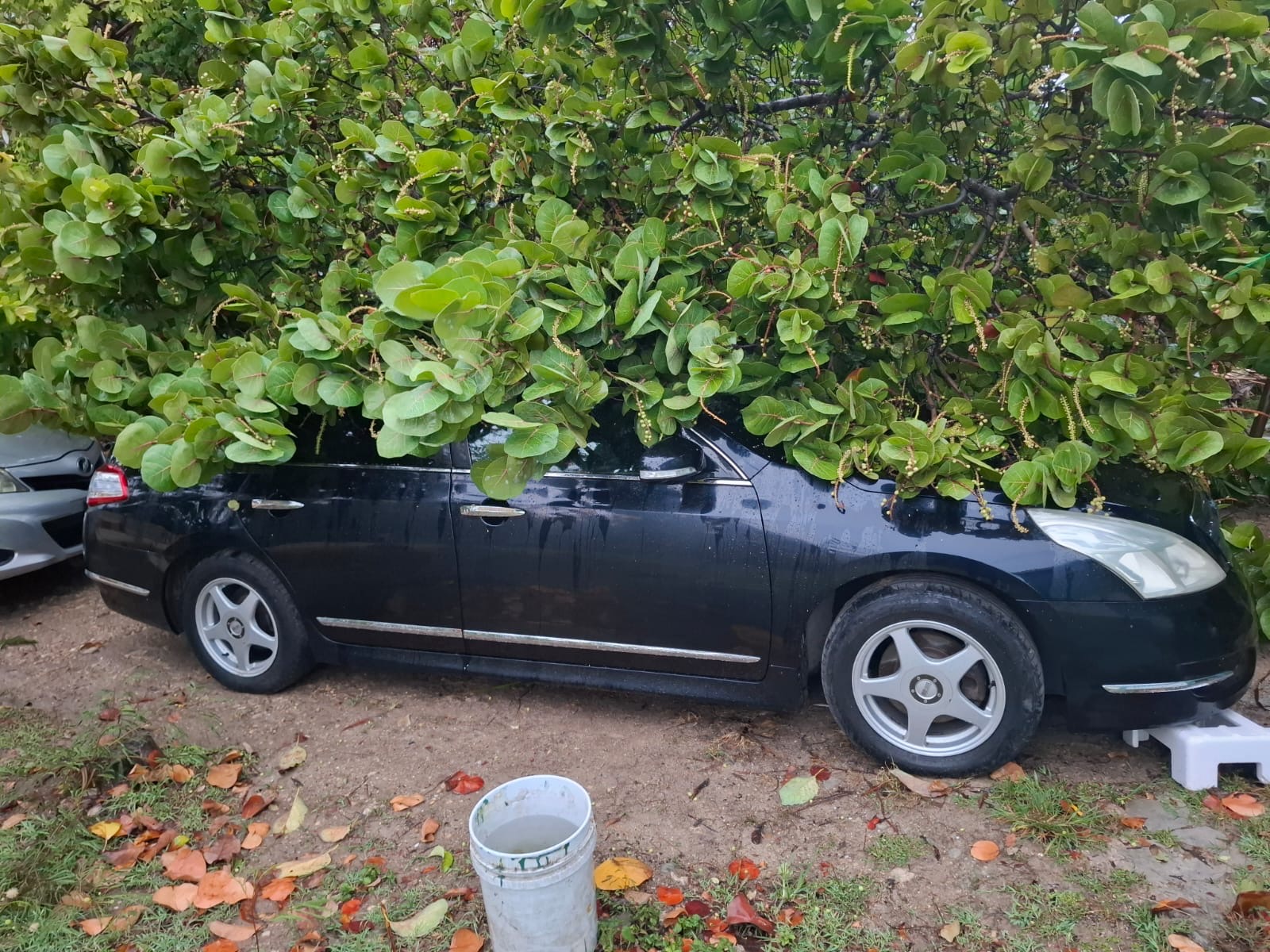
The remnants of former tropical cyclone Dolly swept across Antigua and Barbuda over the weekend, bringing heavy downpours and gusty winds that left a trail of minor disruption across parts of the island nation. As local emergency management agencies assessed the damage in the storm’s wake, only limited impacts have been confirmed: a small number of fallen trees and downed power lines have blocked stretches of roadway in the New Winthropes and Barnes Hill communities, and a handful of vehicles suffered minor damage from debris. Notably, no official reports of flooding have been received by authorities, preventing the more severe destruction that often accompanies post-tropical storm systems.
Data from the Antigua and Barbuda Meteorological Service shows that total rainfall from the system ranged between 1 and 2.5 inches across affected areas between Saturday and Sunday. Looking ahead, forecasters are predicting a 30% probability of rainfall for Monday evening, with additional shower activity possible later this week. In response to this ongoing uncertain outlook, officials have issued guidance for residents living in low-lying or historically flood-prone areas to maintain constant vigilance over conditions around their properties.
The National Office of Disaster Services (NODS) has used the passing of Dolly’s remnants to reissue critical public reminders: Antigua and Barbuda remains in the heart of the Atlantic hurricane season, and all residents must maintain a constant state of emergency preparedness. NODS advises households to stock up on essential emergency supplies, including non-perishable canned goods, potable water for drinking and daily use, battery-powered radios, flashlights, extra batteries, and other critical survival items. Homeowners are also encouraged to inspect and reinforce vulnerable entry points such as windows and doors to withstand future storm systems.
Residents have also been instructed to stay connected to local media outlets to receive real-time weather updates, confirm the location of their nearest official emergency shelter ahead of any future hazards, and check on at-risk members of their communities, including elderly residents, people living with physical disabilities, and those with chronic mental health conditions. The 202X Atlantic hurricane season is scheduled to officially conclude on November 30, meaning more than two months of active storm risk remains for the Caribbean island nation.