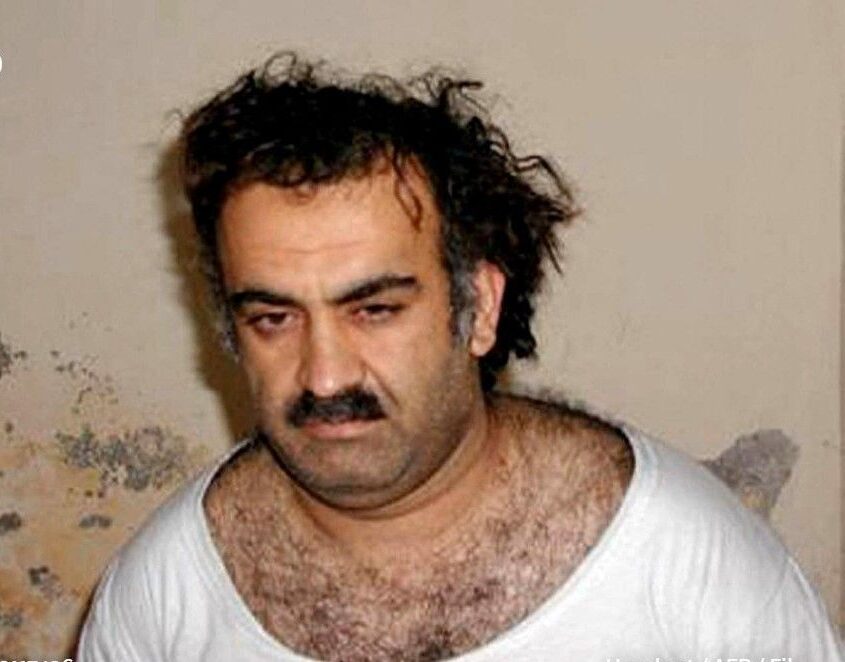
Nearly 27 years after the deadliest terrorist attack on U.S. soil, the alleged chief architect of the September 11, 2001 strikes has finally received a confirmed trial date. Khalid Sheikh Mohammed, widely known by his initials KSM, is set to face a U.S. military tribunal starting June 5, 2028, marking the end of a years-long saga of procedural hold-ups that have stretched on for nearly two decades.
KSM’s journey to trial began in March 2003, when counterterrorism operatives captured him in Rawalpindi, Pakistan. For the first three years of his detention, he was held in a network of undisclosed black sites run by the U.S. Central Intelligence Agency, a period that would later spark widespread controversy over alleged torture and abusive interrogation tactics. In 2006, he was transferred to the U.S. military detention facility at Guantanamo Bay, Cuba, where he has remained in custody ever since.
What should have been a swift path to justice has instead become a case study in systemic delay. Proceedings have been pushed back repeatedly over the years due to a raft of legal challenges, political shifts, and procedural disputes. Most recently, a negotiated plea deal that would have spared KSM the death penalty in exchange for a guilty plea was scrapped entirely by federal officials last year, reopening the entire case and forcing scheduling back to the drawing board.
Notably, KSM has already openly admitted to his role in coordinating the 2001 attacks. In past statements, he claimed he planned the strikes “from A to Z”, taking full responsibility for the plot that killed nearly 3,000 people. On that fateful September morning, four teams of al-Qaeda hijackers seized four commercial passenger jets, crashing two into the twin towers of the World Trade Center in New York City, one into the Pentagon building outside Washington, D.C., and the fourth into a rural field in Somerset County, Pennsylvania after passengers attempted to storm the cockpit.
Beyond the 2001 attacks, KSM has also claimed responsibility for participating in two other high-profile attacks targeting U.S. interests: the 1993 truck bombing that killed six people and injured hundreds at the World Trade Center, and the brutal kidnapping and murder of Wall Street Journal journalist Daniel Pearl in Pakistan in 2002.
The 2028 trial date brings a measure of long-awaited closure to families of the September 11 victims, many of whom have waited decades for a final legal resolution to the case. It also comes as the U.S. military justice system at Guantanamo Bay continues to face ongoing scrutiny over its slow pace and procedural irregularities.