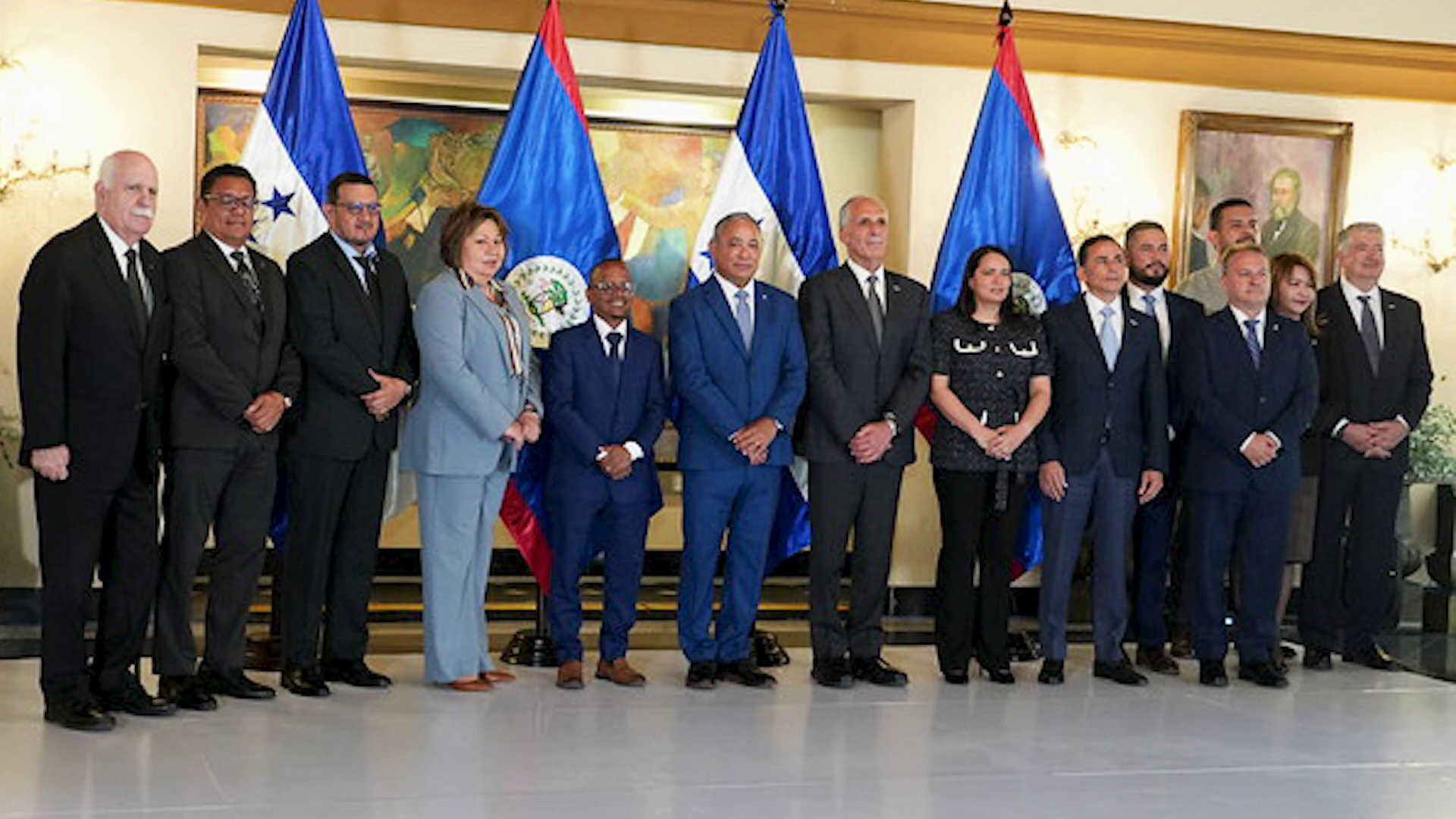
Across Central America, shared healthcare workforce challenges are pushing neighboring nations to explore collaborative solutions, with Belize and Honduras the latest to advance cross-border cooperation in the medical sector. During an official state visit led by Belizean Prime Minister John Briceño to Honduras in late August 2026, Belize’s Minister of Health and Wellness Kevin Bernard tabled a proposal for a bilateral medical exchange memorandum of understanding (MOU), building on a 1995 existing agreement between the two countries that covers cultural and educational exchanges.
Unlike one-sided recruitment arrangements that target medical workers from lower-resource nations, the proposed partnership is designed as a mutual exchange that addresses shared pain points: both Belize and Honduras face critical shortages of skilled healthcare personnel, a systemic challenge that impacts nearly all countries across the Central American region. For Belize, the arrangement would create structured pathways for the country’s medical graduates to complete residency training in Honduras’ established medical education system, while creating opportunities for knowledge sharing and specialized skills development that are harder to access domestically. For Honduras, the partnership would similarly open doors for its own healthcare professionals to gain experience and insights from Belize’s healthcare system, creating reciprocal benefits for both sides.
Bernard explained that the proposed exchange would go beyond simple workforce movement, enabling the two countries to share clinical expertise, deliver joint specialized training programs, and expand access to advanced medical services for patients in both nations. At this early stage of negotiations, formal talks between technical working teams from both health departments have not yet been scheduled, as policymakers focus on framing the parameters of the partnership before advancing to detailed implementation planning. Bernard noted that discussions are still in the preliminary phase, with leaders working to align on how the program will operate to strengthen healthcare delivery for populations on both sides of the border.
This initiative reflects a growing regional trend of neighboring countries collaborating to address common healthcare workforce challenges, rather than pursuing individual, zero-sum solutions that leave lower-resource nations further disadvantaged. By framing the partnership as a mutual exchange rather than one-way recruitment, leaders are aiming to create a sustainable model that strengthens health systems across the region.