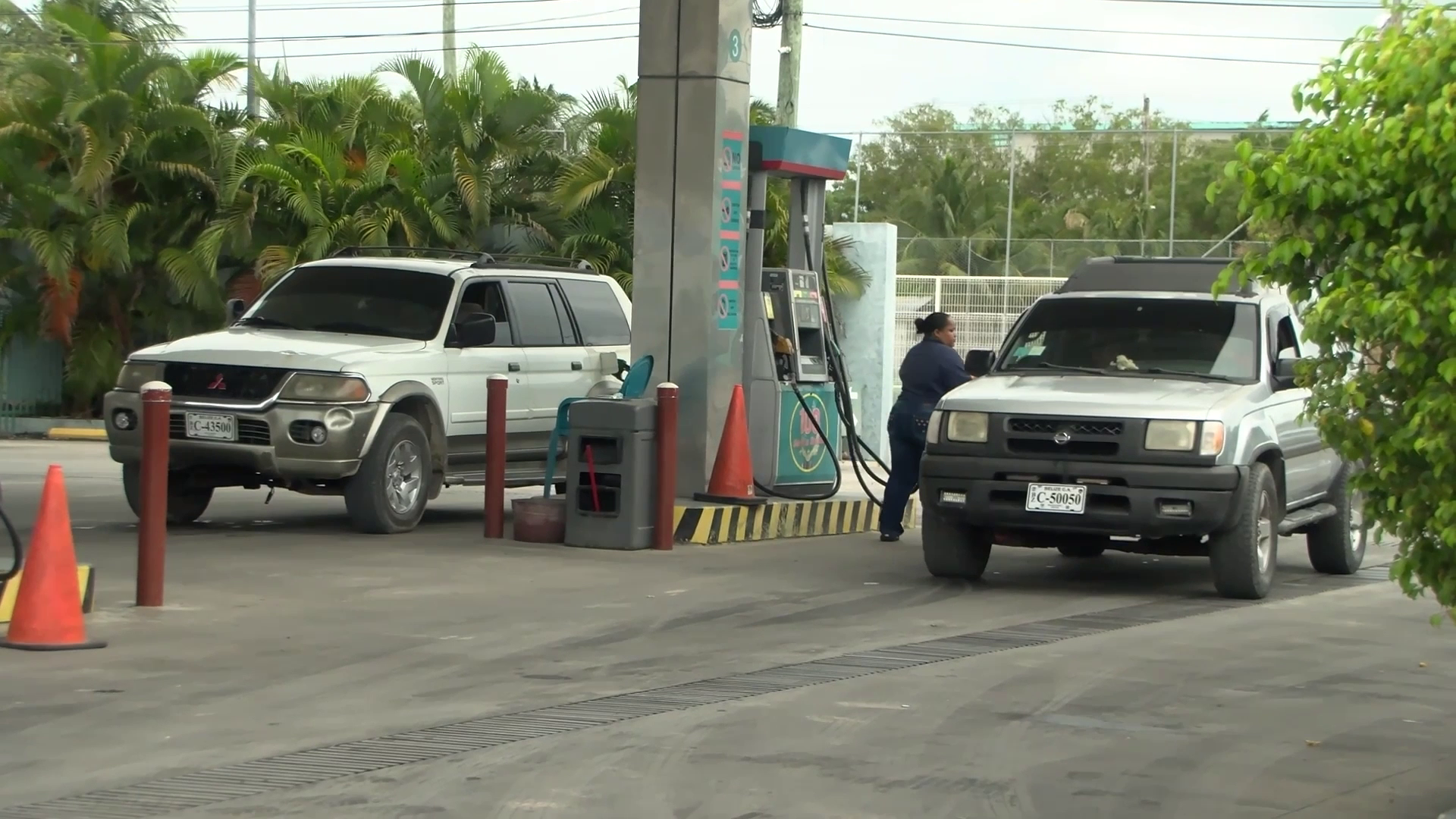
As of August 27, 2026, Belize is grappling with an unprecedented fuel price crisis that extends far beyond higher costs at gas pumps, rippling through every corner of the nation’s economy and squeezing both businesses and consumers. Diesel prices already exceed $14 per gallon, with another hike scheduled to take effect midnight after this reporting date, pushing premium fuel above $15 per gallon and some diesel grades as high as $16. This steep increase has left operators across agriculture, transportation, tourism and fisheries forced to make difficult financial decisions to keep their doors open.
The first public eruption of frustration over rising fuel costs came in April 2026, when members of the Belize Bus Association (BBA) blocked the Phillip Goldson Highway, halting cross-country traffic to protest unsustainable operating costs. Just one week before this report, commuters narrowly avoided a second major work stoppage after BBA leaders renewed their demand for government fuel subsidies. While the association has granted the government additional time to review the request, core grievances remain unaddressed. Ferland Gilharry, a BBA representative, emphasized in a March 2026 statement that the current price regime has created an existential crisis for small independent bus and school bus operators, who only ask for a fair and level competitive operating environment.
Critics point to steep government taxes as a major contributor to sky-high retail prices. Sheena Pitts, chair of the United Democratic Party, noted that when diesel hit $14.55 per gallon in March 2026, government taxes alone accounted for $3.68 of that per-gallon cost. She stressed that the impact of high fuel does not end at the gas station: every sector from agriculture to fisheries to logistics pays the premium, and the added expense is ultimately passed along to ordinary Belizean households.
As one of the pillars of Belize’s national economy, accounting for roughly half of the country’s total GDP, the tourism industry is facing particularly acute pressure. Reynaldo Malik, president of the Belize Hotel Association, reports that fuel costs have jumped nearly 30% in recent months, hitting hotel operators hard. Many properties rely on fuel-powered shuttles to transport guests, and off-grid resorts depend on diesel-powered generators for 24-hour electricity, meaning their energy expenses have skyrocketed alongside pump prices.
Alina Saldivar, owner of Island Magic Beach Resort and Island Magic Villas on Caye Caulker, explains that the island’s geographic isolation amplifies fuel costs dramatically. Everything from food and hospitality supplies to laundry services must be transported to the island by boat, requiring multiple weekly trips to the mainland. Saldivar says businesses have been left with no option but to pass higher costs through to consumers, already forcing hikes to menu prices as combined inflation for fuel, electricity and wholesale supplies continues to climb.
The nation’s struggling sugar industry, already reeling from the lowest cane yields recorded in more than 30 years, has been hit with another blow from rising fuel costs. Alfredo Ortega, vice chair of the Belize Sugar Cane Farmers Association, says diesel above $16 per gallon has gutted already thin profit margins. Every step of cane production — from field maintenance to harvesting to transporting harvested cane to processing mills — depends on fuel, so price increases push up all operating costs even as cane selling prices remain stagnantly low.
Industry leaders across sectors warn that the ripple effects of the fuel crisis are already widespread, inflating costs along every supply chain and putting consistent pressure on household budgets. Without policy intervention to address the price surge, stakeholders emphasize that ordinary consumers will continue to bear the full weight of the ongoing crisis.