As a rapidly strengthening El Niño event paves the way for potentially catastrophic climate extremes across the Caribbean basin, regional climate scientists are issuing urgent calls for accelerated preparedness to face the coming months of worsening heat and parched conditions.
In an official press statement, the Barbados-based Caribbean Institute for Meteorology and Hydrology (CIMH) outlined that the period between August and October marks the annual peak of the region’s heat season. This timing makes the already unfolding dry conditions far more worrying, as the region heads into its regular climatological dry season that typically kicks off in November.
CIMH climatologist Dr. Cedric Van Meerbeeck explained that El Niño strengthened far faster than expected over the early months of 2026, jumping from a weak event in May to a moderate event by the end of July. Current climate projections now point to a very strong El Niño taking hold between October and December 2026, with the event likely to linger and maintain its influence through at least March 2027.
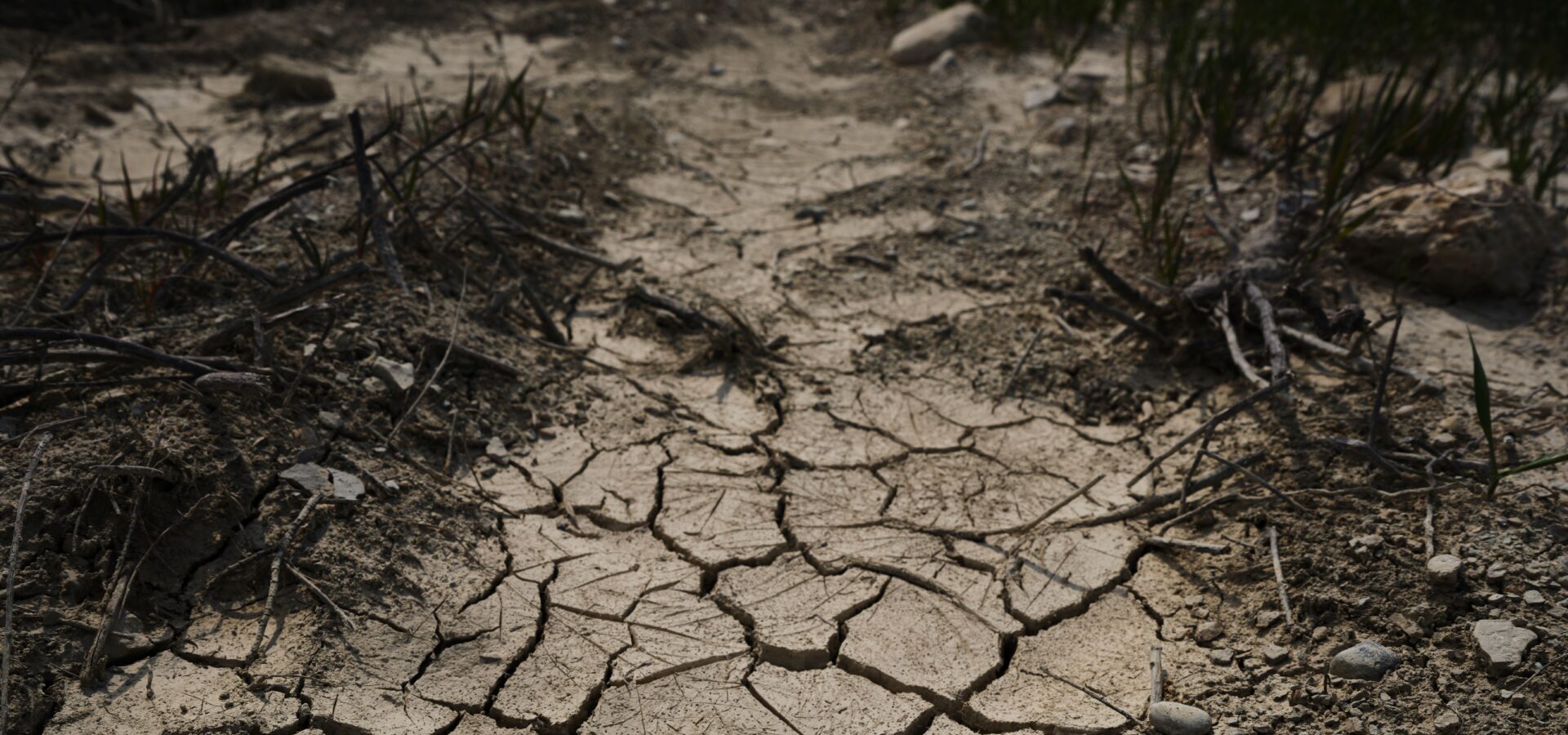
The official outlook projects widespread below-average rainfall across a huge swathe of the Caribbean, stretching from the Guianas, through the Lesser Antilles, and north into the Greater Antilles. This dry stretch will be paired with far more frequent and intense heatwaves than the region normally sees. By late 2026, significant drought conditions are expected to develop across most of the Windward Islands, Leeward Islands, and the ABC Islands (Aruba, Bonaire, Curaçao), as well as portions of Jamaica, Hispaniola, and the Bahamas. These harsh conditions are forecast to continue into the first months of 2027, bringing growing risks of crippling water shortages and out-of-control wildfires.
Historical climate data confirms that strong El Niño events are strongly tied to severe drought in the Caribbean, including the devastating dry periods of 2009–2010 and 2014–2016. Past events have also triggered dangerous extreme humid heat, widespread wildfires, and marine heatwaves that cause mass coral bleaching across the region’s fragile reef ecosystems. Similar overlapping climate impacts were recorded during the global record hot years of 2010, 2023, and 2024.
While El Niño is typically linked to a less active Atlantic hurricane season, Dr. Van Meerbeeck stressed that tropical cyclone risk cannot be dismissed. He pointed to 2015’s Tropical Storm Erika, which became one of the worst natural disasters in Dominica’s history. The storm caused catastrophic flooding and deadly landslides across the island even without making a direct landfall, proving that significant storm hazards remain even during El Niño years.
Professor Michael Taylor, co-director of the University of the West Indies’ Centre for Sustainable Development and Climate Change Management, noted that the early warning signs from earlier this year are already coming to fruition. “The risks signalled by the science earlier this year are now beginning to materialise. We are seeing an emerging climate disaster whose impacts combine heat, drought, and marine extremes. Unlike a hurricane, the impacts will continue to build over months. However, that should not lessen the urgency or scale of our preparations. We must respond to the unfolding slow-moving crisis with the seriousness we bring to other major climate threats, since what we do now determines the options available to us later.”
Regional climate experts warn that the prolonged El Niño conditions will ripple through nearly every sector of the Caribbean economy and society. Key vulnerable areas include agriculture, national food security, public health, potable water supplies, energy infrastructure, the critical tourism sector, and cross-regional supply chains. Rain-fed smallholder agriculture in Belize and Jamaica is identified as a particularly high-priority area of concern.
CIMH principal Dr. David Farrell emphasized that ongoing access to and use of up-to-date climate data is critical to guiding adaptive decision-making across the region. “Proactive measures are vital for mitigating the impacts of extreme weather events on climate sensitive sectors, communities, and national economies,” he said.
To support preparedness efforts, CIMH is urging national governments, local businesses, and community groups to follow the monthly updates published by the Caribbean Climate Outlook Forum as the region moves toward the overlapping heat and dry seasons, to stay informed of changing conditions and adjust plans accordingly.