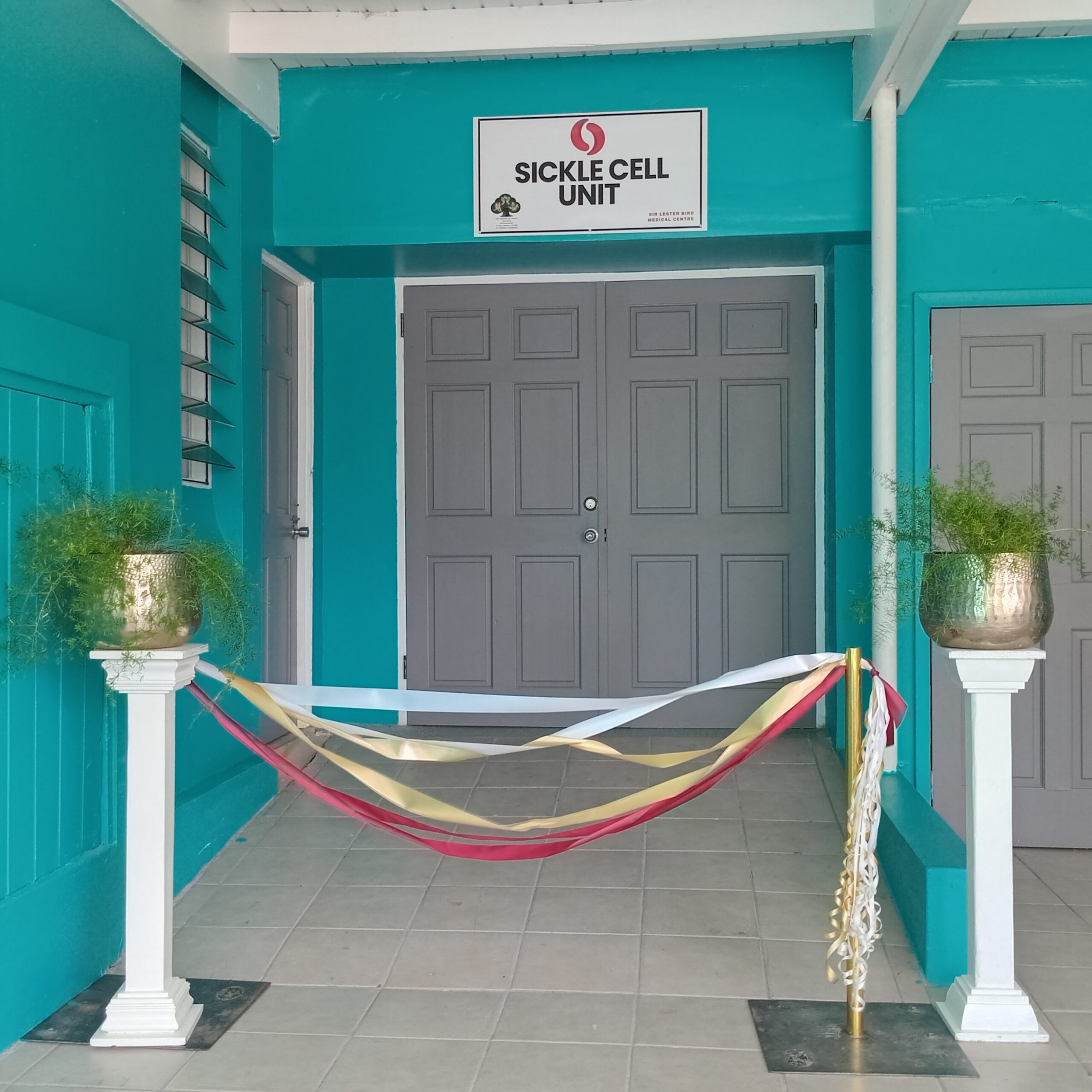
Antigua and Barbuda’s newly launched specialized Sickle Cell Unit has notched a major milestone in its very first week of operations, with five people living with sickle cell disease completing treatment and returning home the same day they arrived. The facility, which officially opened its doors this Monday at the site of the former Holberton Hospital compound, is already delivering on its promise to transform care for local sickle cell patients, according to Health Minister Michael Joseph.
Speaking on the local Browne and Browne Show, Joseph detailed the unit’s first successful cases: all five patients accessed the facility for care on Wednesday, received full outpatient daytime treatment, and were cleared to leave by 5 p.m. None required an overnight stay at the main public tertiary facility, Sir Lester Bird Medical Centre, a shift that marks a stark departure from how these cases were handled previously.
Before the dedicated unit opened, any sickle cell patient experiencing a crisis had no option but to seek care through Sir Lester Bird Medical Centre’s emergency department. Joseph noted that the emergency department’s cold air conditioning often worsened patients’ symptoms, triggering more severe sickle cell crises before treatment could even begin. By the time clinicians started intervention, many patients’ conditions had already deteriorated enough to require mandatory hospitalization.
For patients, this often meant two to three weeks of inpatient care, a strain that extended beyond individual suffering to the broader public health system. With just 190 beds available across Sir Lester Bird Medical Centre, extended stays for sickle cell care added significant pressure to an already overstretched facility, worsening emergency department congestion and leaving fewer beds available for other patients needing urgent care.
The new specialized unit is a core component of the government’s broader public health strategy designed to cut emergency department overcrowding, free up critical inpatient bed space, and dramatically improve quality of life for people living with sickle cell disease. Joseph explained that the dedicated facility allows patients to receive prompt, targeted care without unnecessary hospitalization, getting them back to daily function far faster than the old care model.
What makes this launch particularly notable is that plans for a dedicated sickle cell unit have been in discussion for nearly 15 years. The proposal finally moved forward after government officials held productive consultations with sickle cell patients and leading local medical professionals, including Dr. Edda Hadeed and Dr. Belle Jarvis, who pushed for the specialized care space.
Joseph also highlighted that the need for a dedicated unit has grown more urgent in recent years due to shifting environmental conditions. Changing weather patterns, annual influxes of Saharan dust, sulfur released from sargassum seaweed blooms, and more frequent temperature extremes have all contributed to a steady rise in emergency department visits from sickle cell patients experiencing exacerbated symptoms, making the new facility a timely addition to the country’s public health infrastructure.