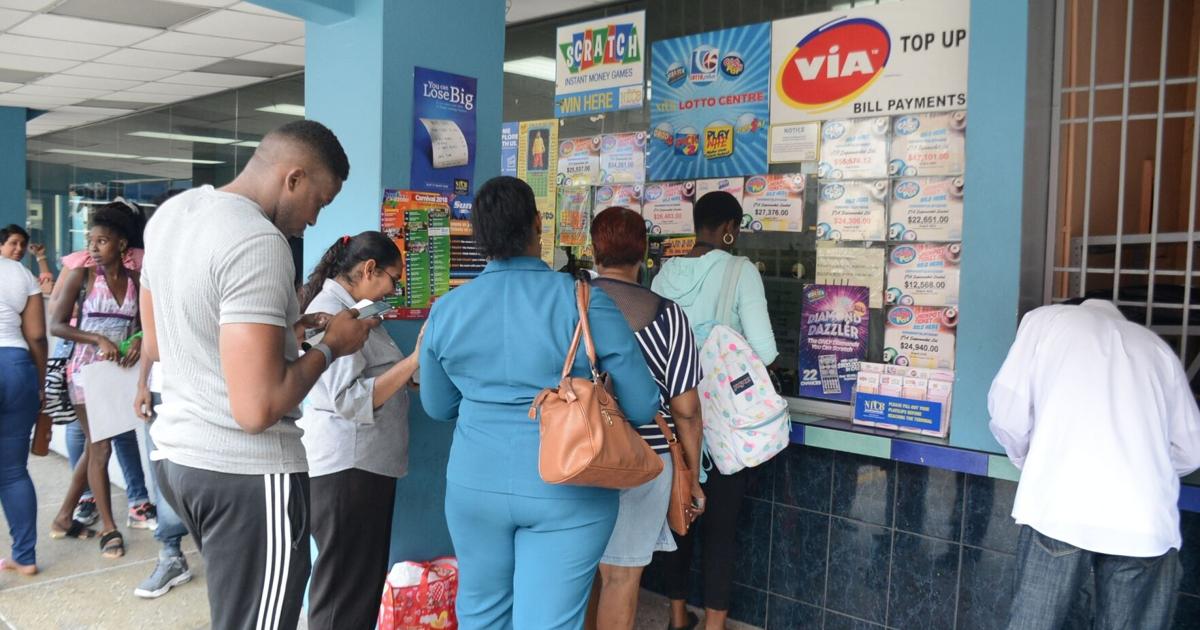
A heated debate has emerged in Trinidad and Tobago’s gaming industry over a proposed plan from the National Lotteries Control Board (NLCB) to add a third weekly Lotto draw, with industry leaders and local booth operators holding starkly opposing views on the potential impacts of the change. The discussion was triggered after NLCB chairman Ken Emrith revealed over the weekend that the regulatory board was actively considering launching the additional draw to reshape its weekly Lotto offering. The president of the Electronic Lotto Agents Association of Trinidad and Tobago, Allen Campbelle, has emerged as the most prominent critic of the plan, arguing that the policy will fail to deliver the increased revenue the NLCB is targeting.
Campbelle explained that consumer participation in Lotto is driven almost entirely by the size of the jackpot, rather than how often draws are held each week. “Having three draws on Lotto wouldn’t create an increase in sales for the NLCB,” he stated. “The motivation in the Lotto is not the number of days — it’s the quantum of the jackpot that attracts gamblers.” Beyond failing to lift total revenue, Campbelle warned that an extra weekly draw would actually cannibalize sales of the NLCB’s other existing gaming products, leaving the board with no net gain in overall income. The proposal also offers no benefits to licensed Lotto agents, he added, directly rejecting claims that more frequent draws would boost agent earnings.
Not all stakeholders share Campbelle’s skepticism, however. Erica Holder-Ali, the owner of a Tunapuna Lotto booth that just sold a winning $24 million Quick Pick ticket over the weekend, says she welcomes the idea of a third weekly draw. Fresh off celebrating the high-profile win at her El Dorado Road location, Holder-Ali argued that an extra draw would draw more casual participants into Lotto play overall. Her booth is already viewed as a local community hub, with a history of producing big wins including a prior prize in the Big Ride game. The recent $24 million jackpot has already cemented its reputation as a “lucky spot,” and Holder-Ali says more players are already expected to visit to take their chance at a win. She noted that her own sales have historically risen alongside growing jackpots, as more players are motivated to buy tickets when potential payouts climb.
Beyond opposing the third draw, Campbelle says the NLCB should refocus its efforts on a far more impactful issue plaguing the local gaming industry: unregulated illegal gambling. He claims that cracking down on illegal Play-Whe operations would deliver far larger revenue gains for the NLCB than adding an extra draw. Campbelle revealed that his association previously served on an NLCB illegal gaming committee, and based on data collected during that work, the group estimates illegal gambling generates roughly $23 billion annually in unreported activity that siphons revenue away from the regulated market.
Campbelle also aired longstanding grievances about the NLCB’s engagement with licensed agents. He said the association has compiled a list of critical concerns about the state of the local gaming industry, but the NLCB has refused to schedule a meeting after requesting that the association submit its full membership records. Campbelle contends that the organization is not a union, and therefore has no obligation to turn over that internal information to the NLCB.