In a strategic move that underscores its ambition to balance diplomatic and economic ties with the world’s two largest technological powers, the Brazilian government has announced a 2.3 billion Brazilian reai (approximately $444 million) investment to expand and strengthen the country’s domestic artificial intelligence ecosystem. The initiative, which splits development work between leading firms from the United States and China, aligns with Brazil’s stated goal of avoiding overreliance on any single tech supplier or global power.
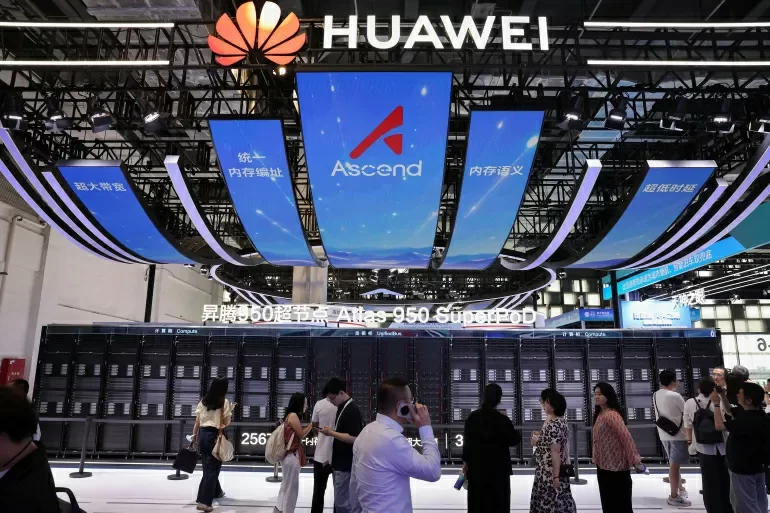
More than half of the total budget – 1.3 billion reais ($251 million) – has been allocated to a supercomputer infrastructure project based in Rio de Janeiro, developed in partnership with Chinese tech giants Huawei Technologies and iFlytek. This facility will prioritize the creation of large language models designed for both general use and industry-specific applications across Brazil’s growing digital economy. The partnership with Chinese firms is scheduled to launch operations in July 2027.
The remaining 1 billion reais ($193 million) will be allocated via public tender to develop a second supercomputer in the northern state of Rio Grande do Norte, a location selected for its abundant flexible energy capacity needed to power high-performance computing. Officials project this machine will rank among the 10 most powerful AI processing systems on the planet once it goes live, which is expected by the end of 2025. President Luiz Inacio Lula da Silva attended the official project announcement in the region last Thursday.
Multiple government sources, speaking on condition of anonymity to Reuters, and Brazil’s Science and Technology Minister Luciana Santos have both indicated that U.S. chipmaking leader Nvidia is widely expected to win the tender for the Rio Grande do Norte supercomputer. Santos confirmed this expectation in an interview with local newspaper Folha de São Paulo last week.
Brazilian authorities have emphasized that the split allocation strategy is intentional, designed to protect national data sovereignty and prevent dependence on technology from a single country or corporation. The geopolitical balancing act reflects Brazil’s current economic landscape: China, a global leader in AI development, is Brazil’s largest trading partner, while the United States remains the top source of foreign direct investment in the country, even as it has lost trade market share and imposed recent tariffs on Brazilian imports.
Funding for both projects comes from Brazil’s National Fund for Scientific and Technological Development (FNDCT), and investment will be released in phased installments aligned with project milestones.