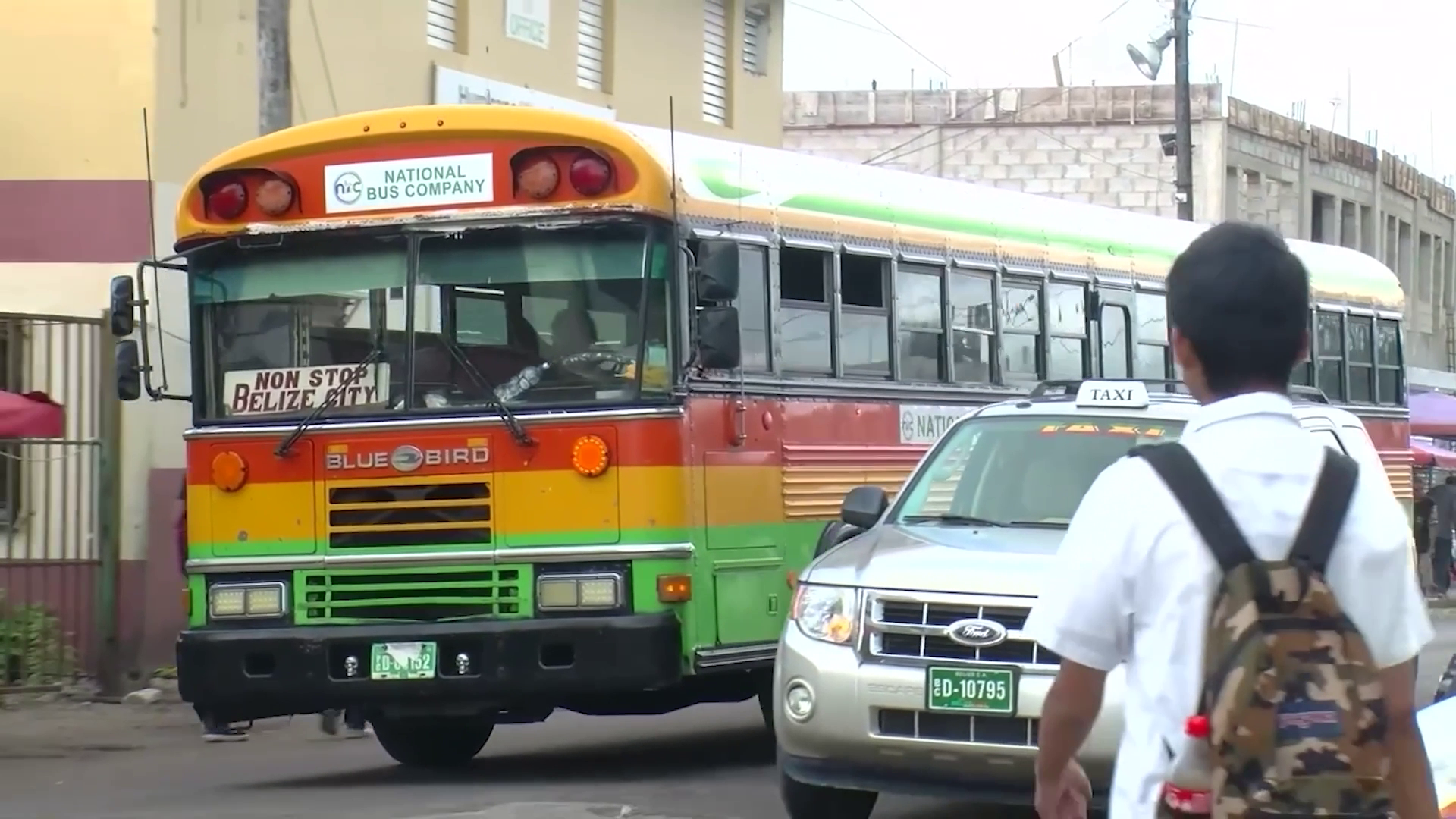
In a strategic move to reshape the country’s public transportation sector, the government has announced a revised investment framework for the newly launched National Bus Company (NBC), with an ambitious sustainability target: replacing the entire fleet with fully electric buses by the end of 2027.
Originally, the government planned to transfer ownership of 20 million dollars worth of existing bus terminals to the new public entity. Under the revised plan, Cabinet will instead lease these public assets to NBC, and build the government’s stake in the company through the purchase of new zero-emission buses over the next two years. The shift in investment strategy was outlined by Transport Minister Dr. Louis Zabaneh, who detailed the rationale behind the decision to pursue a public-private partnership (PPP) model instead of full nationalization of the fragmented bus sector.
Dr. Zabaneh explained that full nationalization would have imposed a far heavier financial burden on public coffers. Independent valuations of the 17 existing private operators that have already joined NBC, with one additional operator set to join imminently and four more in the pipeline, put the total compensation cost for these entities at just over 19 million dollars. Extrapolating this valuation to cover all private bus operators across the country would have required 25 million dollars in government spending to buy out all private stakeholders – a cost the government chose to avoid through the PPP structure.
Crucially, the minister emphasized that all participating private operators joined the partnership voluntarily. “You have not heard anybody come in the media who are members of the NBC to say that their hands were twisted to be a member of the NBC,” Dr. Zabaneh noted, pushing back against potential speculation of forced consolidation in the sector.
Beyond the transition to electric vehicles, NBC has already laid out its next major infrastructure upgrade: rolling out a unified electronic ticketing and payment system that will modernize fare collection and improve convenience for riders across the network.
This restructuring marks a major shift in the country’s public transportation landscape, balancing public oversight of a critical public service with private sector participation, while prioritizing climate action through a rapid transition to zero-emission public transit.