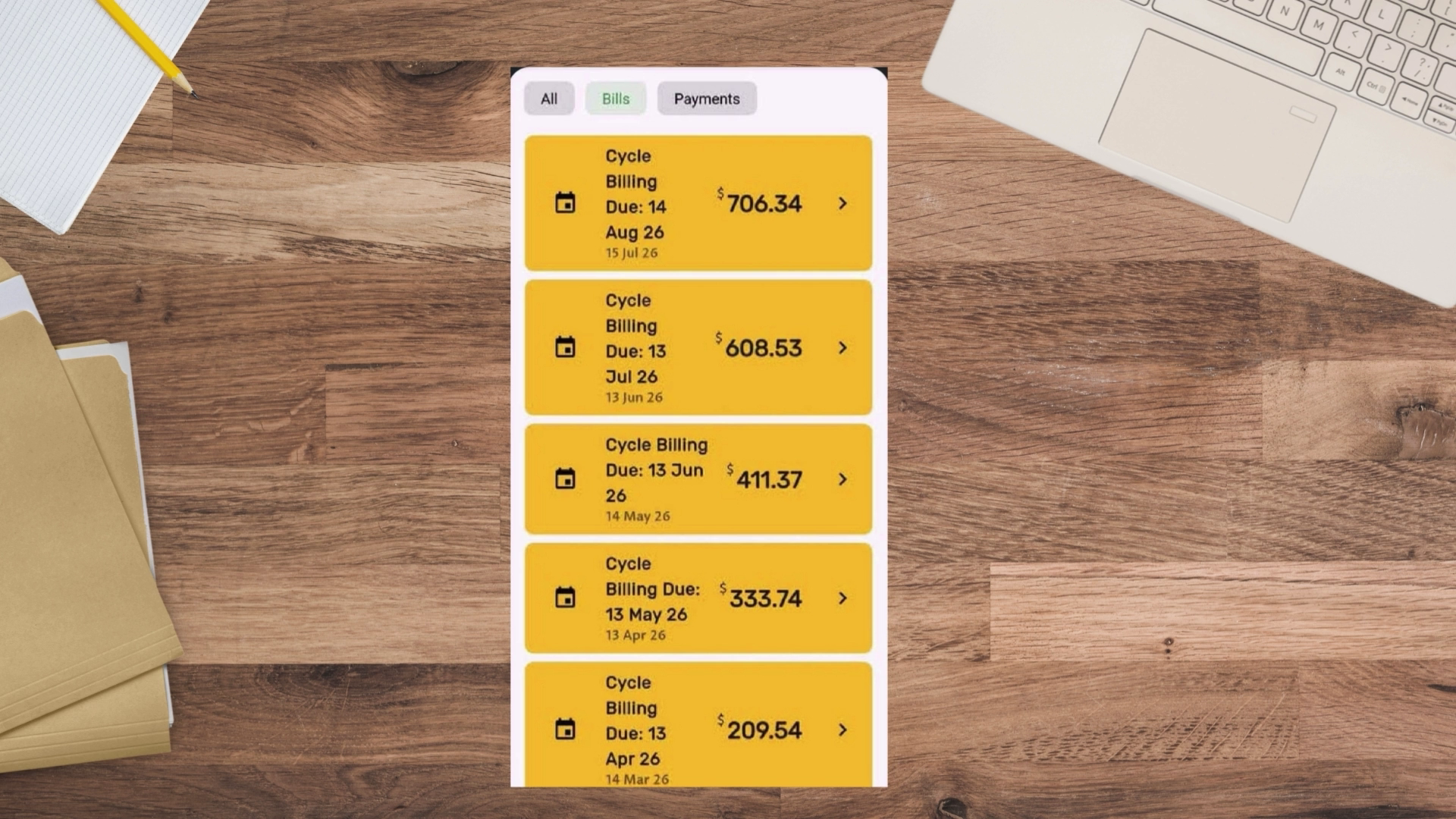
As Belize continues to grapple with a cripplingly high cost of living, a sudden sharp spike in residential electricity tariffs has pushed thousands of households further into financial distress, prompting top government officials to launch a public inquiry into the price hike.
On August 21, 2026, Prime Minister John Briceño confirmed that he has formally instructed Michel Chebat, the country’s Minister of Public Utilities, to convene urgent talks with top leadership from Belize Electricity Limited (BEL) — the national power utility — and the Public Utilities Commission (PUC), the independent regulatory body overseeing the sector. Following these closed-door discussions, Briceño mandated that both agencies must present their findings directly to the public and media no later than early next week, to clarify the root causes of the unexpected tariff increase that has left many Belizeans unable to cover their monthly energy costs.
In an interview, Briceño emphasized that he shares the public’s deep frustration over soaring power prices, noting that the affordability of basic utilities has become one of the most pressing challenges facing households across the country. He acknowledged that external global pressures have placed unavoidable strain on the nation’s energy market: the government retains control over domestic tax policy, which it has not raised to offset higher costs, but has little influence over international fuel prices and the cost of imported goods that feed into energy generation expenses. Despite these constraints, Briceño stressed that the administration has already implemented every feasible measure to ease the financial burden on ordinary citizens.
The recent price adjustment, which adds one and a half cents per kilowatt-hour to consumer bills, was formally approved by the PUC in a recent ruling. Briceño explained that the government had pushed aggressively to delay the increase for as long as possible, but ultimately accepted that the adjustment was unavoidable amid a growing domestic energy crisis.
The core of the crisis stems from a significant energy shortage during peak daily usage hours, when BEL is forced to purchase supplementary power from external suppliers at rates far higher than what it charges consumers. Currently, the utility pays as much as one U.S. dollar per kilowatt-hour for this emergency power, but sells it to domestic customers for just 40 to 42 Belizean cents — a gap that forces BEL to operate at a steep loss, even before accounting for transmission and infrastructure maintenance costs. Briceño noted that the government has capped price increases for months to protect consumers, but the unsustainable losses eventually made a small adjustment unavoidable.
Looking ahead, Briceño highlighted a potential path to long-term relief that grew out of an energy emergency declaration the government issued several months prior. In recent meetings with BEL’s Executive Chairman Ambassador Young and senior energy ministry officials, utility leaders confirmed that the emergency framework has cleared the way for new independent power producers to enter the Belizean market and expand domestic generation capacity. Briceño projected that within six to 12 months, four to five new generation projects will come online, cutting BEL’s annual operating costs by an estimated $28 million in the first year alone. While he cautioned that expanding energy infrastructure requires time and cannot deliver immediate relief to households struggling with current bills, the projected cost savings are expected to create conditions for more stable, affordable power prices in the near future.
This report is adapted from a transcript of an evening television newscast, with all local Kriol-language commentary transcribed using a standardized spelling system for accessibility.