Public transportation providers across Antigua and Barbuda are intensifying calls for comprehensive fare increases, arguing that skyrocketing costs for fuel, vehicle maintenance, insurance, and new buses have eroded profit margins to unsustainable levels.
Glenn Miller, a former president of the Antigua and Barbuda Bus Association who currently runs the route connecting St. John’s to Jolly Harbour, outlined that operators are seeking a fare increase of between 50 and 75 Eastern Caribbean dollars cents on all service routes. Miller highlighted that the sticker price of new transit buses has surged dramatically over the past decade: a model that retailed for roughly $80,000 in 2014 now costs approximately $190,000. This steep jump in capital costs is paired with across-the-board increases in every other major operating expense, he added.
According to Miller, negotiations over a necessary fare adjustment have dragged on for roughly two years with senior officials including Transport Board manager Hubert Jarvis and Tourism Minister Charles “Max” Fernandez, but no binding agreement has been finalized to date. Current fares sit between $2.25 and $3.75 per trip, and Miller explained that even a fully loaded bus only generates around $42 in revenue before deducting fuel and other mandatory operating costs.
Drivers based at both the islands’ West and East bus terminals echoed this frustration, noting that base fares have remained largely stagnant for more than 20 years, even as costs for spare parts, insurance coverage, and routine maintenance have climbed steadily. Operators also pointed to the elimination of a temporary Covid-19 pandemic fuel subsidy as an extra financial strain that has pushed many small bus owners closer to breaking point.
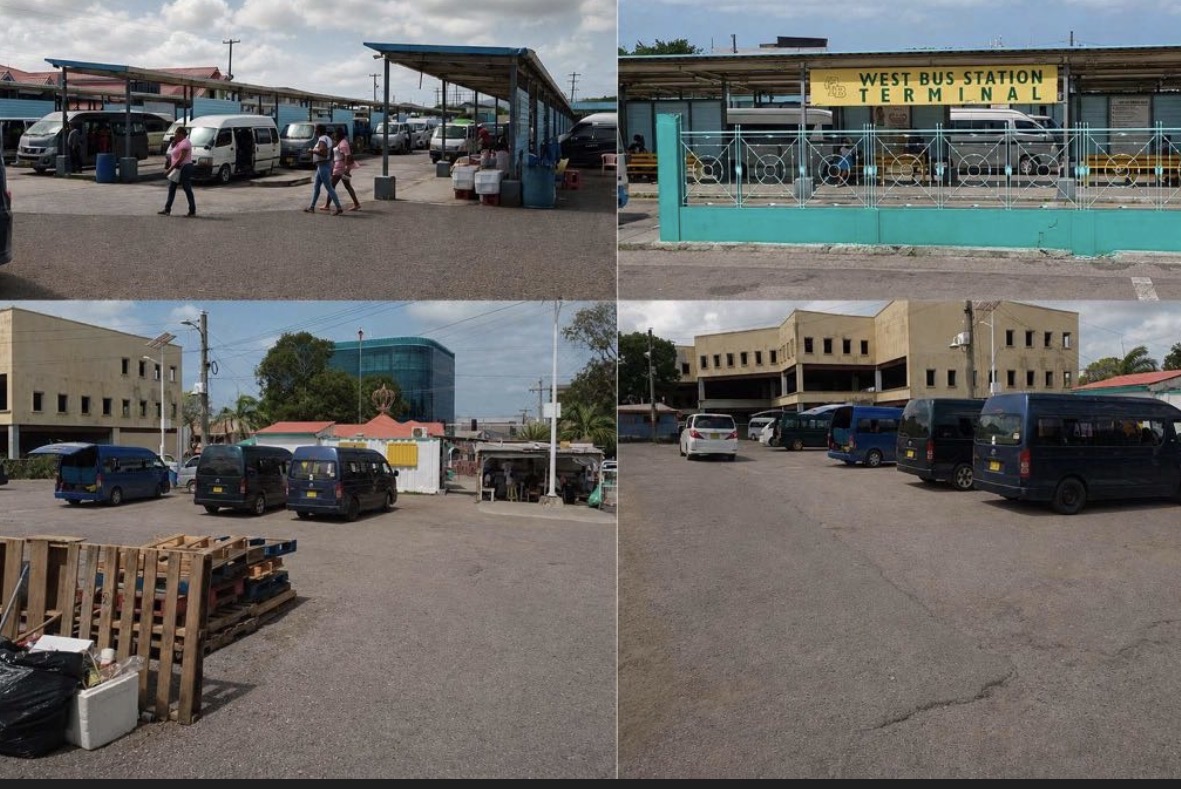
Beyond the fare debate, operators at the West Bus Station have raised separate, longstanding complaints about the poor condition of the terminal itself. The facility lacks adequate passenger shelter, functional bathroom amenities, and dedicated space for drivers to rest or perform basic cleaning on their vehicles. Operators are also demanding transparency around how the $5 daily entrance fee charged to each bus using the terminal is allocated and spent. Miller noted that around 140 buses pass through the West Bus Station every day, generating thousands of dollars in monthly fee revenue for authorities.
Operators based at the East Bus Station added their own grievances, explaining that they have been forced to operate out of an unimproved open-air lot with no covered terminal structure to protect drivers, passengers, and vehicles from the elements.
Across the industry, bus operators agree that a fare adjustment is no longer avoidable if public transit services are to remain viable in Antigua and Barbuda, as operating costs continue to outpace stagnant fare revenue. Multiple outlets attempted to contact Transport Board manager Hubert Jarvis for an official response to the operators’ demands, but no comment was obtained prior to publication.