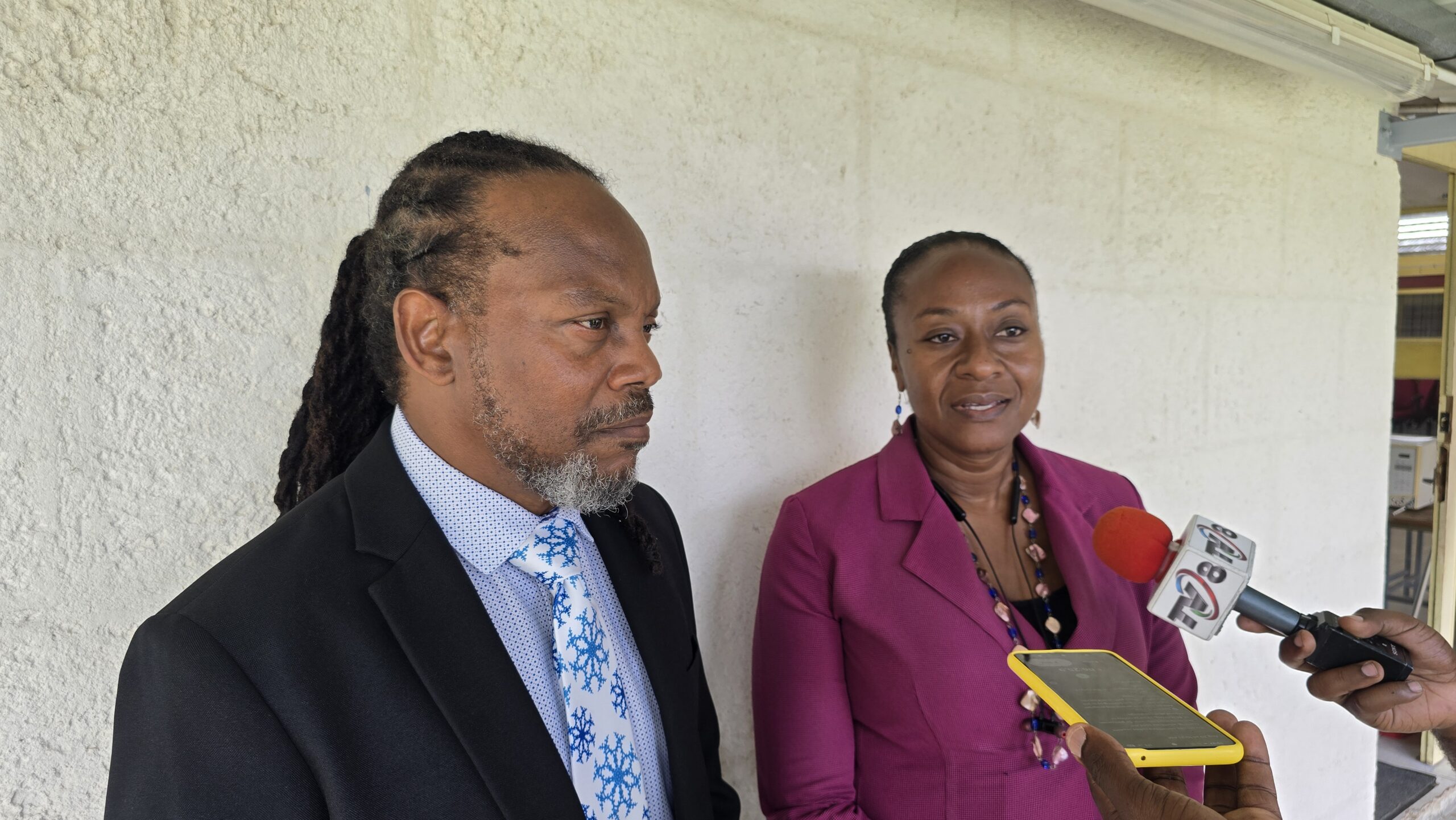
The Barbados Vocational Training Board (BVTB) is grappling with a critical capacity shortage as overall demand for hands-on vocational training continues to outpace available spots, even as the organization struggles to draw younger participants into core construction trade programs. As more than 350 new prospective trainees gathered for an orientation rally at the C. Lomer Alleyne Skills Training Centre in Sayes Court, Christ Church this Thursday, BVTB Training Director Gerard Prescod confirmed that nearly all courses for the upcoming semester have already reached their maximum enrollment limits.
One of the most striking mismatches between demand and demographic participation centers on the board’s popular Construction Gateway initiative, which was designed to prepare a new workforce for Barbados’ growing construction sector. With 1,500 total applicants vying for spots across BVTB programs this intake cycle, Prescod noted that Construction Gateway is overwhelmingly drawing mid-career and older learners, while younger aspiring trainees show little interest in entering construction trades. Instead, younger applicants are gravitating toward other technical fields, including air conditioning repair, refrigeration technology, and general mechanical work.
“Right now, we do not offer electric vehicle (EV) training at BVTB, so interested learners are heading to the Samuel Jackman Prescod Institute for that training,” Prescod explained. “Once we update our curriculum to add EV training, we expect we will be able to attract more of those young applicants to our programs.”
Even as the board works to adapt to shifting industry demand, outdated legal restrictions and limited infrastructure continue to cap how many learners it can serve. A long-standing provision in BVTB’s founding legislation limits class sizes to a maximum of 16 trainees per course, a rule that has not been updated to match current demand. To work around this cap, the organization has partnered with local schools to share underutilized campus facilities, and expanded Construction Gateway classes to off-site satellite locations, allowing it to double enrollment in high-demand trades including masonry, plumbing, and tiling.
BVTB Assistant Director of Training Operations Sophia Moore noted that the organization has operated at full enrollment for years, with only minor shifts in demand for specific programs from year to year tied to broader industry trends. “Some of our most in-demand programs now run multiple sections a year,” she explained. “For example, we now train 32 masonry students annually instead of the original 16. But we still face hard limits from our available facility space, the number of certified trainers we can employ, and our authorized training sites. Even with the satellite sites for Construction Gateway, we still can’t keep up with total demand.”
This semester, the board is reintroducing automotive training and autobody repair programs after a period of adjustment, and the response from applicants has already overwhelmed available spots: 20 learners expressed interest, but only 16 can be accommodated under the existing class size rule. BVTB is also working to update its automotive curriculum to match changes in the regional vehicle market, sending current instructor demonstrators to receive specialized EV training ahead of launching a full program. The organization is also seeking corporate donations of diesel engines to expand training, as its current fleet of training engines is almost entirely gasoline-powered.
Registrar Dr. Cheryl Gibson outlined additional new programs the board has launched to meet evolving industry needs, including a new mini excavator operation program, alongside the recently added autobody repair, painting, and finishing courses. She added that BVTB is also exploring the use of training simulators to enhance the learning experience for trainees across all programs. The board also plans to bring back small-engine repair training in the near future to fill another gap in the local skilled labor market.
Even with these adaptive measures, high demand means hundreds of qualified applicants are turned away each intake cycle. Clerk-typist Shelly-Ann Alexander confirmed that popular programs including skid-steer operation, cosmetology, and international cuisine all had to reject qualified applicants this semester due to lack of space and training capacity.
Prescod emphasized that the most impactful long-term change to address the capacity crunch would be updating the outdated legislation that caps class sizes at 16 learners. “The 16-person limit has been in place since long before I joined BVTB, and it no longer matches the current demand for skilled workers across Barbados,” he said. “Adjusting that rule would let us expand access to the training that so many Barbadians are seeking, and help meet the labor needs of our growing key industries.”