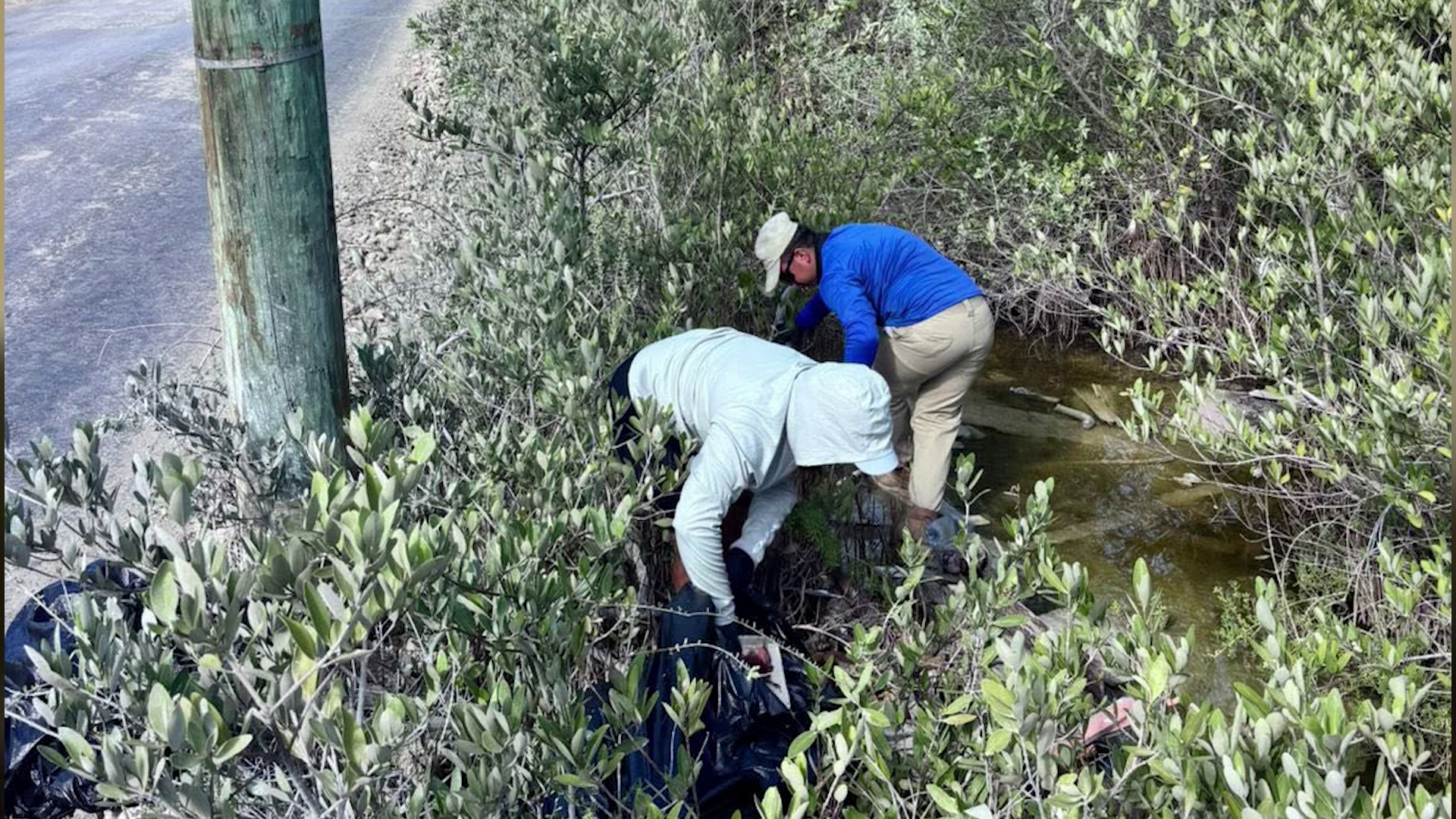
Belize is implementing sweeping updates to its national litter management regulations, aimed at curbing rampant improper waste disposal and protecting the country’s renowned natural ecosystems, with changes set to take effect following regulatory approval. The Department of the Environment (DOE) announced the reforms, which center on three key adjustments: expanding the pool of officials authorized to issue littering citations, extending the window for ticketing offenders after an incident, and drastically increasing financial penalties for violations.
Under the previous regulatory framework, authorized officers only had 48 hours from the moment a littering offense was observed to issue a formal ticket. Chief Environmental Officer Anthony Mai explained that this narrow timeframe created a critical loophole: violators would often avoid detection for just two days, after which legal action could no longer be taken. The amendment extends this enforcement window to 21 days, giving officers sufficient time to locate and cite offenders.
Penalty adjustments also mark a significant shift in the country’s approach to litter enforcement. Previously, individual violators faced a $100 fine, while corporate entities paid a maximum of $500. The new rules double the fine for individuals to $200, and push corporate fines up 300% to $2,000. For non-payment of citations, the amendments also increase daily late fees from the current $10 to between $20 and $25. If fines remain unpaid after 30 days, cases will be transferred to magistrate courts, where offenders can present justifications for their actions if they choose to contest the ticket.
In a first step toward rolling out the expanded enforcement model, nine new authorized officers have already been appointed in the Placencia area of Stann Creek District. Minister of Sustainable Development Orlando Habet formally confirmed the appointments earlier this week, with nominees selected in partnership with the Placencia Village Council. The cohort includes sitting village council members and engaged local community members, a choice designed to leverage on-the-ground knowledge of local waste issues. All appointments went through a full formal legal process, including review by the Attorney General’s Office and a two-week gazette publication before official authorization was granted.
DOE officials emphasize that stricter enforcement is only one component of the national strategy to reduce litter. To complement regulatory changes, the department is launching a nationwide public education campaign titled “Our Belize, Our Responsibility, Bin It.” The campaign will include visible outreach measures, such as installing new trash receptacles on all public transit routes across the country and placing large-scale anti-littering billboards in high-traffic areas to change public behavior long-term.
This reform comes as Belize, a nation heavily reliant on ecotourism, works to preserve its coastal and terrestrial natural spaces, which are core to both the national economy and local quality of life. Expanding enforcement authority to community members and local leaders is intended to create a more distributed, responsive monitoring system that can address littering in popular tourist and residential areas more effectively than a centralized team alone.