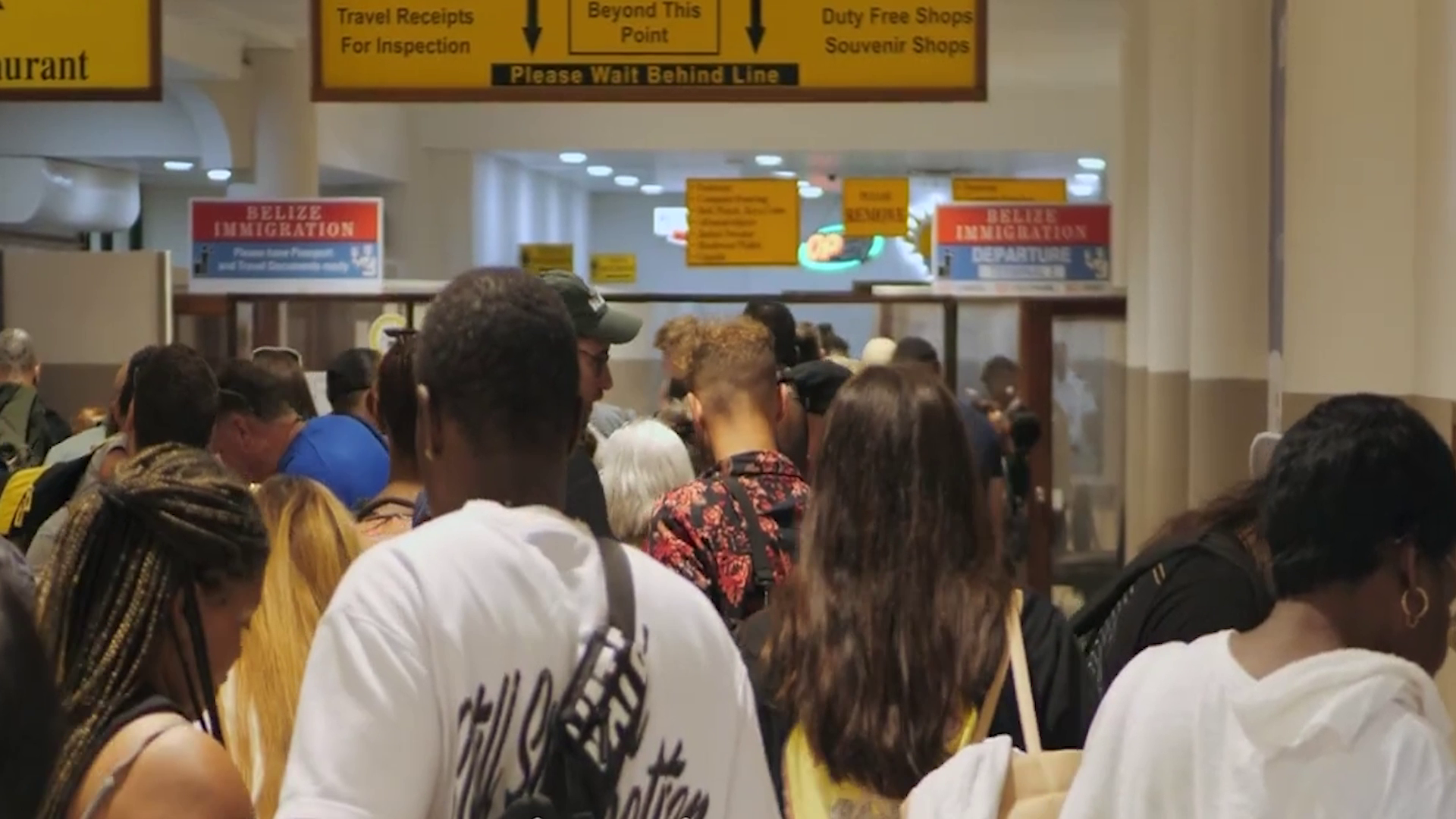
As a small Central American nation renowned for its Caribbean coastlines, ancient Mayan ruins and biodiverse rainforests, Belize has long carved out a niche as a premium travel destination — but that reputation for high-end travel has come with a catch: the country is already widely recognized as one of the more expensive vacation spots in the region. Now, a new policy implemented in early August 2026 is adding fresh uncertainty to Belize’s $1.8 billion tourism industry, which accounts for nearly 40% of the country’s gross domestic product and supports tens of thousands of local jobs.
The Belize Tourism Industry Association (BTIA), the leading advocacy group for the country’s travel and hospitality sector, has launched a public campaign opposing the newly introduced $10 per-flight aviation security fee, arguing the new charge will erode the nation’s ability to compete with neighboring travel destinations that already offer comparable experiences at lower price points.
In an official statement following the policy’s rollout, BTIA President Efren Perez stressed that any new cost added to travel at this moment poses an outsized threat to Belize’s tourism market. “I have to make it very clear that the BTIA is completely against any increases at this time, be it through taxes or this fee,” Perez said. “The reason for that is because Belize is relatively considered as a high priced destination. If you are looking at air fares coming from the U.S. market, it is not a cheap airfare you will get in most instances. So adding a ten dollars might seem like just ten dollars. But if you are looking at a family coming in, five, six people and on every leg they are paying that ten dollars it does accumulate.”
Beyond the impact on international tourists, Perez also highlighted that the new fee hits local residents just as hard. Domestic air travel is no longer a discretionary luxury for most Belizeans, he explained, noting that many locals rely on domestic flights to access remote communities, reach medical facilities, or travel for work. Like international visitors, local travelers are extremely price-sensitive, and the new added cost will strain household budgets across the country. Perez also pointed out that neighboring Mexico draws millions of international tourists each year by offering similar coastal, cultural and adventure experiences at a far lower total cost than Belize, making any price increase for Belize-based travel a dangerous competitive disadvantage.
Industry analysts note that Belize’s tourism sector has only recently fully recovered from the massive disruptions caused by the COVID-19 pandemic, when international border closures saw tourist arrivals plummet by more than 90% in 2020. With rising global inflation already putting pressure on travel budgets worldwide, the new fee could lead to potential visitors choosing cheaper regional alternatives over Belize, creating ripple effects across hotels, tour operators, local restaurants and small businesses that depend on tourism revenue. As of late August 2026, the Belizean government has not yet issued a formal response to the BTIA’s opposition to the new aviation security fee.