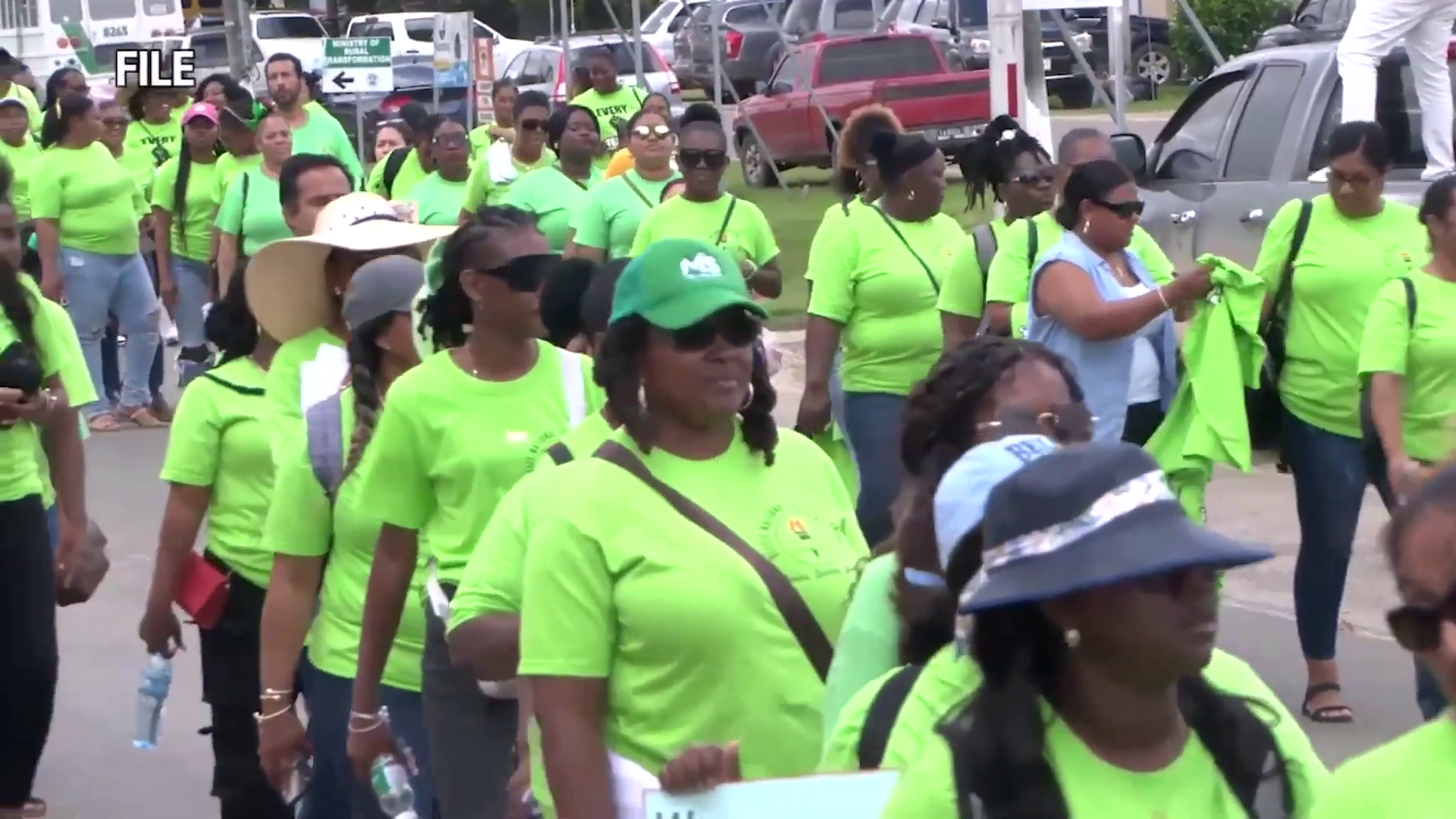
As the 2026 academic year approaches, educators across Belize are at the center of a growing labor dispute, with the country’s largest teachers’ organization demanding policy changes to address widespread educator burnout. The Belize National Teachers Union (BNTU) has publicly challenged the Ministry of Education’s requirement that educators attend mandatory professional training sessions during the August summer break, arguing the mandate erodes hard-won working conditions and pushes already overstretched teachers to their breaking point.
In a public statement delivered on August 19, 2026, BNTU President Nadia Caliz outlined the union’s core grievance: decades ago, Belizean educators enjoyed uninterrupted summer breaks spanning both July and August, but incremental changes to education policy have gradually chipped away at that time off. Today, most teachers only get partial time off in July, with August reserved for mandatory training, on-call duties, and pre-term administrative work that cuts into their scheduled rest.
Caliz emphasized that the current arrangement violates the agreements previous union leaders negotiated decades ago. Unlike many public sector workers, Belizean teachers are formally contracted to work 10 months out of the year, though most have opted to split their 10 months of salary into 12 equal monthly payments to receive consistent income during summer breaks. “That paid vacation time is not a gift — it is compensation for work we have already completed across the 10-month academic year,” Caliz explained. “We earned that time to rest, and we are demanding it back.”
The BNTU president noted that the public announcement comes as a surprise to education officials, as the union had not previously shared its formal demand with the Ministry of Education. Caliz pointed to a consistent pattern of increasing workloads that have left the country’s teaching force in crisis: educators are taking on more administrative responsibilities, more student support duties, and more professional development requirements each year, with no corresponding increase in compensation or time off to recover.
“Our teachers are burnt out, overworked, and chronically stressed,” Caliz said. “Continuing to pile on more requirements during what should be our break is unsustainable.”
To back its demand, the BNTU has issued a formal 90-day deadline for the Ministry of Education to revise the policy and restore a full uninterrupted August break for all educators. It remains unclear how the Ministry will respond to the union’s public call for change, and both education stakeholders and Belizean public are watching closely to see how the dispute will unfold ahead of the new school year.