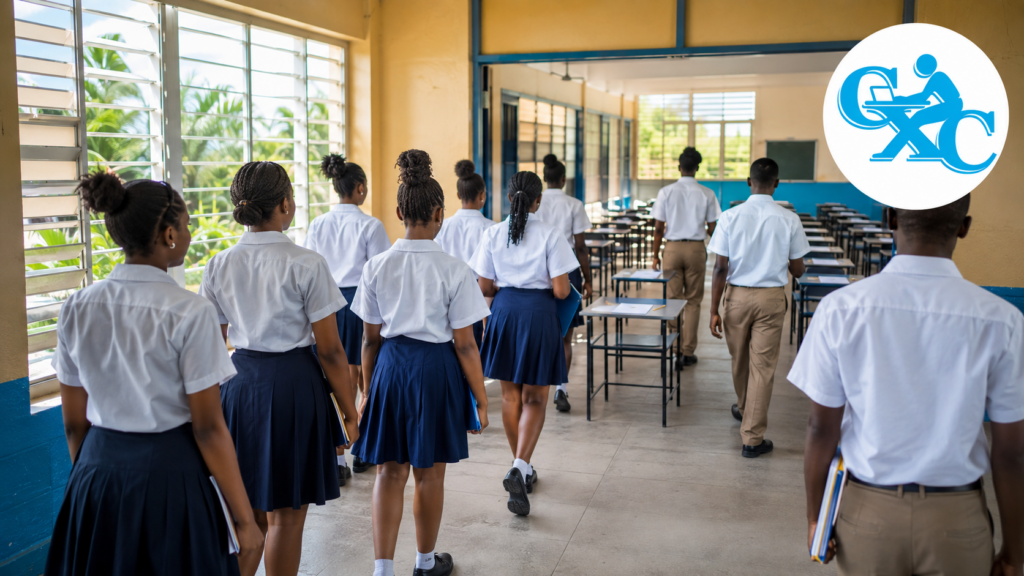
A newly released analysis of 2026 Caribbean regional examination data has confirmed a steadily widening gender participation gap across the education system, with male enrollment dropping sharply as students progress from early secondary schooling to advanced post-secondary assessments.
Data published by the Caribbean Examinations Council (CXC) lays bare the scale of the disparity: for the 2026 Caribbean Advanced Proficiency Examination (CAPE), the highest-level assessment offered by the council, women made up 62 percent of all registered candidates, leaving men accounting for just 38 percent of the total test-taking pool. At the Caribbean Secondary Education Certificate (CSEC) level, a qualification for students completing upper secondary school, the gap remains significant, with women representing 59 percent of candidates and men 41 percent.
Dr. Nicole Manning, CXC’s Director of Operations, outlined these findings during the official launch of the May–June 2026 examination results hosted in Anguilla on Tuesday. She emphasized that the imbalance is not present at the earliest stages of education: enrollment at the primary level remains nearly equal between boys and girls, and even in the first three years of secondary school, the divide remains narrow. For the Caribbean Certificate of Secondary Level Competence (CCSLC), which is typically taken by early secondary students, men actually hold a slight advantage, making up 52 percent of candidates compared to 48 percent for women.
This demographic breakdown confirms that the gender gap emerges and expands at later stages of the Caribbean education pipeline. Fewer boys continue their academic careers through upper secondary school and on to the advanced CAPE assessments required for university admission. Manning summed up the trend, noting “It gets less and less as you go higher.”
CXC has not pinpointed a single root cause for the shrinking male participation in advanced examinations, but the council is calling for urgent, coordinated action across the region’s education sector. Manning stressed that the ongoing trend demands targeted attention from education authorities across all Caribbean territories, and urged educators and policymakers to collaborate on two key goals: first, conducting a deeper, evidence-based investigation into the underlying factors driving male disengagement from advanced education, and second, implementing targeted strategies to keep boys invested in academic study as they progress through secondary school.
It is important to note that the published data only reflects the proportion of male and female candidates registered for the assessments, and does not include a comparison of pass or performance rates between the two groups.