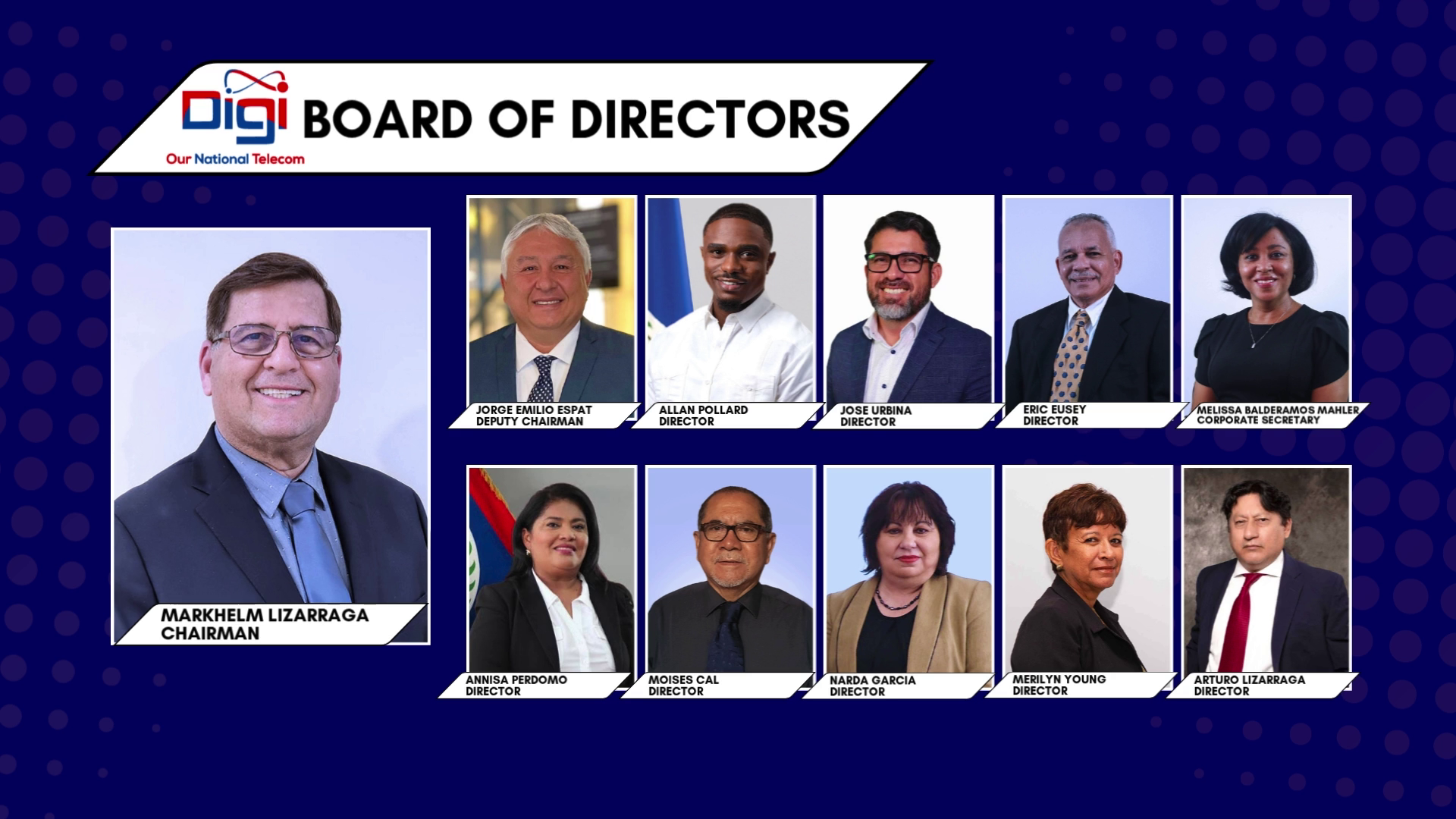
Belize’s apex labor body, the National Trade Union Congress of Belize (NTUCB), has issued a formal 90-day ultimatum to the Briceño administration, demanding the immediate establishment of a tripartite decision-making framework at national telecommunications provider Belize Telemedia Limited (BTL). Under the proposed structure, both NTUCB, representing worker interests, and the Belize Chamber of Commerce and Industry (BCCI), as the voice of the employer community, would earn permanent seats at the table where key governance decisions are made.
NTUCB President Ella Waight emphasized that this model of shared oversight is the only viable path to restore eroded public trust in the state-linked telecommunications company. Waight argued that as a publicly acknowledged Belizean-owned enterprise—an admission recently confirmed by BTL’s own chair—BTL has a fundamental obligation to center the voices of the people it serves in its leadership.
“The people’s telecommunication company must include the people in BTL,” Waight stated in remarks delivered as part of the announcement. “In BTL it is said by the Chairman, it is finally admitted that the company is owned by Belizeans. Then we say workers and the Belizeans must have a meaningful voice in its governance. We therefore call for what has been established at many companies and boards, the tripartite structure at BTL. The timeline is ninety days. It can be done. It has been done at Social Security Board, the University of Belize Board. Many boards in this country. It allows for accountability, transparency and once we have BCCI, the employer’s representative, the workers’ representative, NTUCB, we know we can gain back trust in these organizations.”
The tripartite governance model is not a new experiment in Belize’s public and quasi-public sectors, Waight noted, pointing to existing successful implementations at the country’s Social Security Board and University of Belize Board of Governors. These existing frameworks, she added, have already demonstrated the ability to strengthen institutional accountability and open up governance processes to broader input, proving the model can deliver the same benefits at BTL if implemented correctly.
This report is adapted from a transcribed evening television news broadcast, with original Kriol-language remarks standardized to a consistent spelling system where applicable.