Barbados is moving forward with a landmark $105.8 million initiative to reverse worsening coastal erosion across the island, with construction set to break ground before the end of 2025, Deputy Prime Minister and Minister of Environment Santia Bradshaw has confirmed. The Climate Resilient and Sustainable Integrated Coastal Zone Management Programme, the largest coastal protection investment in the country’s recent history, comes in response to accelerating land loss along the island’s shorelines, a crisis amplified by the severe damage inflicted by Hurricane Beryl in 2024.
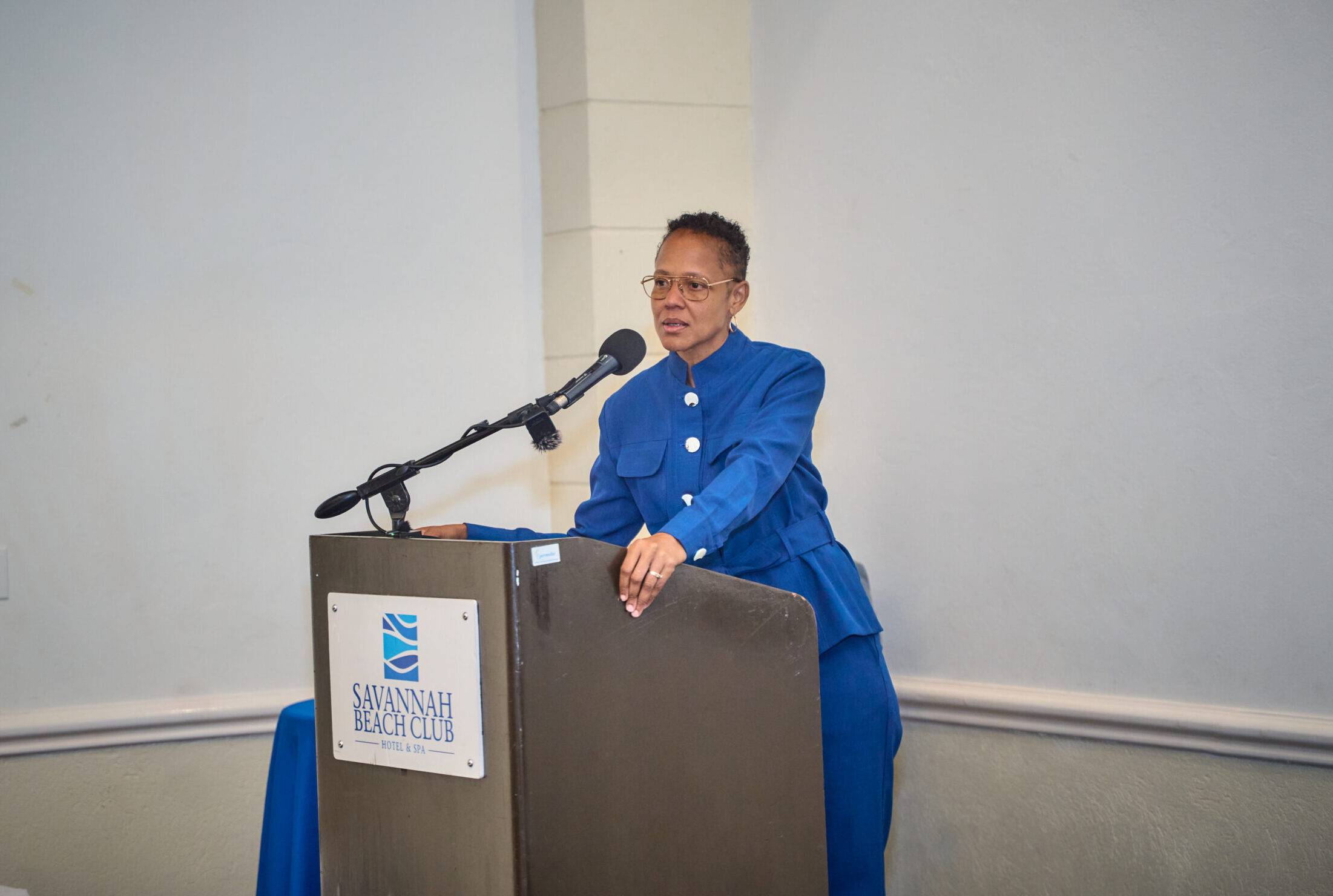
Funding for the multi-phase project is overwhelmingly supported by the Inter-American Development Bank, which is providing $100 million in concessionary financing, with the remaining $5.8 million coming from the Barbadian government as domestic counterpart funding. Bradshaw outlined the phased rollout of infrastructure and restoration work in a public announcement made during the closing ceremony of the 2026 Environmental Summer Internship Programme at the Savannah Hotel in Hastings, Christ Church.
The first phase of construction will target three high-priority erosion hotspots: Clinketts in the parish of St Lucy, Sand Street in St Peter, and the stretch of coastline running from Mullins to St Peter’s Bay. Work will then shift to Oistins Bay for the second phase, before the third and final initial phase covers the densely developed coastal corridor from Rockley Beach to St Lawrence Gap, a popular tourism and residential area. While Bradshaw noted that the island’s east coast is also facing severe erosion driven by constant, powerful Atlantic Ocean wave action, she did not unveil specific planned interventions for that region as part of the current programme.
Beyond physical construction, Bradshaw framed the initiative as a foundational investment in Barbados’ long-term social and economic stability, rather than a purely environmental project. The programme combines a suite of nature-friendly and engineered solutions to address erosion, including beach nourishment to restore lost sand, the construction of stabilizing coastal structures such as groins, revetments and breakwaters, and targeted upgrades to drainage systems in high-risk areas. These interventions are designed not only to halt erosion but also to protect coastal communities, critical road infrastructure, private and public properties, enhance public access to beaches, and reduce the hazard risks associated with future storm events.
In closing remarks to the cohort of environmental interns, Bradshaw emphasized that collective action across all segments of Barbadian society is required to tackle growing climate-driven environmental challenges. She encouraged the young participants to embrace environmental stewardship, noting that they represent the next generation of environmental leaders that the country will rely on to safeguard its future. “Protecting our coastline is not simply about protecting beaches…it is about protecting people, protecting homes, livelihoods, our economy, and the future resilience of Barbados,” Bradshaw told the group.