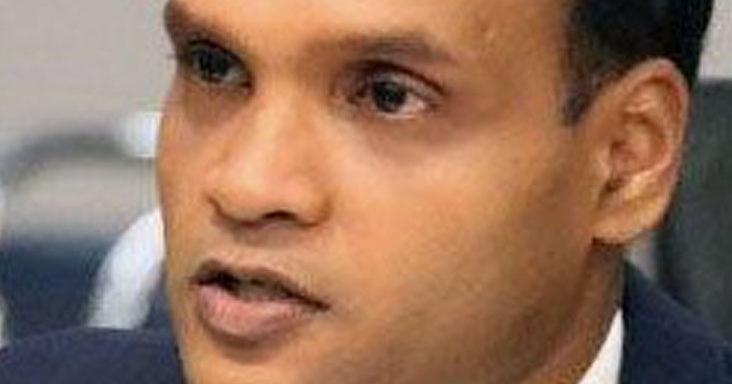
A high-stakes wage dispute is escalating at Trinidad and Tobago’s state-owned telecommunications provider Telecommunications Services of Trinidad and Tobago (TSTT), with Public Utilities Minister Barry Padarath drawing a firm line against pressure from the Communication Workers’ Union (CWU), rejecting claims that a 10% pay increase was ever under negotiation.
Speaking to local media outlet Express on Monday, Padarath emphasized that the government will not be coerced or intimidated by the union’s aggressive tactics, amid growing threats of industrial action ahead of a planned union action this week. The conflict comes on the heels of a landmark financial report for TSTT and its subsidiary Amplia Communications Ltd, which delivered the pair’s strongest annual earnings in 17 years. For the fiscal year ending March 31, 2026, the group posted an after-tax net profit of $214 million, marking a 103% jump from the $106 million profit recorded in the 2025 fiscal year.
Padarath credited the current United National Congress (UNC) administration’s strategic overhauls for the financial turnaround, noting that the improvement was no accidental stroke of good fortune. “We’ve been changing the management model, the strategies from within the company, looking for new areas of investment and also managing the debt portfolio of the company,” he explained. While he acknowledged the union’s mandate to advocate for its members’ financial interests, he warned against short-sighted demands that put the company’s long-term viability at risk. “It cannot be a situation where we live for today and let tomorrow see about itself. It has to be that we think long term,” Padarath said, adding that sustainable profitability is critical to protecting long-term employment for TSTT workers across Trinidad and Tobago. He reaffirmed that at no point has a 10% wage increase been proposed during negotiations, calling claims to the contrary deliberately misleading.
The dispute escalated late last week, after TSTT warned the CWU that any industrial action targeting the firm would violate the Industrial Relations Act. As a classified essential service, telecommunications is barred from work stoppages that would disrupt public access to critical infrastructure. But CWU Secretary General Joanne Ogeer pushed back against the warning, asserting the union would act within the bounds of the law and declaring “heads will roll come Wednesday.”
Beyond the TSTT conflict, Padarath also addressed an ongoing wage impasse at the Water and Sewerage Authority (WASA), where the Public Services Association (PSA) has raised public frustration over the slow pace of negotiations, missing cost documentation, and broken communication with the ministry. Padarath stressed that the UNC-led government, which has roots in the national labour movement, remains fully committed to upholding worker rights and resolving the dispute. He framed the current impasse as a procedural and communication breakdown, not a refusal to honour agreed terms, noting “we have not reneged from any of our agreements with the PSA. Instead, we are working out the details.” He gave a formal assurance that all outstanding issues would be resolved quickly, adding that the disagreements over process can be addressed through collaborative dialogue.
The minister also launched a sharp rebuke of opposition MP Marvin Gonzales of the People’s National Movement (PNM), who last Friday called on the government to immediately order WASA to issue retroactive wage increases to workers, blaming both the UNC government and PSA leadership for the impasse and failing the authority’s workers. Padarath accused Gonzales of exploiting the labour dispute for cheap political gain, saying the opposition was hoping to capitalize on worker frustration to boost their electoral prospects. He dismissed Gonzales as a cowardly politician seeking only soundbites, contrasting the opposition’s approach with the UNC administration’s focus on tangible, long-term solutions. “That is not the policy of a United National Congress administration led by the Honourable Kamla Persad-Bissessar. Instead, we are looking for real tangible solutions and to bring a resolution, a quick resolution to this matter,” he said.
Padarath also hit back at the PNM’s legacy at WASA, noting that he inherited a deeply dysfunctional organization after 10 years of PNM rule. While he admitted significant work remains to fix the agency, he pointed to major progress made in just one year of UNC leadership. “I inherited a mess at the organisation. And what they failed to do in ten years, we have made a lot of advancements in the one year that we have been there. But obviously, there’s a lot more to be done,” Padarath said, committing to continue addressing the issue responsibly rather than engaging in what he called the opposition’s “foolishness.”